Trump's Iran Strategy: Complete Guide 2026
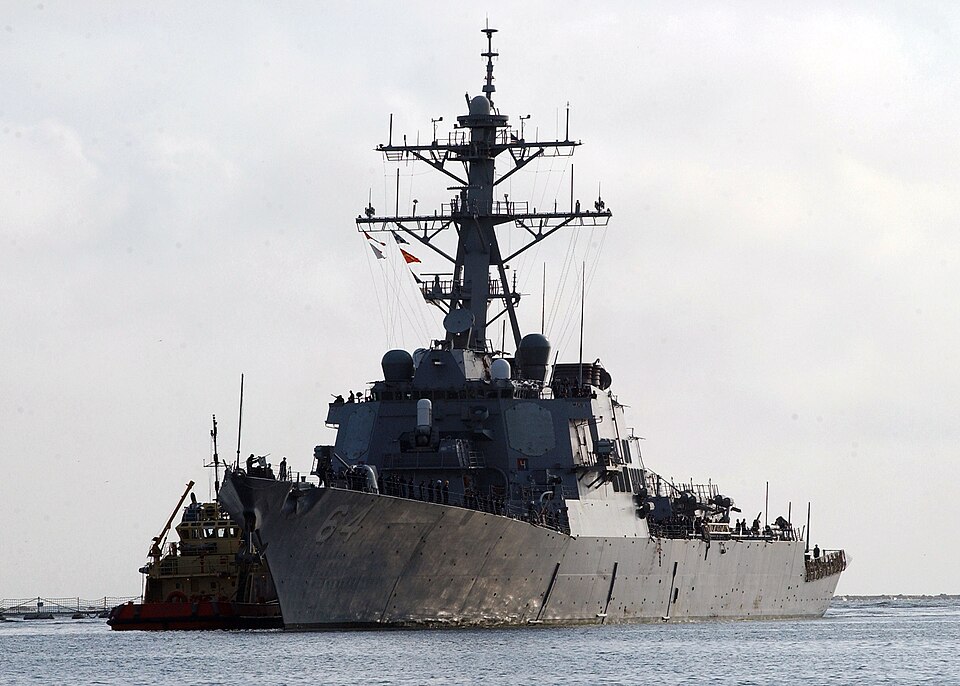
The oil tanker *Al-Shaheed* sits motionless in the Strait of Hormuz, its hull gleaming under the Persian Gulf sun. Captain Mohammad Reza checks his instruments again—twenty nautical miles of open water separate him from international shipping lanes, but the American destroyer on his radar screen might as well be a brick wall. For the third time this month, Iranian oil bound for China will turn back to Bandar Abbas, another casualty of what Trump calls his "maximum pressure 2.0" campaign.
This single encounter between ship and warship represents the sharp edge of America's most complex foreign policy challenge. Behind Captain Reza's forced retreat lies a vast machinery of sanctions, military positioning, and diplomatic maneuvering that touches every American's wallet through gas prices, shapes global energy markets worth $2.1 trillion annually, and could determine whether the Middle East slides toward another devastating war.
Trump's return to the presidency has revived his signature Iran strategy, but the landscape has shifted dramatically since 2021. Iran now enriches uranium to 84% purity—a whisker away from weapons-grade material. The Islamic Republic's "axis of resistance" spans from Yemen's Houthis to Lebanon's Hezbollah, battle-tested after years of regional proxy conflicts. Meanwhile, China's economic partnership with Iran has deepened, creating new challenges for American sanctions enforcement.
Understanding this strategy isn't academic—it's personal. The success or failure of Trump's Iran policy will determine whether Americans pay $3 or $6 per gallon at gas stations, whether Israel feels secure enough to avoid preemptive strikes that could ignite regional war, and whether Iran develops nuclear weapons that fundamentally alter Middle Eastern power dynamics for generations.
Maximum Pressure: What Trump's Iran Policy Actually Means
Trump's "maximum pressure" campaign operates on a deceptively simple premise: economic strangulation will force Iran to abandon its nuclear program, end support for regional proxies, and accept American terms for a new nuclear agreement. Secretary of State Marco Rubio calls it "peace through economic strength," but the policy's actual mechanics reveal layers of complexity that extend far beyond traditional sanctions.
The Washington Institute for Near East Policy defines maximum pressure as "coordinated economic, diplomatic, and military measures designed to isolate Iran's economy while maintaining deterrence against military escalation." This definition captures the policy's dual nature—it seeks to avoid war while positioning military force as the ultimate backstop.
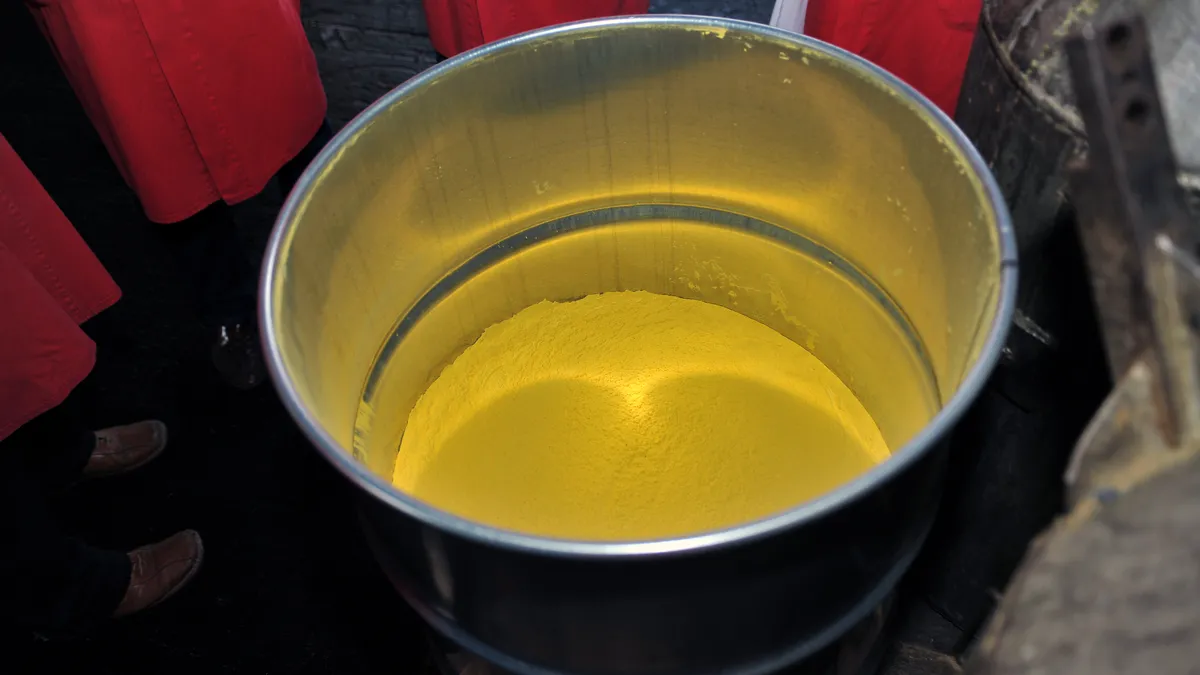
Unlike his first term, Trump now faces an Iran with significantly enhanced capabilities. The Institute for Science and International Security reports Iran's uranium stockpile exceeds 5,500 kilograms of enriched uranium, with approximately 142 kilograms enriched to 84% purity. For context, nuclear weapons typically require 90% enrichment, meaning Iran has crossed what nuclear analysts call the "technical threshold" for weapons capability.
Brian Hook, Trump's special representative for Iran policy, argues this progression validates the maximum pressure approach. "Iran's nuclear advances prove that accommodation fails," Hook told the Senate Foreign Relations Committee in February 2026. "Only sustained economic pressure coupled with credible military deterrence can reverse these gains."
But critics note a fundamental contradiction. The Brookings Institution's analysis suggests maximum pressure may have accelerated Iran's nuclear timeline rather than slowing it. Between 2018 and 2021, Iran's uranium stockpile increased fifteenfold while its enrichment capabilities expanded dramatically. The policy succeeded in crippling Iran's economy—GDP contracted by approximately 10% between 2018 and 2020—but failed to halt nuclear advancement.
The current version of maximum pressure incorporates lessons from this mixed record. Rather than focusing solely on oil exports, the strategy now targets Iran's entire financial ecosystem. The Treasury Department's Office of Foreign Assets Control has designated over 1,500 Iranian individuals and entities since Trump's return to office, creating what RAND Corporation analysts describe as a "sanctions web" designed to catch third-party enablers.
The policy's scope extends beyond economics. Maximum pressure 2.0 includes what Pentagon officials term "persistent engagement"—continuous military presence in the Persian Gulf designed to signal American resolve while avoiding direct confrontation. The USS *Gerald R. Ford* carrier strike group maintains station in the Arabian Sea, while Air Force B-52 bombers conduct regular overflights from bases in Qatar and the UAE.
Diplomatically, maximum pressure seeks to isolate Iran through what the State Department calls "coalition building." This effort has achieved mixed results. European allies remain skeptical after Trump's 2018 withdrawal from the Joint Comprehensive Plan of Action (JCPOA) disrupted their economic relationships with Iran. However, Abraham Accords signatories—the UAE, Bahrain, Morocco, and Sudan—have generally supported tighter Iran restrictions, seeing them as protection against Iranian regional influence.
The strategy's underlying assumption remains contentious: that economic pressure will eventually force political change in Tehran. Historical precedent offers limited guidance. South Africa's apartheid regime eventually succumbed to international sanctions, but Cuba has weathered American economic pressure for over six decades. Iran's theocratic system may prove more resilient than maximum pressure advocates assume.
The Sanctions Architecture: How It Works
The sanctions targeting Iran represent the most complex economic warfare campaign in modern American history. Understanding this architecture requires examining three distinct layers: primary sanctions that restrict American entities, secondary sanctions that threaten third-party actors, and tertiary measures that target Iran's financial infrastructure itself.
Primary sanctions form the foundation. These measures, codified in multiple laws including the Iran Sanctions Act of 1996 and the Comprehensive Iran Sanctions Act of 2010, prohibit virtually all American economic activity with Iran. The Treasury Department's current list of designated Iranian entities spans 847 pages and includes banks, shipping companies, insurance firms, and manufacturing concerns.
But primary sanctions alone would have limited impact—American-Iranian trade volume was already minimal before 2018. The real power lies in secondary sanctions, which threaten non-American entities with exclusion from the U.S. financial system if they engage with Iran. This mechanism leverages the dollar's role as the global reserve currency and America's central position in international banking.
The SWIFT financial messaging system provides a concrete example. When the Treasury Department pressures SWIFT to disconnect Iranian banks, it effectively severs those institutions from international commerce. Iranian banks cannot process international payments, receive trade financing, or conduct foreign exchange transactions. The impact ripples through Iran's entire economy within weeks.
Energy sanctions represent the policy's most powerful component. The Energy Department estimates Iran's oil production capacity at approximately 3.8 million barrels per day, but current exports hover around 1.2 million barrels daily due to sanctions enforcement. The missing 2.6 million barrels represent roughly $140 million in lost daily revenue at current prices—over $50 billion annually.
However, sanctions enforcement faces significant challenges. China remains Iran's largest oil customer, importing an estimated 800,000 barrels daily despite American restrictions. Chinese companies use sophisticated methods to obscure these transactions: ship-to-ship transfers in international waters, falsified cargo manifests, and payments through alternative banking networks that bypass traditional dollar-denominated systems.
The Treasury Department's response involves what officials call "whack-a-mole" enforcement. When investigators identify sanctions-busting networks, they add new designations to close discovered loopholes. Since January 2026, OFAC has designated 127 Chinese entities for Iran-related violations, but new networks emerge faster than existing ones can be dismantled.
Iran has developed counter-strategies that exploit sanctions architecture weaknesses. The Central Bank of Iran now operates shadow banking networks through front companies in Dubai, Istanbul, and Hong Kong. These networks use cryptocurrency, barter arrangements, and informal value transfer systems that exist outside traditional banking oversight.
The Islamic Revolutionary Guard Corps has created its own parallel economy designed specifically to circumvent sanctions. Intelligence analysts estimate the IRGC controls approximately 30% of Iran's economy through a network of ostensibly private companies that handle everything from construction contracts to oil exports. Because many IRGC economic activities occur through intermediaries, sanctions enforcement becomes exponentially more difficult.
Regional financial hubs complicate enforcement efforts. Dubai's banking sector processes an estimated $15 billion in Iran-related transactions annually through methods that technically comply with sanctions while enabling substantial commerce. Turkish banks facilitate trade through complex swap arrangements that avoid direct dollar transactions. Lebanese financial institutions provide services to Iranian clients through correspondent banking relationships that obscure beneficial ownership.
The sanctions architecture also faces technological challenges. Iran has invested heavily in cryptocurrency infrastructure, blockchain technology, and digital payment systems designed to operate independently of Western financial networks. The Central Bank of Iran launched a digital rial pilot program in 2025, potentially creating a sanctions-resistant payment method for domestic and regional transactions.
Measuring sanctions effectiveness requires examining multiple metrics beyond simple trade volumes. The International Monetary Fund estimates sanctions have reduced Iran's GDP by approximately 15% compared to pre-2018 levels. Inflation reached 52% in 2025, while unemployment among young Iranians exceeds 30%. These numbers suggest significant economic damage, but the crucial question remains whether economic pressure translates into policy changes.
Military Options on the Table
The Pentagon's updated military plans for Iran reflect hard lessons learned from two decades of Middle Eastern conflicts. Defense Secretary Pete Hegseth has emphasized that any military action must achieve decisive objectives quickly while avoiding the prolonged occupations that characterized Iraq and Afghanistan. This strategic shift has produced a menu of military options ranging from limited strikes to comprehensive campaign plans.
The most discussed option involves targeted strikes against Iran's nuclear infrastructure. The Defense Department maintains detailed targeting packages for facilities including the Natanz enrichment complex, the Fordow underground facility, and the Arak heavy-water reactor. Military planners estimate that a coordinated air campaign using B-2 stealth bombers, ship-launched cruise missiles, and Israeli cooperation could set back Iran's nuclear program by 3-5 years.
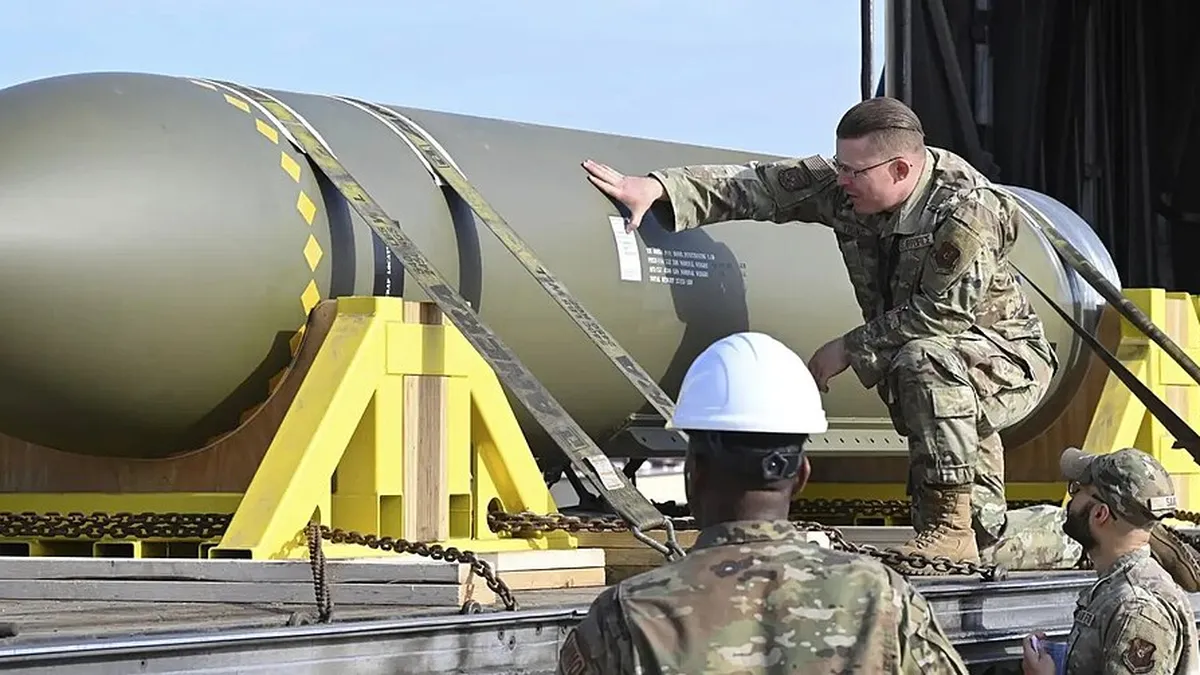
However, nuclear facilities present unique targeting challenges. Many key installations are buried under mountains or protected by multiple layers of air defenses. The Fordow facility sits 90 meters underground, requiring specialized bunker-busting munitions that only the United States possesses. Intelligence assessments suggest that while military action could significantly damage Iran's nuclear infrastructure, it cannot permanently eliminate nuclear knowledge or capabilities.
The Institute for the Study of War has analyzed Iran's integrated air defense system, which includes Russian-supplied S-300 missiles, domestically produced systems, and mobile platforms designed to survive initial strikes. While American stealth aircraft could penetrate these defenses, the campaign would likely require sustained operations over several weeks to achieve comprehensive suppression.
Naval operations represent another major component of military planning. The U.S. Fifth Fleet maintains continuous presence in the Persian Gulf with approximately 20,000 personnel and 40 vessels. This force can implement what Navy officials call "maritime pressure campaigns"—boarding Iranian vessels, intercepting arms shipments, and enforcing exclusion zones around key facilities.
The Strait of Hormuz remains the ultimate pressure point. Approximately 21% of global petroleum liquids pass through this 21-mile-wide waterway daily, making it perhaps the world's most critical energy chokepoint. Iran has repeatedly threatened to close the strait during periods of heightened tension, prompting detailed American contingency plans to keep it open through military force if necessary.
Iran's asymmetric capabilities complicate American military planning significantly. The Islamic Revolutionary Guard Corps Navy operates over 1,000 small boats capable of swarming attacks against larger vessels. These craft carry anti-ship missiles, torpedoes, and explosive devices designed for suicide missions. During the 2019 tanker attacks, similar tactics proved capable of disrupting international shipping even without direct military confrontation.
Iranian proxy forces multiply these asymmetric threats across the region. Hezbollah in Lebanon possesses an estimated 150,000 rockets and missiles capable of saturating Israeli population centers. Houthi forces in Yemen have demonstrated the ability to strike targets in Saudi Arabia and the UAE using Iranian-supplied drones and missiles. Iraqi Shia militias maintain positions near American bases and diplomatic facilities throughout Iraq.
Military analysts describe this as the "escalation ladder problem." Limited American strikes could prompt Iranian retaliation through proxy forces, potentially drawing Israel into conflict and creating regional conflagration that exceeds the original military objectives. The Pentagon's war games consistently show that contained military action against Iran is extremely difficult to achieve in practice.
Cyber warfare represents a parallel domain of military competition. Iran has developed sophisticated cyber capabilities since the 2010 Stuxnet attack on its nuclear facilities. Iranian hackers have successfully penetrated American infrastructure targets including power grids, water treatment facilities, and financial institutions. Any military confrontation would likely include extensive cyber operations from both sides.
The Abraham Accords have created new military cooperation opportunities that complicate Iran's strategic calculations. The UAE and Bahrain now host American forces explicitly positioned to counter Iranian threats. Israeli military technology flows more freely to Gulf partners, while intelligence sharing has expanded significantly. This cooperation creates what Pentagon officials term "defensive depth" that makes Iranian regional operations more costly and complex.
Special operations represent perhaps the most realistic military option for sustained pressure campaigns. American special forces can target Iranian proxy networks, interdict weapons shipments, and conduct precision strikes against IRGC leadership without triggering full-scale conflict. However, these operations carry significant escalation risks if American personnel are captured or killed.
But here's what most analysts are missing: Iran's nuclear timeline may be forcing American military planning toward much shorter decision windows than previous assessments assumed. If Iran moves to weaponize its highly enriched uranium, the military options available to prevent nuclear capability could shrink to weeks rather than months.
The Diplomatic Track: Back Channels and Talks
Despite public hostility, American and Iranian officials maintain multiple diplomatic channels that operate beneath the radar of media attention and political rhetoric. These back-channel communications serve crucial functions: preventing incidents from escalating into military conflict, managing prisoner exchanges, and exploring potential areas for future negotiation.
The Swiss Embassy in Tehran serves as the primary formal channel for American-Iranian communication. Swiss diplomats have facilitated hundreds of messages between Washington and Tehran since diplomatic relations were severed in 1980. During Trump's previous presidency, Swiss intermediaries helped arrange prisoner swaps and communicated American military intentions during moments of heightened tension.
Oman has emerged as the most significant informal mediator. Sultan Haitham bin Tariq maintains relationships with both American and Iranian leadership, providing a neutral venue for sensitive discussions. The Omani foreign ministry facilitated the secret negotiations that eventually produced the 2015 nuclear agreement, and current Sultan maintains this tradition despite regional pressure to align more closely with Saudi Arabia and the UAE.
European allies, particularly France and Germany, continue pursuing independent diplomatic initiatives despite American skepticism. President Emmanuel Macron has maintained direct communication with Iranian President Masoud Pezeshkian, arguing that European engagement provides Washington with valuable intelligence about Iranian positions while keeping diplomatic options open.
The United Nations provides another venue for informal contact. Iranian and American representatives regularly interact during Security Council meetings, General Assembly sessions, and various multilateral conferences. While these encounters rarely produce substantive agreements, they allow officials to communicate positions and gauge intentions without formal diplomatic commitments.
Qatar's role has become increasingly important following its successful mediation of Hamas-Israel prisoner exchanges. Qatari officials have invested significant diplomatic capital in maintaining relationships across Middle Eastern divides, positioning Doha as a potential venue for future American-Iranian talks. The Qatari foreign ministry has quietly explored whether the prisoner exchange model could apply to broader American-Iranian tensions.
Russia and China maintain separate diplomatic tracks with Iran that sometimes intersect with American interests. Russian officials regularly brief their American counterparts on Iranian positions regarding nuclear issues, while Chinese diplomats provide insights into Iranian economic priorities. These conversations don't represent formal coordination, but they create opportunities for indirect communication and signal-sending.
Intelligence channels operate parallel to diplomatic ones. The CIA and Iran's Ministry of Intelligence Services maintain limited contact through third-party services, primarily focused on counterterrorism cooperation against ISIS and other mutual threats. These relationships proved valuable during the campaign against ISIS in Iraq and Syria, when American and Iranian forces operated in the same theater without direct coordination.
Academic and business conferences provide "Track Two" diplomatic opportunities where former officials, scholars, and business leaders can explore ideas without official commitment. The Atlantic Council, Carnegie Endowment, and similar institutions regularly host events that bring together American and Iranian participants for off-the-record discussions.
However, domestic political constraints limit diplomatic flexibility for both sides. Trump faces pressure from Congressional Republicans who view any Iran engagement as appeasement, while Iranian hardliners criticize President Pezeshkian for any perceived concessions to American demands. These political dynamics force negotiators to operate within extremely narrow parameters.
The prisoner issue illustrates both diplomatic possibilities and limitations. Since 2019, American and Iranian officials have successfully arranged multiple prisoner exchanges involving dozens of individuals from both countries. These arrangements require extensive behind-the-scenes negotiation, demonstrating that both sides can reach agreements when motivated by humanitarian concerns and domestic political pressure.
Iran's negotiating position has evolved significantly since Trump's first presidency. Iranian officials now argue that American withdrawal from the JCPOA demonstrated that Washington cannot be trusted to honor long-term agreements, making any future deal contingent on stronger enforcement mechanisms and European guarantees. This position creates substantial obstacles for American negotiators who cannot commit future administrations to specific policies.
The nuclear issue remains central to any potential diplomatic breakthrough. Iran currently enriches uranium to 84% purity—technically capable of weapons-grade enrichment but still short of actual weaponization. This position gives Iran significant leverage in potential negotiations while maintaining plausible deniability about weapons intentions.
Regional issues complicate nuclear negotiations substantially. Iran demands that any nuclear agreement address its security concerns regarding Israeli military capabilities, American troop presence in neighboring countries, and sanctions relief that extends beyond nuclear-related measures. American negotiators reject linking nuclear compliance to broader regional questions, creating fundamental disagreement about negotiating scope.
Time pressures affect diplomatic calculations for both sides. Iran's nuclear advances create urgency for American officials who want to prevent weaponization, while economic sanctions create pressure for Iranian officials to achieve relief for domestic constituencies. However, these same time pressures can encourage brinkmanship that makes negotiated solutions more difficult to achieve.