
Why Iran Called US Talks 'Illegal War' Defense
As delegations meet in Islamabad, Iran's framing reveals negotiation strategy that could reshape Middle East diplomacy
ISLAMABAD — Ambassador Reza Amiri Moghadam stood before cameras outside Pakistan's Foreign Ministry this morning, his words carefully chosen. The Iranian envoy to Islamabad had just watched American and Iranian negotiators file into separate conference rooms, yet his message was anything but diplomatic courtesy.
"It remains to be seen whether the US honours the mediation efforts of the host," Moghadam said, adding that Tehran views these talks as a chance to "end an illegal war against the Iranian nation."
That framing — Iran as victim, America as aggressor — reveals everything about how Tehran plans to approach these negotiations.
Pakistan's Delicate Balancing Act
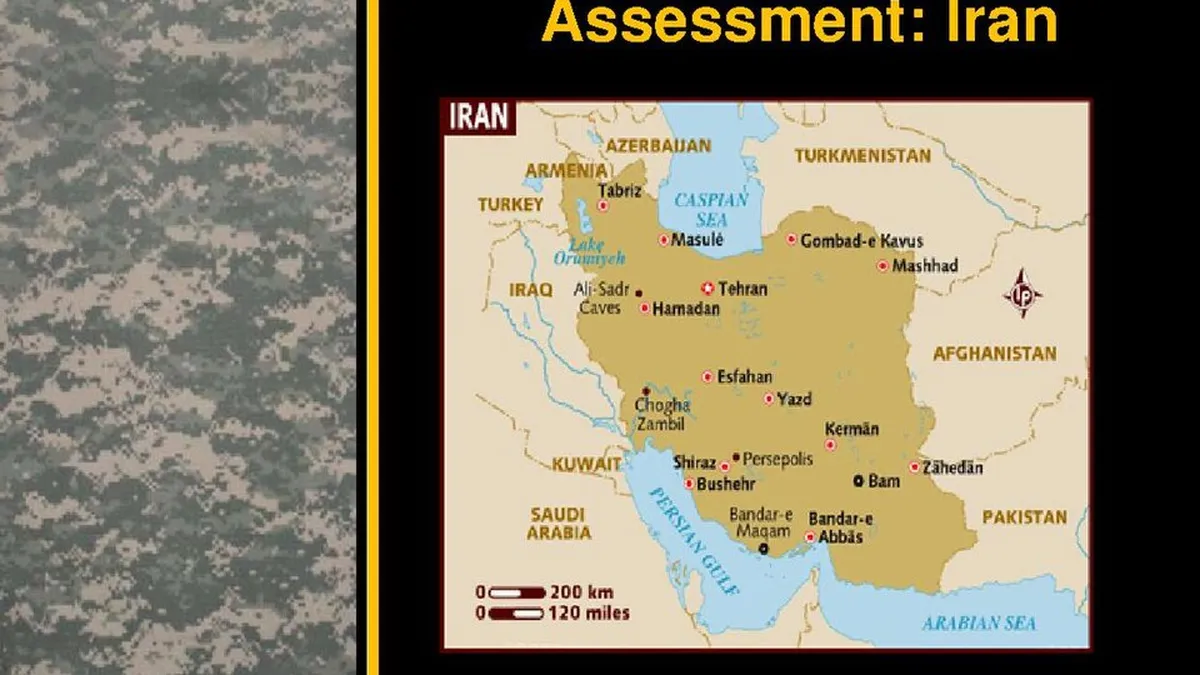
Islamabad's decision to host these talks places Pakistan in an extraordinarily sensitive position. The country maintains defense partnerships with Washington while sharing a 900-kilometer border with Iran. Prime Minister Shehbaz Sharif's government sees successful mediation as a path to international relevance, but failure could expose Pakistan to pressure from both sides.
"Pakistan is betting its diplomatic credibility on these talks," said Michael Singh, senior fellow at the Washington Institute for Near East Policy. "Islamabad needs a win to demonstrate it can be a constructive player in regional security."
The choice of venue itself sends signals. Unlike previous US-Iran diplomatic encounters in Vienna or Geneva, Islamabad represents neutral ground with skin in the game — Pakistan cannot afford regional war on its doorstep.
Iran's Victim Narrative Strategy
Moghadam's "illegal war" language reflects Iran's broader strategy of moral positioning. By casting American sanctions and military pressure as warfare, Tehran aims to shift blame while appearing reasonable in seeking dialogue.
This framing serves multiple audiences. Domestically, it allows Iranian leadership to engage with America without appearing weak. Internationally, it positions Iran as the party seeking peace while America maintains "aggression."
The timing matters crucially. These talks occur as Iran faces mounting economic pressure but growing regional influence through proxy networks. Tehran enters negotiations from a position of tactical strength but strategic vulnerability.
What's Really at Stake
Behind closed doors, negotiators face fundamental questions that extend far beyond bilateral relations. Iran's nuclear program remains the core issue, but regional proxy conflicts, sanctions relief, and security guarantees form an interconnected web of challenges.
"These aren't just US-Iran talks," noted Barbara Slavin, director of the Future of Iran Initiative at the Atlantic Council. "Every agreement or breakdown ripples across Syria, Iraq, Lebanon, and Yemen. Pakistan knows this, which is why they're invested in success."
The economic dimensions cannot be ignored. Iran's economy has contracted under sanctions, while regional instability affects global energy markets. Success here could unlock billions in frozen assets while failure might trigger renewed escalation.
The Trust Deficit Challenge
Moghadam's immediate questioning of American "good faith" reveals the fundamental challenge facing negotiators. Both sides enter with decades of grievances and broken promises shadowing every proposal.
President Trump's withdrawal from the 2015 nuclear deal created lasting Iranian skepticism about American reliability. Meanwhile, Washington remains suspicious of Iranian intentions regarding nuclear weapons development and regional proxy activities.
Pakistan's role becomes crucial in bridging this trust gap. As a country that has worked with both sides, Islamabad can offer perspectives neither Washington nor Tehran might accept from each other directly.
What Comes Next
The success of these talks depends less on specific agreements than on whether both sides can establish a framework for ongoing dialogue. Iran's "illegal war" framing suggests Tehran wants dramatic gestures — perhaps sanctions relief or security guarantees — rather than incremental steps.
Watch for three key indicators in coming days: whether talks extend beyond initial scheduled sessions, whether additional technical experts join delegations, and whether either side begins preparing domestic audiences for potential compromises.
The stakes extend beyond US-Iran relations. Regional allies from Israel to Saudi Arabia are watching closely, while global markets remain sensitive to Middle East stability. Pakistan has positioned itself as the mediator that could unlock regional peace — or bear responsibility for diplomatic failure.
Discussion