Trump's NATO Rift Deepens Over Iran War Support
Alliance fractures as President demands military backing for Middle East operations while Ukraine aid hangs in balance
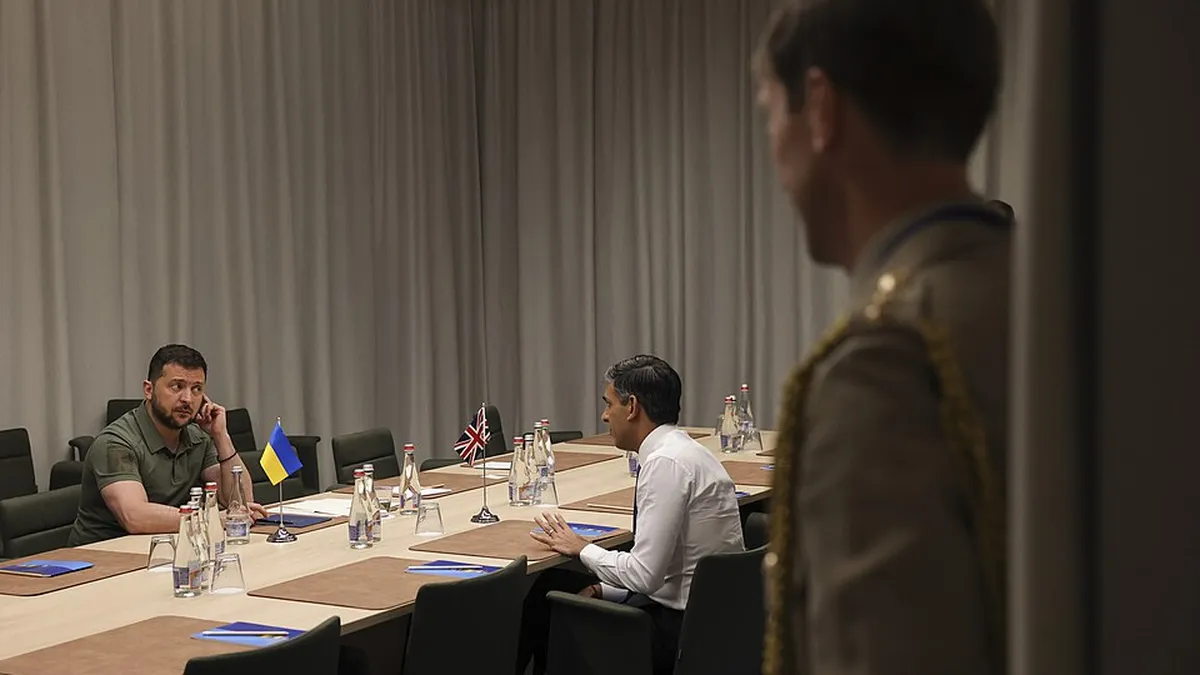
LONDON — Ambassador Henrik Larsen sat in silence as President Trump's voice echoed through the NATO headquarters conference room last Tuesday. For thirty minutes, the Danish envoy listened as Washington's demands grew more explicit: Europe must provide military support for U.S. operations against Iran, or face consequences for the alliance itself.
What's happening
• Trump publicly criticized NATO for refusing to back U.S. Iran operations
• Tense White House meeting with Secretary General Mark Rutte this week
• Ukraine security guarantees stalled as interceptor missiles diverted to Middle East
• Congressional Democrats questioning Kushner and Witkoff's diplomatic roles
Why it matters
• NATO's credibility faces its gravest test since Afghanistan withdrawal
• European defense spending could surge as alliance solidarity fractures
• Ukraine's battlefield position weakens without promised Western security guarantees
⬇ Full breakdown below
The Alliance Breaks Down
The confrontation represents the sharpest divide between Washington and European capitals since the 2003 Iraq invasion. Trump's Iran campaign has consumed critical air defense systems originally earmarked for Eastern Europe, leaving NATO scrambling to fulfill security commitments made to Kyiv during last year's peace negotiations.
"We're seeing a fundamental rewiring of transatlantic priorities," said Michael Kofman, a senior fellow at the Carnegie Endowment. "Trump is essentially asking Europe to choose between supporting his Middle East agenda or maintaining collective defense principles."
The President's frustration boiled over during Wednesday's Oval Office meeting with Rutte, where sources described "raised voices" and "fundamental disagreements" over Article 5 obligations.
Ukraine Pays the Price
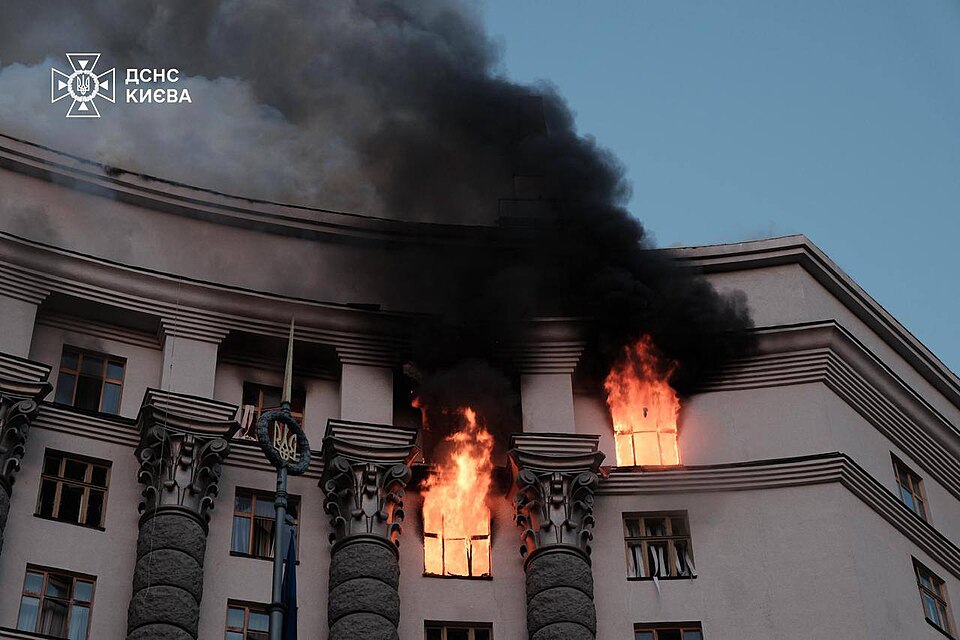
Behind closed doors, the real casualty is Ukraine. Interceptor missiles promised to Kyiv have been redirected to U.S. bases in the Persian Gulf, while diplomatic resources originally focused on implementing Ukraine's security framework now manage Iran crisis communications.
Senator Mark Kelly's weekend criticism of Jared Kushner and Steve Witkoff's involvement reflects broader congressional unease about Middle East policy overtaking European commitments.
"Every Patriot battery sent to defend oil tankers is one less protecting Ukrainian civilians," a senior State Department official told me on condition of anonymity. "The President's Iran focus is hollowing out our Ukraine strategy."
European Resistance Hardens
European capitals are pushing back with unprecedented unity. France, Germany, and Britain have privately agreed to resist any NATO Article 5 invocation related to Iran operations, viewing Trump's Middle East campaign as offensive rather than defensive.
The divide exposes competing strategic visions. Trump sees Iran as an existential threat requiring alliance-wide response. Europeans view it as American overreach that risks dragging them into unwanted conflict while abandoning Ukraine.
What Comes Next
The next 30 days will determine whether NATO survives this crisis intact. Rutte has scheduled emergency consultations with alliance members ahead of next month's Brussels summit, where Trump is expected to demand concrete military commitments.
Watch for European defense spending announcements as capitals hedge against alliance breakdown. If Germany increases its defense budget beyond current targets, expect other NATO members to follow suit as they prepare for a more fractured security environment.
The Iran war was supposed to demonstrate American strength. Instead, it's revealing how quickly decades of alliance building can unravel when core members disagree on fundamental threats.


Discussion