
Trump's Europe Troop Cut Eyes Iran Pressure
President considers reducing NATO forces to fund Middle East buildup as Tehran nuclear talks stall and regional tensions climb
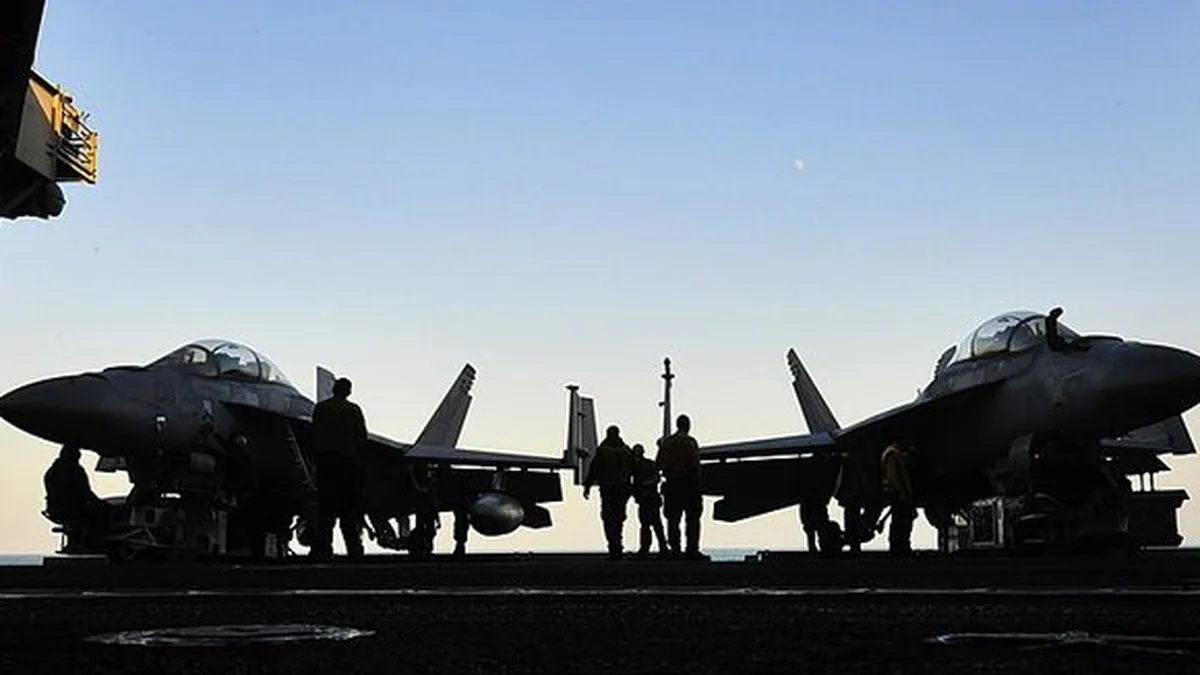
WASHINGTON — Defense Secretary Pete Hegseth walked into the Oval Office Tuesday morning carrying a folder marked "Force Structure Review." Inside were three options that could fundamentally reshape America's global military footprint — all centered on one objective: maximum pressure on Iran.
What's happening
• Trump administration reviewing cuts of up to 30,000 troops from European NATO bases
• Pentagon developing plans to redeploy forces to Middle East amid Iran nuclear concerns
• Shift represents largest US military repositioning since 1991 Gulf War buildup
Why it matters
• European allies face reduced US security guarantee as Russia threat persists
• Iran gains strategic breathing room if US forces stretched thin globally
• Defense contractors brace for massive logistics overhaul worth billions
⬇ Full breakdown below
The Strategic Pivot
The troop reduction proposal emerged from a classified Pentagon assessment delivered to Trump last month, outlining how current force deployments limit America's ability to project power in the Persian Gulf. Senior military planners argue that maintaining 100,000 troops across European bases while simultaneously deterring Iranian aggression stretches resources beyond optimal effectiveness.
"The president wants maximum flexibility to respond to Iran's nuclear timeline," said a senior Defense Department official who requested anonymity to discuss sensitive planning. "Every brigade in Germany is a brigade that isn't available for rapid Middle East deployment."
The timing reflects growing White House frustration with stalled nuclear negotiations and Iran's continued uranium enrichment activities, which intelligence agencies assess could produce weapons-grade material within months.
NATO's Growing Alarm
European allies received preliminary briefings on the potential redeployment last week, triggering urgent diplomatic consultations across NATO capitals. The proposal would reduce US forces in Germany from approximately 35,000 to 20,000 troops, with similar cuts planned for Italy and the United Kingdom.
French President Emmanuel Macron privately warned Trump during a phone call Thursday that precipitous US withdrawals could destabilize Eastern Europe, according to diplomatic sources familiar with the conversation. Poland and the Baltic states have requested emergency NATO consultations to address security gaps.
"This isn't just about numbers — it's about extended deterrence credibility," explained Michael O'Hanlon, a senior fellow at the Brookings Institution. "Putin will test any perceived weakness in NATO's eastern flank."
The redeployment would save approximately $8 billion annually in overseas basing costs, funds the administration plans to redirect toward expanded Middle East operations and homeland missile defense systems.
Iran's Strategic Calculations
Tehran has closely monitored US force positioning throughout the nuclear negotiations, with Iranian military planners viewing European troop levels as an indicator of American global commitments. A significant reduction could signal to Iran's leadership that Trump prioritizes immediate nuclear resolution over long-term European stability.
Iranian Supreme Leader Ali Khamenei referenced US "imperial overstretch" in recent speeches to military commanders, suggesting Tehran views current American deployments as unsustainable. The regime has accelerated uranium enrichment activities while maintaining public positions favoring diplomatic solutions.
Regional analysts warn that Iran might interpret European troop cuts as American weakness, potentially emboldening proxy forces in Iraq, Syria, and Yemen. Conversely, increased US military presence in the Gulf could prompt Iranian defensive preparations that further escalate tensions.
What Comes Next
Pentagon officials expect Trump to announce preliminary decisions within two weeks, with implementation beginning this summer if approved. The timeline coincides with Iran's next International Atomic Energy Agency compliance deadline and could influence Tehran's negotiating positions.
Defense contractors including Lockheed Martin and Raytheon have quietly begun preliminary planning for potential Middle East facility expansions, anticipating increased demand for regional logistics support and missile defense systems.
The next 72 hours will determine whether European allies can present alternative security arrangements that satisfy Trump's Iran-focused priorities. Watch for emergency NATO meetings and French-German diplomatic initiatives. If those fail, expect the most significant American military repositioning since 1945.


Discussion