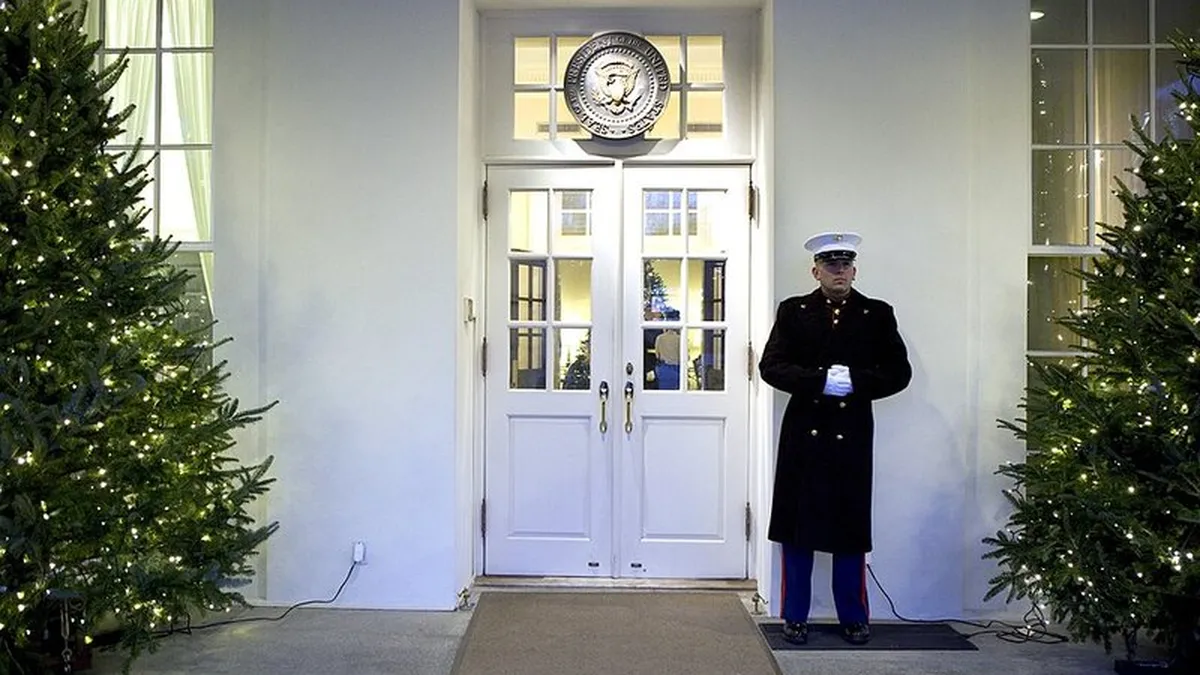
Trump Purges Female Advisers Over Iran War Strategy
President questions Gabbard and Leavitt roles as Hormuz crisis deepens, following earlier Noem departure
WASHINGTON — The knives are out in Trump's war cabinet, and this time they're aimed at his female advisers.
What's happening
• Trump questioning Gabbard and Leavitt positions amid Iran strategy disputes
• Follows earlier departure of Homeland Security chief Kristi Noem
• President seeking broad war powers from Congress for Iran operations
Why it matters
• Internal divisions could weaken war planning as conflict escalates
• Female officials bearing brunt of administration reshuffles
• Policy disagreements emerging over Strait of Hormuz response
⬇ Full breakdown below
Background
President Trump's administration is fracturing along unexpected lines as the Iran conflict enters its second month. Sources close to the White House say Trump has grown frustrated with what he perceives as insufficient hawkishness from Director of National Intelligence Tulsi Gabbard, whose previous anti-war positions have resurfaced in internal debates.
Press Secretary Karoline Leavitt has also drawn presidential ire over her handling of media coverage surrounding the Strait of Hormuz crisis.
"The President expects total loyalty on war strategy," said a senior administration official who requested anonymity. "Any perceived softness is being viewed as disloyalty."
What Happened
The tensions boiled over following Trump's Wednesday evening address to the nation, where he called on oil-dependent nations to "grab" and "cherish" control of the Strait of Hormuz. Behind the scenes, Gabbard had reportedly advocated for a more measured diplomatic approach, citing intelligence assessments that suggested Iran's military capabilities remained intact despite weeks of airstrikes.
Leavitt's crime was more procedural — failing to adequately prepare talking points that framed the conflict as a decisive victory, according to White House insiders.
This follows the earlier departure of Homeland Security Secretary Kristi Noem, whose exit was officially attributed to "policy differences" but privately acknowledged as related to Iran strategy disagreements.
Here's what most people are missing:
The purge isn't random — it's targeting officials who have expressed any reservation about escalation. Trump appears to be consolidating power around advisers who support unlimited military action, even as oil prices surge past $115 per barrel and global markets show signs of strain.
"This administration is eliminating internal dissent at precisely the moment it needs diverse perspectives most," warned Dr. Sarah Chen, a former NSC official now at the Brookings Institution.
Regional Implications
The internal White House drama comes as Iran shows no signs of backing down. Supreme Leader Khamenei's forces have successfully disrupted shipping through the Strait of Hormuz for three consecutive weeks, driving energy costs higher and straining the global economy.
European allies are privately expressing concern about Trump's apparent disregard for diplomatic solutions. Prime Minister Keir Starmer's government has begun independent backchannel communications with Tehran, according to European diplomatic sources.
Markets aren't reacting — they're panicking.
What Comes Next
Trump's reshuffling suggests he's preparing for a significant escalation in Iran operations. Congressional sources indicate the administration will request sweeping war powers authorization within days, potentially including authority to strike Iranian nuclear facilities.
The question isn't whether more advisers will fall — it's who survives the loyalty test. Secretary of State Marco Rubio remains secure, having consistently advocated for maximum pressure tactics. Defense officials who have pushed for ground operations also appear safe.
"The President is creating an echo chamber at exactly the wrong moment," said the senior administration official. "When you're prosecuting a war against a regional power, you need people willing to tell you hard truths."
And this is where it gets dangerous: with dissenting voices silenced, Trump may find himself without the internal checks that prevent strategic miscalculations.
The real test hasn't even begun yet — and Trump is entering it with fewer advisers willing to say no.
Readers seeking context on Trump's broader Middle East strategy should examine his previous Iran policy decisions during his first presidential term.

Discussion