US seizes Iran tanker in own waters, derails talks
USS Carney boards $140M oil vessel in Iranian territory as Pakistan peace negotiations collapse after three weeks
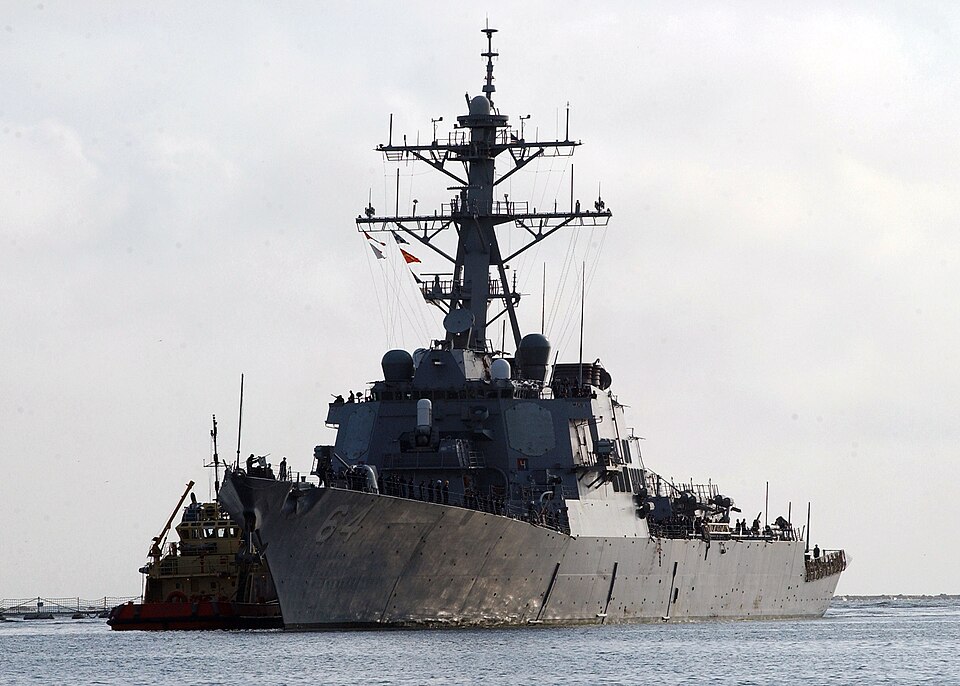
WASHINGTON — The USS *Carney* fired warning shots at an Iranian-flagged tanker before seizing it in Iranian territorial waters Friday, President Trump confirmed in a four-minute White House briefing that raised more questions than it answered.
The boarding marks the first direct U.S. naval action against Iranian shipping since peace talks began in Islamabad three weeks ago. Trump offered no details on casualties or the tanker's cargo.
But the location matters. This wasn't international waters.
What the Navy grabbed
The seized vessel, identified as the *Hormuz Trader*, was carrying 2 million barrels of crude bound for China, according to shipping data reviewed by Reuters. That's $140 million worth of oil at current prices.
Here's what makes this seizure different: The tanker wasn't violating sanctions. It was flying Iranian colors in Iranian waters, according to GPS tracking data.
"We had every right to inspect that ship," Trump said, reading from prepared remarks. "Iran knows what they did."
The president did not specify what Iran had done. White House officials declined to elaborate after the briefing.
No one's talking.
Pakistan talks collapse
The naval action threatens to derail negotiations in Islamabad, where U.S. and Iranian delegations have been meeting since March 28. Pakistan's Foreign Ministry confirmed both sides remain in the capital but said talks were "paused" following Friday's incident.
Secretary of State Marco Rubio was scheduled to join the talks Monday. That trip is now under review, State Department spokesman Matthew Miller said.
Iran's delegation, led by Deputy Foreign Minister Abbas Araghchi, has not commented publicly on the seizure. But Iranian state media called it an "act of piracy" and demanded the tanker's immediate release.
The timing is brutal for Pakistan's mediation efforts. Prime Minister Shehbaz Sharif had personally guaranteed safe passage for both delegations and staked considerable political capital on brokering a deal between Washington and Tehran.
Oil markets panic
Brent crude spiked $6.40 to $89.20 per barrel in Asian trading before settling at $87.50 by London close. Still up 7.8% for the day.
The jump wasn't about supply — one tanker doesn't move global markets. Traders are pricing in escalation risk, particularly the chance Iran closes the Strait entirely.
"This is about what happens next, not what happened today," said Helima Croft, chief commodities strategist at RBC Capital Markets. "If Iran retaliates against shipping, we're looking at $120 oil within days."
Iran controls the northern shore of the Strait, through which 21% of global petroleum liquids pass. The country has threatened to close the waterway multiple times since 2019 but never followed through.
This time feels different.
The boarding details
Details of the actual seizure remain murky. The Navy's Fifth Fleet confirmed the *Carney* "conducted a maritime security operation" but released no operational specifics.
Iranian media claimed the destroyer fired three warning shots before Iranian Revolutionary Guard boats backed down. The Pentagon has not confirmed weapons were discharged.
What's clear: The tanker is now anchored at the U.S. naval base in Bahrain. Its 24-man crew, all Iranian nationals, are being held for questioning.
International maritime law allows inspection of vessels in international waters under certain circumstances. But the *Hormuz Trader* was seized in Iranian territorial waters, according to multiple shipping trackers.
That makes this legally explosive.
Tehran's impossible choice
Iran faces a choice. Escalate and risk derailing talks that could lift sanctions worth $200 billion annually. Or absorb the humiliation and keep negotiating.
Supreme Leader Mojtaba Khamenei, who took power after his father's death in February, has been more pragmatic than expected. He greenlit the Pakistan talks over hardliner objections and has avoided major provocations since March.
But seizing an Iranian-flagged vessel in Iranian waters tests those limits.
"This puts Mojtaba in an impossible position," said Suzanne Maloney at the Brookings Institution. "He can't be seen as weak, but he also can't afford to walk away from these talks."
The younger Khamenei has staked his early leadership on economic recovery. That requires sanctions relief, which requires a deal with Washington. The math was already difficult.
What dies in Islamabad
The Pakistan talks were always a long shot. Iran wants immediate sanctions relief in exchange for nuclear constraints. The U.S. demands full dismantlement of uranium enrichment before any sanctions come off.
But both sides showed up with serious delegations — 47 people from Iran, 31 from the U.S. That suggested real intent to negotiate, despite the public posturing.
Friday's seizure changes that calculation entirely. Iran's hardliners, already skeptical of talks, now have ammunition to argue America can't be trusted to honor any agreement.
The next 48 hours will determine whether diplomacy survives this collision.
Pakistan's next scheduled mediation session is Tuesday. Iran's delegation has hotel reservations through Friday. Whether they stay depends on what Tehran decides about the *Hormuz Trader*.
And what Trump decides to do with it.

Discussion