
Copper drops $233 as traders bet on Iran peace talks
Metal erases half its war premium despite structural damage to Iranian mines that could take years to repair
LONDON — Copper fell 2.3% on Tuesday, erasing half its war premium as traders positioned for peace talks that may never happen.
The industrial metal dropped to $9,847 per ton on the London Metal Exchange, down from Monday's three-month high of $10,080. That's still 18% above pre-war levels. But the selloff signals something more important than price discovery.
Markets are betting on diplomacy. Big mistake, say the people who actually move metal.
"Everyone's trading headlines about Pakistan mediating some grand bargain," said James Morrison, copper trader at Trafigura in London. "Nobody's asking what happens to Iranian copper production if the war drags on six more months."
Iran's copper chokehold tightens
Iran supplies 3% of global copper concentrate. Not massive. But the country's Sarcheshmeh mine — one of the world's largest — has been offline since U.S. airstrikes hit its power grid in March. That's 300,000 tons of annual capacity sitting idle.
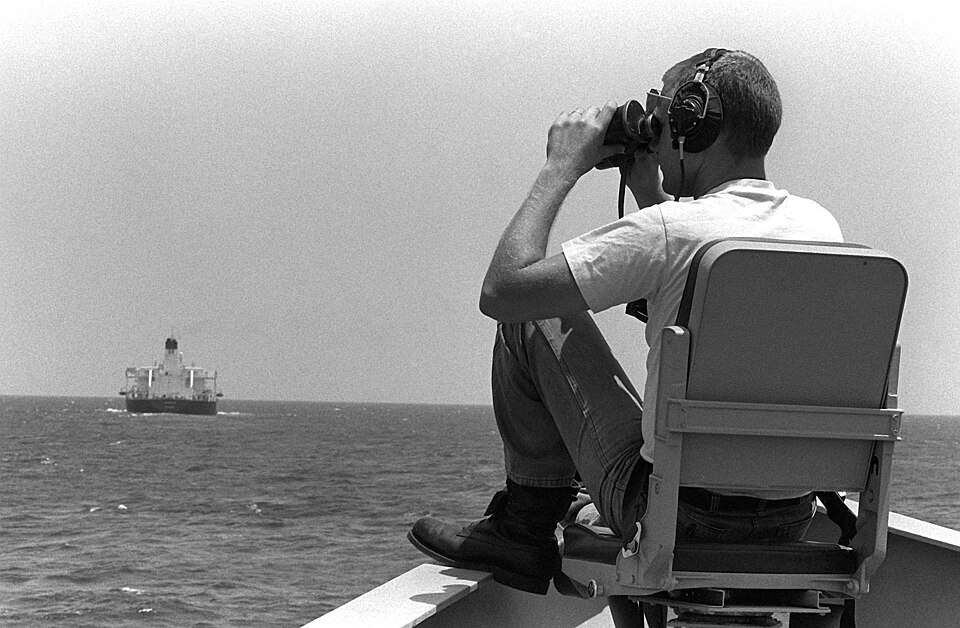
More problematic: Iran's copper flows through the same Strait of Hormuz shipping lanes that Trump's naval blockade has squeezed. Insurance rates for metal carriers transiting the Gulf have tripled since February.
The math gets uncomfortable fast.
China consumes 54% of global copper. Its strategic reserve holds roughly 1.8 million tons — enough for 45 days of normal consumption. Beijing has been drawing down those stockpiles since January to offset supply disruptions from Iran and reduced Russian flows.
"Chinese buyers are getting nervous," said Sarah Chen, metals analyst at CRU Group in Beijing. "They're seeing inventory levels they haven't seen since 2008."
The infrastructure reality check
But here's what the peace trade misses: Iran's copper infrastructure was already strained before the war started.
Sarcheshmeh's equipment dates to the 1970s. The mine needs $2 billion in modernization that sanctions made impossible. Even if fighting stopped tomorrow, bringing production back online would take 18 months minimum.
"This isn't flipping a switch," said Ali Rezaei, former Sarcheshmeh operations manager now based in Dubai. "You're talking about rebuilding electrical systems, replacing damaged equipment, retraining workers who fled."
The war premium in copper reflects something deeper than temporary supply disruption. It's pricing in the reality that Iran's mining sector — like its oil industry — faces years of reconstruction regardless of any peace deal.
Smart money knows this.
Wall Street sees structural damage
Goldman Sachs raised its 12-month copper target to $11,200 per ton last week, citing "structural supply deficits that predate the current conflict." Bank of America went further, warning that Iran's mining capacity could be permanently impaired.
The AI boom compounds the problem. Data centers consume roughly 4.2 tons of copper per megawatt of capacity. Microsoft alone plans to add 15 gigawatts of data center capacity by 2028. That's 63,000 tons of additional copper demand — equivalent to Iran's entire annual mine production.
Defense spending tells the same story. F-35 fighter jets contain 2,000 pounds of copper each. The Pentagon ordered 156 additional aircraft in its latest supplemental budget. Naval vessels are worse — a single destroyer requires 200 tons of copper wiring and components.
"Everyone's focused on the peace talks," said Morrison at Trafigura. "They should be focused on where copper comes from in 2027."
Global supply crunch deepens
Chile produces 28% of global supply. Its mines are aging and ore grades declining. Peru, the second-largest producer, faces political instability that has delayed $15 billion in new mining projects.
The Democratic Republic of Congo supplies most of the world's cobalt but only 1.3 million tons of copper annually. Expanding that capacity requires infrastructure investments that take decades, not years.
Which brings the analysis back to Iran. The country holds roughly 6% of global copper reserves — 38 million tons of proven deposits. Under normal circumstances, those reserves could supply growing global demand for decades.
Current circumstances are not normal.
U.S. sanctions prohibit Western mining companies from investing in Iranian projects. Chinese firms, historically willing to work around sanctions, have grown cautious after seeing their Russian investments frozen.
"The risk calculus changed completely," said Chen at CRU Group. "Chinese mining companies are asking whether Iranian assets are worth the potential secondary sanctions."
The answer, increasingly, is no.
The structural reality
That leaves Iran's copper sector in limbo. Too damaged to produce at capacity. Too risky for foreign investment. Too strategically important to abandon entirely.
Traders betting on a quick peace dividend are missing the bigger picture. Iran's copper shortage isn't temporary. It's structural.
The next test comes Thursday when China releases March industrial production data. Copper consumption typically tracks manufacturing output with a one-month lag. If Chinese demand growth exceeds 4% year-over-year, prices will likely resume their climb regardless of peace talk headlines.
Pakistan's mediation efforts continue in Islamabad. But copper markets are already pricing in a longer conflict.


Discussion