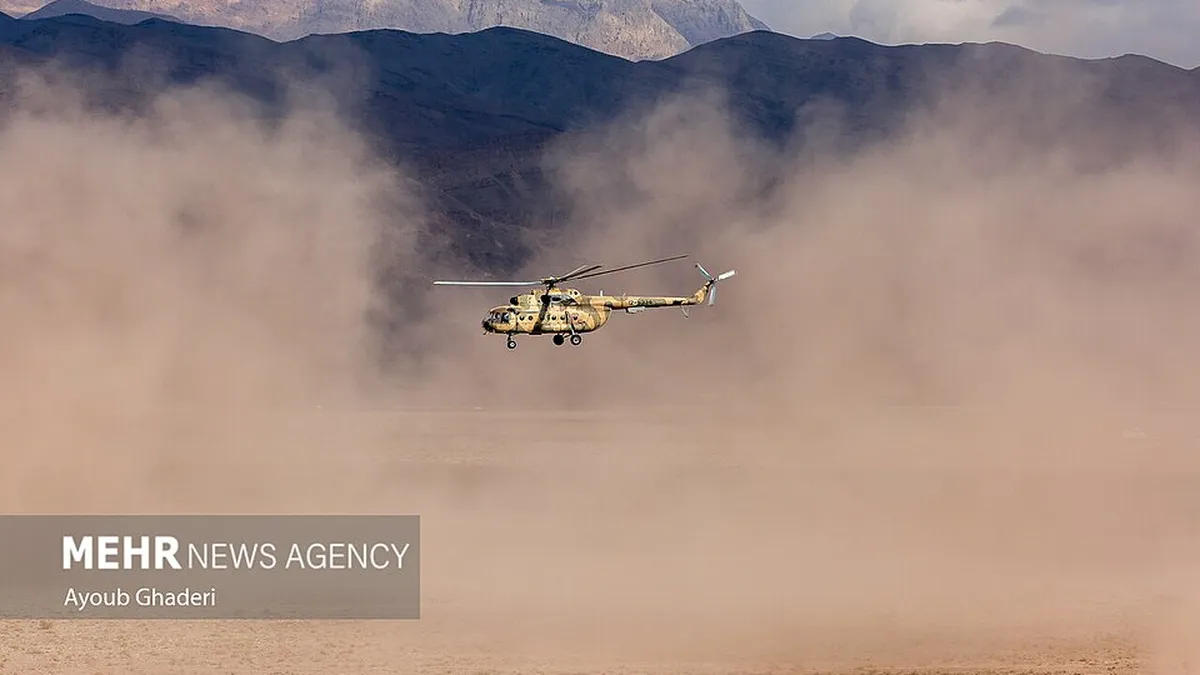
Iran Guards Threaten Multi-Year Energy Cutoff to US Allies
Revolutionary Guards abandon previous restraint, warning oil disruption could last 'years' if Washington crosses red lines
WASHINGTON — Iran's Revolutionary Guards just issued their most aggressive energy threat yet — and this time, they're not talking about temporary disruptions.
The elite military force warned Tuesday it could cut off oil and gas to US allies for years, not months, if Washington crosses Tehran's unspecified red lines. More ominously, Guards officials declared that previous restraint toward regional partners has ended.
What's happening
• Revolutionary Guards threaten multi-year energy disruption
• Tehran abandons previous limits on regional retaliation
• Warning targets US allies' energy infrastructure specifically
Why it matters
• Gulf states supply 40% of global oil exports
• Energy security directly impacts inflation and economic stability
• Escalation shifts from tactical strikes to strategic warfare
⬇ Full breakdown below
What Changed in Tehran's Calculus
This isn't standard Iranian saber-rattling. The Guards' statement represents a fundamental shift in Tehran's approach to regional confrontation.
Previous Iranian threats focused on temporary closures of shipping lanes or brief disruptions to oil facilities. Now they're talking about sustained infrastructure targeting designed to remove entire nations from energy markets.
"The language here is unprecedented," says Michael Singh, senior fellow at the Washington Institute. "They're moving from deterrence to what sounds like preparation for economic warfare."
Here's what most people are missing: Iran isn't just threatening to disrupt energy flows. They're threatening to destroy the infrastructure that makes those flows possible.
The Infrastructure Target List
Iranian military planners have spent decades mapping vulnerabilities in Gulf energy systems. Pipeline networks, processing facilities, and export terminals represent chokepoints that could cripple regional production for years, not weeks.
Saudi Arabia's Ras Tanura complex processes 550,000 barrels daily. Kuwait's refineries handle another 800,000. A coordinated strike campaign could remove millions of barrels from global markets.
And this is where it gets dangerous: repair timelines for major energy infrastructure stretch 18-24 months minimum.
"Previous Iranian operations targeted ships or temporary facilities," explains former CIA analyst Katherine Zimmerman. "Targeting permanent infrastructure crosses into strategic warfare territory."
Trump Administration Response Calculus
President Trump faces a complex calculation. His administration has maintained maximum pressure on Iran while avoiding direct military confrontation. Tehran's latest threats test that balance.
The Guards' statement notably avoids defining specific red lines, leaving Washington guessing about trigger points. This ambiguity itself represents escalation — Iran is essentially claiming the right to determine when America has gone too far.
But here's the catch: Gulf allies are now explicitly in Tehran's crosshairs. Previous Iranian doctrine focused primarily on US military assets.
Regional Partners Under Pressure
Saudi Arabia and the UAE find themselves caught between American security guarantees and Iranian threats to their economic lifelines.
Both nations have invested hundreds of billions in energy infrastructure that Iranian forces could potentially target. Insurance costs for Gulf energy facilities have already increased 15% since January.
This is where things start to break down: regional allies may begin hedging their support for US Iran policy if they believe their energy sectors face existential threats.
Market Reality Check
Energy markets haven't fully priced in sustained infrastructure warfare. Current oil prices reflect temporary supply disruption scenarios, not permanent facility destruction.
A coordinated Iranian campaign against Gulf energy infrastructure could remove 8-10 million barrels daily from global markets. Strategic petroleum reserves might cover 2-3 months of disruption, not years.
The real test hasn't even begun yet. If Iran follows through on infrastructure targeting, this transforms from regional security crisis into global economic emergency.
The Guards' abandonment of previous restraint suggests Tehran believes it has nothing left to lose — and that calculation may prove more dangerous than any specific threat.


Discussion