Trump's 45-Day Iran Gamble: Will Bridge Day Stop War?
Three Muslim nations push radical ceasefire plan as Tehran balks — and oil markets watch for signs of broader Middle East breakdown
WASHINGTON — The clock is ticking on what may be the most audacious diplomatic gamble of Trump's second presidency.
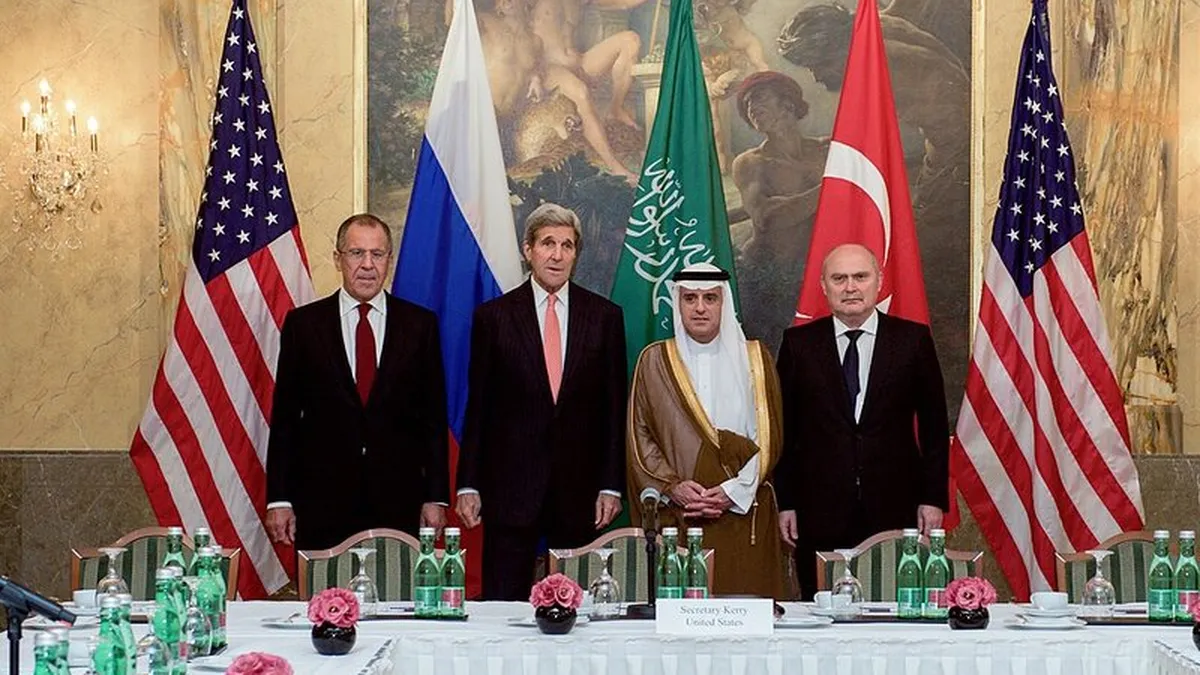
Three Muslim-majority nations — Pakistan, Turkey and Egypt — are racing to broker a 45-day ceasefire between Israel and Iran before Trump's self-imposed 'Bridge Day' deadline expires. But Tehran's hesitation to embrace the plan has created a dangerous vacuum where miscalculation could spiral into regional war.
What's happening
• Pakistan, Turkey and Egypt jointly proposed 45-day cooling-off period
• Iran showing reluctance to accept ceasefire terms
• Trump's 'Bridge Day' ultimatum creating pressure cooker environment
Why it matters
• Oil markets already pricing in supply disruption risks
• Regional allies scrambling to prevent wider conflict
• US credibility on Middle East diplomacy at stake
⬇ Full breakdown below
The proposal represents an unprecedented intervention by three key regional powers who rarely coordinate on Iran policy. Each brings unique leverage: Pakistan's nuclear credentials, Turkey's NATO membership and regional influence, and Egypt's historical role as Arab world mediator.
But here's the catch:
What Iran Is Really Thinking
Tehran's reluctance stems from deeper strategic calculations that go beyond the immediate ceasefire terms. Iranian officials view Trump's 'Bridge Day' ultimatum as an attempt to box them into negotiations from a position of weakness.
"Iran sees this as Trump trying to manufacture a crisis he can then claim credit for resolving," said Michael Eisenstadt, director of military affairs at the Washington Institute. "They're not going to hand him that victory easily."
The Supreme Leader's inner circle is reportedly split between hardliners who view any ceasefire as capitulation and pragmatists who recognize Iran's vulnerable position amid ongoing economic pressure.
And this is where it gets dangerous:
The 45-Day Problem
The proposed timeframe creates as many problems as it solves. Forty-five days is long enough for both sides to reposition forces and build new capabilities, but short enough that neither side can fully de-escalate without appearing weak to domestic audiences.
Here's what most people are missing: The three mediating countries aren't just trying to prevent war — they're trying to prevent their own economies from collapsing if regional conflict disrupts energy supplies and trade routes.
Turkey's Erdogan faces particular pressure as his economy depends heavily on Iranian energy imports, while Egypt's Suez Canal revenues could crater if shipping companies reroute around Africa to avoid potential conflict zones.
But this is only part of the story:
Trump's Real Calculation
The President's 'Bridge Day' strategy appears designed to force Iran into a binary choice: accept internationally mediated talks or face the consequences of apparent intransigence. It's a high-stakes reframe of the traditional diplomatic process.
"Trump is essentially outsourcing the initial diplomacy to Muslim nations to remove any appearance that this is just another US-led pressure campaign," explained Sarah Feuer, a Middle East analyst at the Wilson Center. "But if it fails, he gets to say he tried the multilateral approach."
The real test will come in the next 72 hours as Iran's leadership decides whether to publicly embrace the ceasefire proposal or allow the 45-day window to open without their explicit commitment.
And if that happens, this won't stay a regional crisis.
What Comes Next
Markets are already pricing in the possibility that diplomacy fails and the region slides toward broader confrontation. Energy companies are quietly drawing up contingency plans for supply disruptions that could push oil well beyond current levels.
The three mediating nations have reportedly prepared a fallback position involving extended talks in neutral territory, but Iran's participation remains the critical unknown variable.
Trump's next move will likely depend on whether Tehran gives any public signal of willingness to engage before his self-imposed deadline expires.
What happens in the coming days may determine whether the Middle East enters a new phase of managed tensions or slides into the kind of regional conflict that reshapes global energy markets for years to come.

Discussion