Senate blocks Iran war halt as Pakistan talks begin
Republicans vote 52-47 to reject fourth Democratic resolution requiring congressional authorization for Trump's military campaign
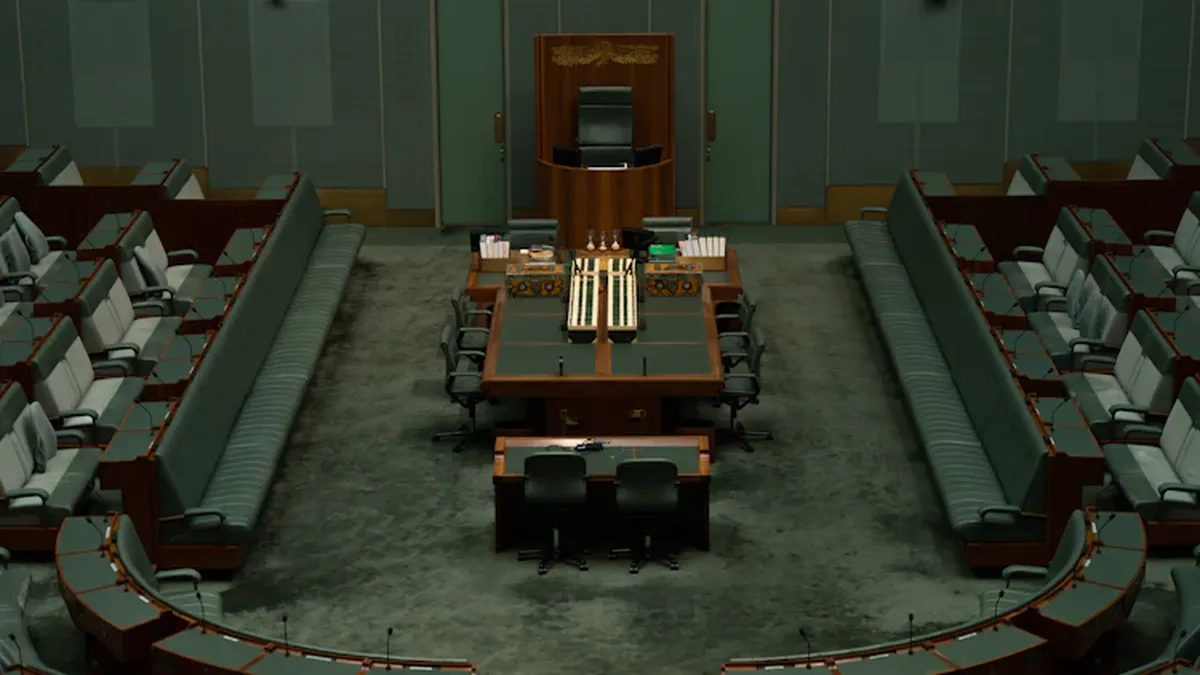
WASHINGTON — Senate Republicans blocked the fourth Democratic attempt to halt Trump's Iran war on Wednesday, voting 52-47 to reject a resolution that would have required congressional authorization for continued military action.
The vote GOP unity behind Trump's war strategy even as Pakistani negotiators arrived in Tehran for what the White House called "promising preliminary discussions" on ending the seven-week conflict.
Only one Republican broke ranks. Senator Rand Paul of Kentucky, who has opposed every military authorization since 2014, voted with Democrats. Pennsylvania's John Fetterman was the lone Democratic defection, citing "credible intelligence that Iran was planning attacks on American synagogues."
But here's the problem with the Senate arithmetic: Democrats need 60 votes to advance any war powers resolution. They're nowhere close.
White House sees opening in Pakistan talks
The administration's optimism centers on Pakistan's unique position as both a Chinese ally and longtime Iran mediator. Foreign Minister Bilawal Bhutto-Zardari landed in Tehran on Tuesday with a 12-person delegation that includes military officials — unusual for a diplomatic mission.
"The Pakistanis have channels we don't," said a senior State Department official who requested anonymity. "They've been talking to the new Supreme Leader's people since March."
That's Mojtaba Khamenei, who assumed power after his father Ali Khamenei was killed in the February 28 strikes that launched this war. U.S. intelligence assessments suggest the younger Khamenei is more pragmatic than his father, though equally committed to Iran's nuclear program.
The Pakistani delegation is reportedly carrying a three-phase proposal: immediate ceasefire, phased sanctions relief, and eventual normalization talks. Iran's response could come within 48 hours.
Markets shrug off diplomatic hopes
Oil traders aren't buying the optimism. Brent crude closed at $89.42, down just 1.2% despite headlines about breakthrough talks. That's because Trump's naval blockade has already achieved its primary goal — cutting Iran's oil exports from 2.1 million barrels per day to just 567,000.
"The damage is done," said energy analyst Sarah Chen at Goldman Sachs. "Even if there's a deal tomorrow, it takes months to restart those export relationships."
Iran's economy is buckling under the pressure. The rial has lost 67% of its value since February. Bread lines in Tehran stretch for blocks. Three major refineries have shut down due to parts shortages.
Fetterman's surprising defection
The Pennsylvania Democrat's vote stunned his own party leadership. Fetterman cited classified briefings about Iranian sleeper cells targeting Jewish communities in Philadelphia and Pittsburgh.
"I'm not going to sit here and pretend this is just about oil," Fetterman told reporters after the vote. "They were planning to kill kids in Hebrew school."
Democratic leadership had no advance warning. Senate Minority Leader Chuck Schumer's office declined to comment on whether Fetterman would face any consequences.
The vote split reflects broader Democratic anxiety about appearing weak on Iran while Trump's approval ratings climb. A CNN poll released Monday showed 61% of Americans support the military campaign — Trump's highest numbers since taking office in January.
What commanders are watching
Pentagon officials say Iran's military response has been surprisingly adaptive. Instead of massed formations that invite airstrikes, Iranian forces are using small units that blend with civilian populations.
"They're learning," said retired General David Petraeus. "This isn't the same Iranian military we faced in 2003."
Most concerning: Iran's ability to rapidly repair damaged infrastructure. A rail bridge bombed on March 15 was fully operational within 47 hours. That suggests deeper engineering capabilities than previously assessed.
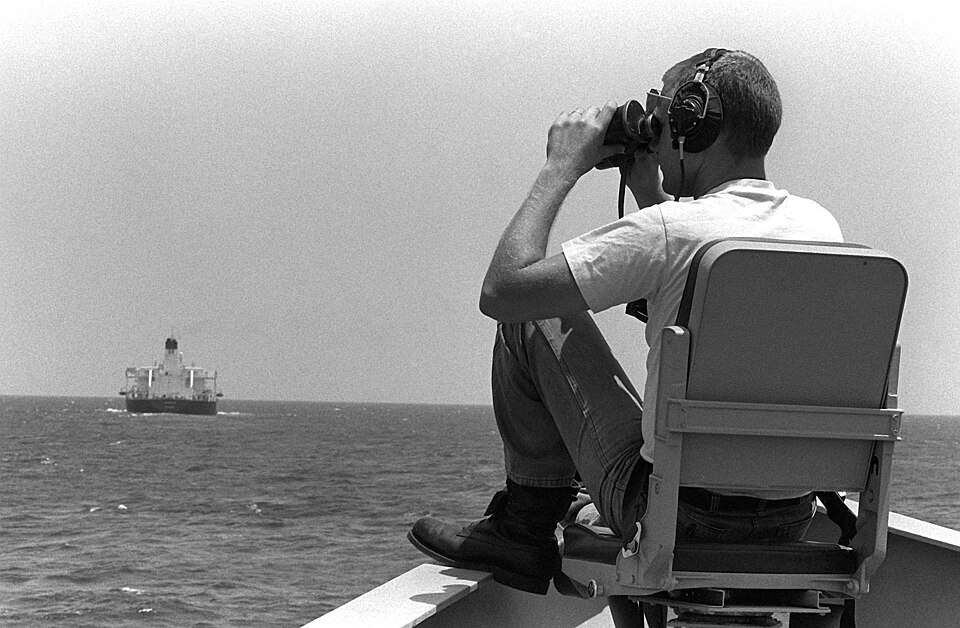
Iran has also shifted tactics in the Strait of Hormuz. Rather than direct confrontation with U.S. warships, Iranian fast boats are harassing commercial vessels in international waters — creating insurance headaches without triggering major escalation.
Next 48 hours crucial
Pakistan's mediation effort faces a tight timeline. President Trump has scheduled a major address to the nation for Friday evening, which administration officials hint could announce either a diplomatic breakthrough or significant military escalation.
The timing isn't coincidental. Trump wants a resolution before the April 22 OPEC+ meeting, where Iran's production quotas — if any — will be set. A deal before then could stabilize global energy markets heading into summer driving season.
Iranian officials have until Thursday evening to respond to Pakistan's proposal. If they reject it, Trump has already authorized additional strikes on Iran's remaining oil infrastructure.



Discussion