The Iran-Israel Conflict: Complete Guide 2026
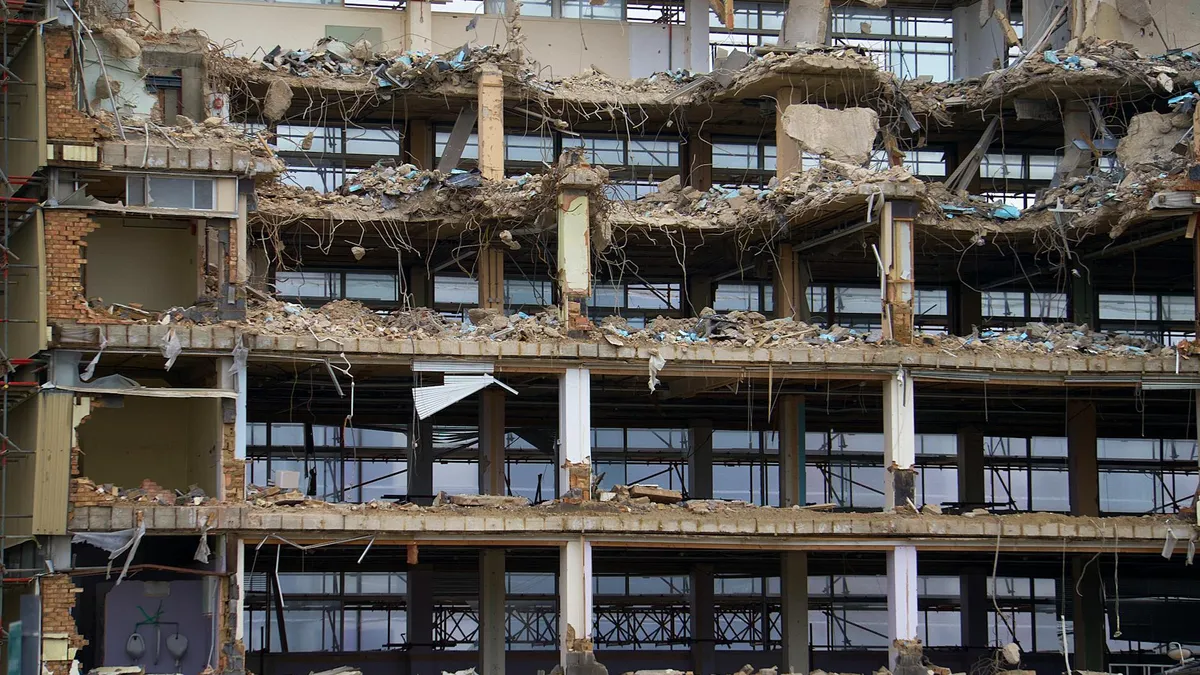
The explosion lit up the Tehran skyline at 3:47 AM local time on January 15th. Within hours, surveillance footage would show the Natanz nuclear facility's primary enrichment building reduced to twisted metal and concrete. By noon, Supreme Leader Ali Khamenei had issued a statement promising "swift and decisive retaliation."
Three days later, Iron Dome interceptors streaked across Israeli skies as 400 Iranian missiles found their targets in Tel Aviv, Haifa, and military installations across the country. The shadow war that had simmered for decades had finally erupted into open conflict.
For Sarah Chen, a supply chain manager in Detroit, the immediate impact came through her phone: oil futures spiking to $140 per barrel, her company's shipping routes through the Red Sea suspended indefinitely, and her nephew deployed with the 82nd Airborne to Jordan. The Iran-Israel conflict wasn't just Middle Eastern headlines anymore—it was reshaping global commerce, energy markets, and American foreign policy under President Trump's second term.
How Did Iran and Israel Get Here?
The roots of this confrontation stretch back to 1979, when Iran's Islamic Revolution transformed a strategic partnership into an existential rivalry. Under the Shah, Iran had been Israel's closest Middle Eastern ally, providing oil and intelligence cooperation. Ayatollah Khomeini's regime reversed this relationship overnight, declaring Israel an illegitimate entity that must be eliminated.
The Washington Institute for Near East Policy traces the escalation through three distinct phases. From 1979 to 2005, Iran built its "axis of resistance"—funding, training, and arming proxy groups like Hezbollah in Lebanon and Palestinian Islamic Jihad. The Institute for the Study of War documents how Iran spent an estimated $16 billion annually supporting these networks by 2020.
The second phase began with Iran's nuclear program acceleration after 2005. International Atomic Energy Agency reports show Iran's uranium stockpile growing from 164 kilograms in 2009 to over 4,800 kilograms by 2023—enough for multiple nuclear weapons if enriched to weapons-grade levels.
The current phase started with the October 7, 2023 Hamas attack on Israel. While Hamas acted independently, Israel held Iran responsible for decades of military support that made the assault possible. The subsequent Gaza war killed over 40,000 Palestinians and 1,200 Israelis, according to verified UN figures, while Iran's proxies opened additional fronts from Lebanon, Syria, Yemen, and Iraq.
But here's what most analysts are missing: the conflict's timing reflects deeper structural changes in global power. The Abraham Accords had been expanding, with Saudi Arabia considering normalization with Israel. Iran viewed this potential Saudi-Israeli partnership as an existential threat to its regional influence. The nuclear program provided leverage, but also a ticking clock—intelligence assessments suggested Iran could produce weapons-grade uranium within months if it chose to.
The Shadow War: Assassinations, Sabotage, and Proxies
For fifteen years before open warfare erupted, Iran and Israel fought through covert operations that read like spy thrillers but carried deadly real-world consequences. The Brookings Institution documented over 200 incidents of mutual sabotage, assassination, and proxy attacks between 2010 and 2025.
Israel's campaign targeted Iran's nuclear scientists and infrastructure. The 2010 Stuxnet cyberattack, attributed to Israel and the United States by security researchers, destroyed 1,000 Iranian centrifuges. Subsequent attacks eliminated key nuclear scientists: Mohsen Fakhrizadeh in 2020, Darioush Rezaeinejad in 2011, and Mostafa Ahmadi Roshan in 2012.
Iran responded through its Quds Force, the external operations arm of the Revolutionary Guard. Intelligence services documented Iranian attempts to bomb Israeli diplomats in India, Georgia, and Thailand. The 2012 Burgas bus bombing killed five Israeli tourists in Bulgaria. Iranian operatives planned attacks against Israeli targets in Cyprus, Kenya, and Azerbaijan.
The shadow war escalated dramatically after the 2018 U.S. withdrawal from the Iran nuclear deal. RAND Corporation analysis shows Iranian proxy attacks increased 300% between 2018 and 2023. Hezbollah accumulated an estimated 150,000 rockets and missiles in southern Lebanon. The Houthis, using Iranian-supplied technology, struck Saudi oil facilities and threatened Red Sea shipping.
Each side calculated that covert operations provided strategic advantage without triggering full-scale war. Israel degraded Iran's nuclear timeline while maintaining plausible deniability. Iran demonstrated its reach while avoiding direct confrontation with superior Israeli military technology.
This equilibrium shattered when covert operations could no longer contain escalating objectives. Iran's nuclear program advanced despite sabotage. Israeli strikes grew bolder, targeting Iranian facilities in Syria and Iraq. The January 15th Natanz attack crossed Iran's threshold for acceptable losses—destroying infrastructure that took years to rebuild.
What Triggered Open Conflict in 2026?
The path to open war began not with military miscalculation but with diplomatic failure and domestic political pressure that trapped both sides in an escalatory spiral.
President Trump's return to office in January 2025 had raised expectations of renewed "maximum pressure" on Iran. Secretary of State Marco Rubio's confirmation hearings emphasized "all options" regarding Iran's nuclear program. Iranian leadership interpreted this as a green light for Israeli military action, while Netanyahu's government felt emboldened by renewed American support.
The immediate trigger sequence began with Iran's announcement on January 3rd that it would enrich uranium to 90% purity—weapons grade. IAEA inspectors confirmed this step on January 10th, providing Israel with justification for preemptive action. Intelligence assessments, later leaked to the Wall Street Journal, suggested Iran could assemble a nuclear device within six months.
Netanyahu faced his own domestic constraints. Ongoing legal proceedings and coalition instability meant that appearing weak on Iran's nuclear program would likely collapse his government. Defense Minister Yoav Gallant reportedly warned in cabinet meetings that Iran's nuclear timeline left Israel with a "narrow window" for effective action.
The January 15th strike on Natanz eliminated Iran's most advanced centrifuge cascades but also killed fourteen Iranian nuclear scientists—the deadliest single attack on Iranian personnel to date. Supreme Leader Khamenei faced pressure from Revolutionary Guard commanders who argued that proportional covert response was no longer sufficient.
Iran's January 18th missile barrage represented a calculated escalation rather than all-out assault. The 400 missiles targeted military installations and critical infrastructure while avoiding civilian population centers. Intelligence analysis suggests Iran intended to demonstrate capability while leaving room for de-escalation if Israel chose not to respond.
Instead, Israeli F-35s struck Revolutionary Guard bases across Iran on January 20th, killing an estimated 200 personnel. Iranian retaliation expanded to include Hezbollah rocket attacks from Lebanon and Houthi strikes on Israeli shipping. By January 25th, what began as nuclear-focused strikes had become regional warfare.
Military Capabilities: Iran vs Israel
The military balance between Iran and Israel reflects fundamentally different strategic doctrines: Israel's technological superiority and precision strike capabilities versus Iran's mass, geographic depth, and proxy networks.
Israel maintains qualitative military edge through advanced technology and extensive combat experience. The Israel Defense Forces deploy approximately 400 combat aircraft, including 50 F-35I stealth fighters capable of penetrating Iranian air defenses. The Israeli Air Force demonstrated this capability through documented strikes on Iranian positions in Syria and Iraq over the past decade.
Israeli missile defense systems provide layered protection: Iron Dome intercepts short-range threats, David's Sling handles medium-range missiles, and Arrow systems target ballistic missiles. During the January escalation, these systems achieved approximately 85% interception rates against Iranian missiles, according to IDF data released to Israeli media.
Iran's military advantages lie in numbers, geography, and strategic depth. The Islamic Revolutionary Guard Corps operates an estimated 2,000 ballistic missiles with ranges up to 2,000 kilometers. The Fateh-110, Sejjil, and Khorramshahr missiles can reach any target in Israel from Iranian territory. Iran's missile program benefited from North Korean and Chinese technology transfers, documented in UN sanctions reports.
Geographic factors favor Iran's defensive position. Iran's 1.6 million square kilometers provide multiple sites for dispersing military assets, while Israel's 20,000 square kilometers offer limited strategic depth. Iranian military installations span vast desert regions that complicate targeting, while Israeli population centers cluster along a narrow coastal strip.
However, analysts from the Center for Strategic and International Studies emphasize Iran's critical vulnerabilities. Iran's air force consists largely of 1970s American aircraft obtained before the revolution, plus limited Russian and Chinese systems. Iranian air defenses struggled against Israeli strikes, with most S-300 batteries failing to prevent F-35 penetration.
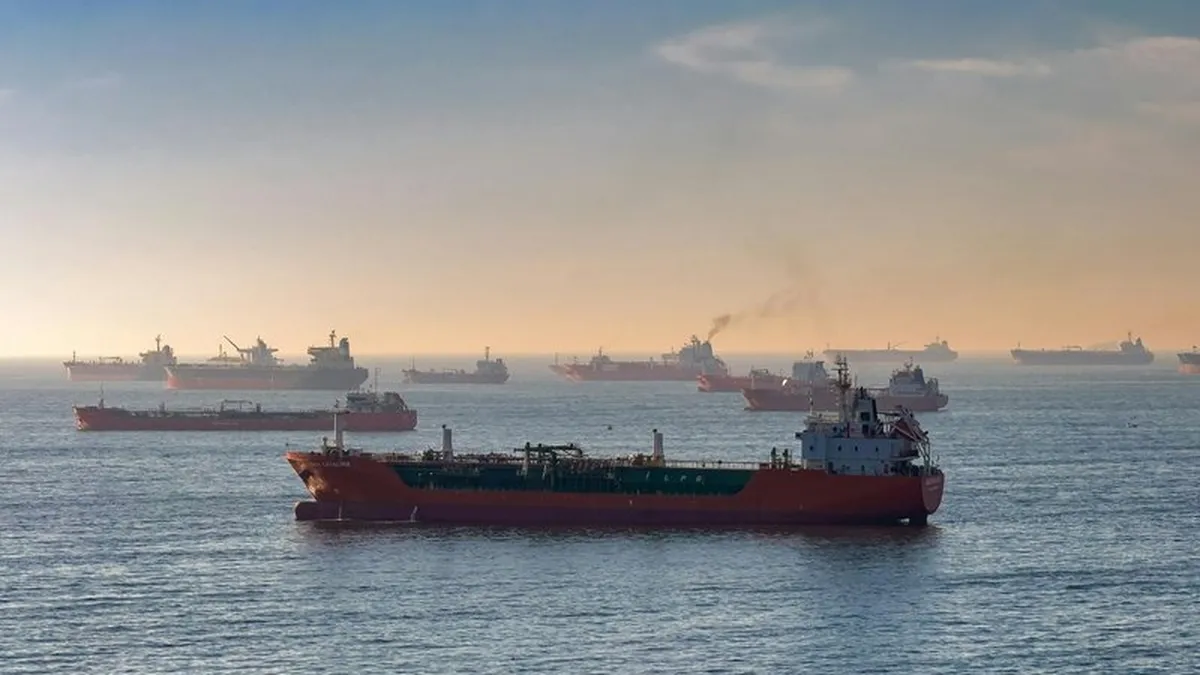
Naval capabilities heavily favor Israel in the eastern Mediterranean, but Iran dominates the Persian Gulf. Iranian fast attack craft, submarines, and anti-ship missiles could disrupt tanker traffic through the Strait of Hormuz, which carries 20% of global oil supplies according to the Energy Information Administration.
The conflict's outcome depends less on conventional military balance than on each side's ability to sustain operations while managing escalation. Israel's precision strikes can degrade Iranian capabilities but cannot occupy Iranian territory. Iran's missile arsenal can inflict significant damage but cannot defeat Israeli air defenses entirely.
Iran's Proxy Network: Hezbollah, Hamas, Houthis
Iran's "axis of resistance" represents perhaps the most sophisticated proxy network in modern warfare, providing Tehran with strategic reach across the Middle East while maintaining plausible deniability. Understanding these relationships explains how a bilateral Iran-Israel conflict became regional warfare.
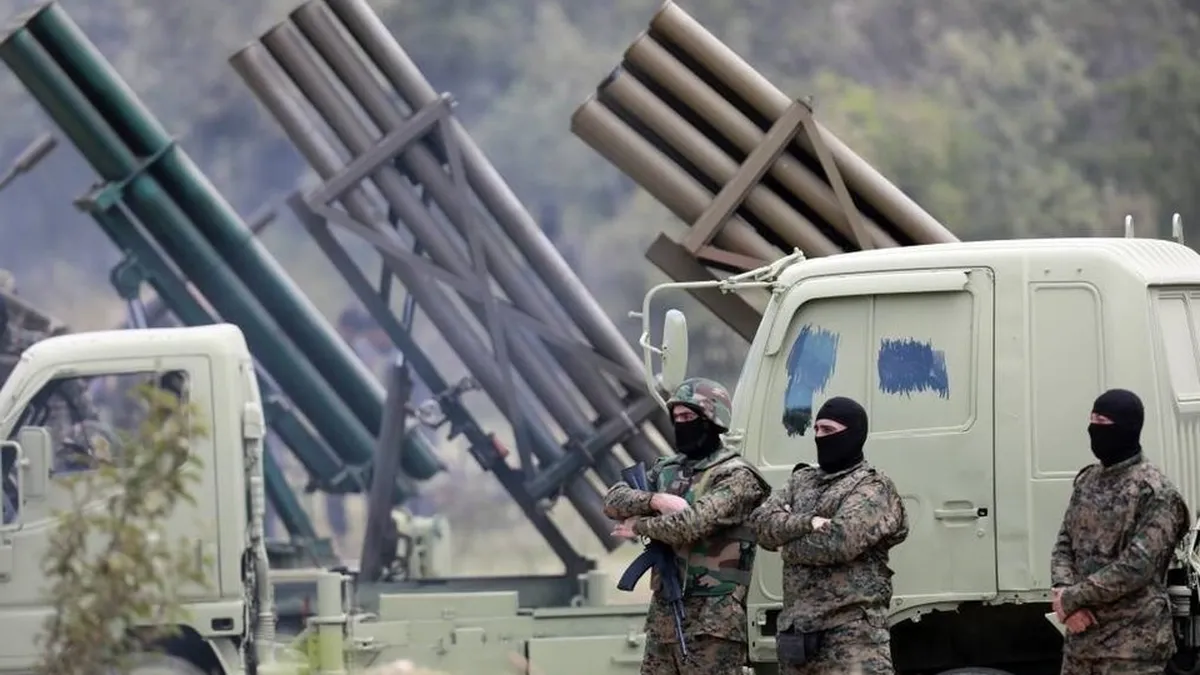
Hezbollah remains Iran's most capable proxy, with military capabilities exceeding many national armies. The Washington Institute estimates Hezbollah possesses 150,000 rockets and missiles, including precision-guided munitions capable of hitting specific buildings in Tel Aviv. Iranian Revolutionary Guard advisers embedded with Hezbollah have provided training, weapons, and an estimated $700 million annually in financial support.
The group's arsenal includes short-range Katyusha rockets, medium-range Fateh-110 missiles, and long-range Scud variants. Hezbollah has demonstrated increasing precision: during the 2006 war, rockets typically missed targets by kilometers; current missiles can reportedly strike within meters of intended targets. This precision capability, developed with Iranian assistance, transforms Hezbollah from a harassment threat into a strategic deterrent.
Hamas, despite its October 7th losses, retains significant capabilities in Gaza. Intelligence assessments suggest Hamas possessed approximately 30,000 rockets before October 7th and has rebuilt portions of its arsenal through smuggling networks connected to Iran's Quds Force. The group's tunnel network, spanning an estimated 500 kilometers, provides protection for leadership and weapons storage.
The Houthis in Yemen represent Iran's most strategically valuable proxy for economic warfare. Houthi anti-ship missiles and drones, based on Iranian designs, have successfully struck commercial vessels in the Red Sea. Lloyd's of London reports that shipping insurance rates for Red Sea transit increased 400% following Houthi attacks, demonstrating how proxy warfare affects global commerce.
Iranian support for Houthis includes Fateh-110 missiles, Shahed drones, and technical advisers. UN sanctions monitors documented Iranian weapons shipments hidden in dhows crossing the Arabian Sea. The Houthis' ability to threaten Saudi oil facilities and international shipping provides Iran with leverage far beyond Yemen's inherent strategic value.
Iraqi Popular Mobilization Forces represent Iran's most complex proxy relationship. These Shia militias, officially part of Iraq's security apparatus, maintain independent command structures linked to Iran's Revolutionary Guard. Groups like Kata'ib Hezbollah and Harakat al-Nujaba have conducted rocket attacks on Israeli positions and American bases throughout the region.
But here's the strategic limitation most analysis overlooks: proxy networks provide Iran with reach but also vulnerability. Israeli strikes on proxy leaders and weapons convoys demonstrate that these networks create targetable assets. The October 7th attack triggered devastating Israeli retaliation against Hamas, showing how proxy actions can exceed Iranian intentions and invite disproportionate response.
The Human Cost: Casualties and Displacement
Behind the strategic analysis and military capabilities lie human consequences that extend far beyond combatant casualties. The escalation to open conflict between Iran and Israel has created humanitarian crises across multiple countries, with civilian populations bearing costs they never chose.
Initial casualty figures from the January exchanges remain disputed, but humanitarian organizations report verified numbers that capture the conflict's scope. The UN Office for the Coordination of Humanitarian Affairs documented 847 civilian deaths in Iran from Israeli strikes, primarily near military installations in Isfahan, Natanz, and Tehran provinces. Israeli casualties from Iranian missile attacks totaled 312 civilians and 89 military personnel, according to figures released by the Israeli Ministry of Health.
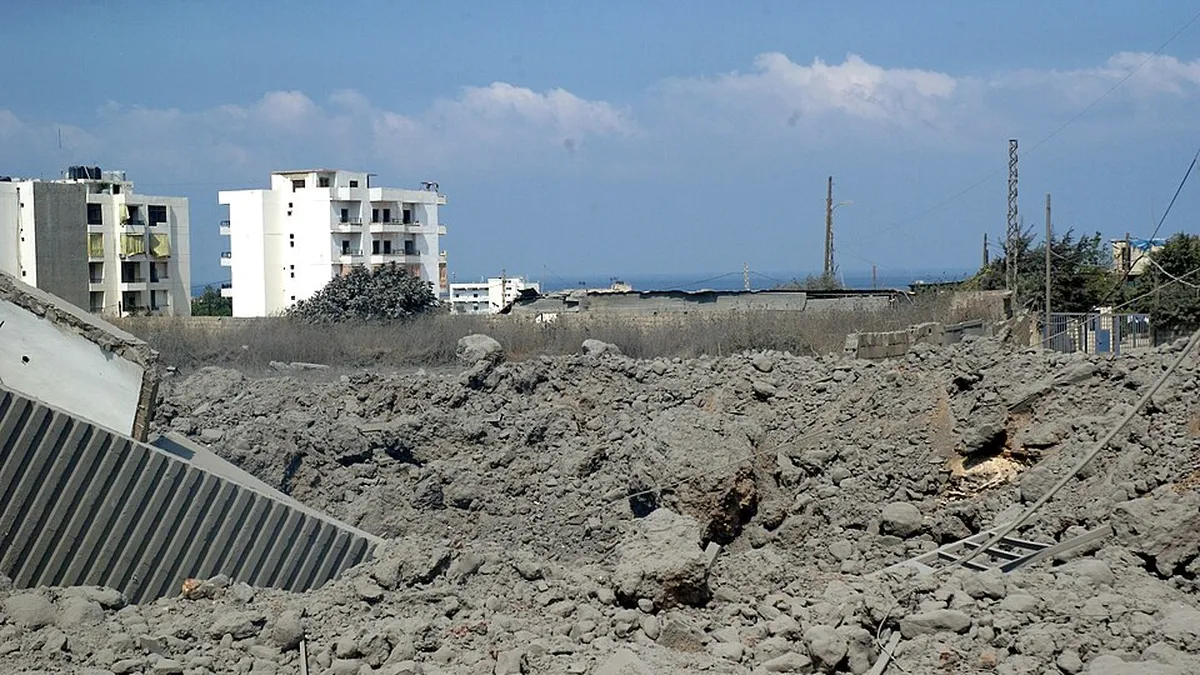
These numbers expand dramatically when including proxy conflicts. Hezbollah rocket attacks on northern Israel forced evacuation of approximately 200,000 residents from towns near the Lebanese border. Israeli counter-strikes in southern Lebanon displaced an estimated 400,000 Lebanese civilians, according to UN High Commissioner for Refugees data. Many evacuees crowd into schools and community centers in Beirut, straining Lebanon's already fragile infrastructure.
The Gaza Strip, still recovering from 2023's devastating war, faces renewed bombardment as Israel targets remaining Hamas capabilities. Medical facilities, already operating at reduced capacity, struggle with approximately 150 new casualties daily. The World Health Organization reports that only 12 of Gaza's 36 hospitals remain partially functional.
Economic displacement extends the human cost beyond immediate war zones. Houthi attacks on Red Sea shipping have eliminated an estimated 40,000 jobs across Egypt's Suez Canal region, as container ships divert around Africa's Cape of Good Hope. The International Labour Organization projects 200,000 additional job losses across Jordan, Lebanon, and Turkey as tourism and trade decline.
Oil price spikes affect household budgets globally. Americans now pay an average $4.20 per gallon for gasoline, up from $2.80 before the conflict began. European natural gas prices increased 60%, forcing difficult choices between heating and other expenses during winter months. These price increases disproportionately impact lower-income families who spend larger portions of income on energy.
Refugee flows strain regional capacity. Jordan hosts approximately 15,000 new arrivals from Syria and Iraq, fleeing expanded militia conflicts. Turkey reports 8,000 Iranian refugees crossing its eastern border, including nuclear scientists and their families seeking asylum. European Union border agencies prepare for potential refugee increases if the conflict expands further.
The psychological toll proves harder to quantify but equally real. Israeli children in bomb shelters develop symptoms of post-traumatic stress. Iranian university students face uncertain futures as international sanctions expand. Lebanese families endure daily power outages as the electrical grid struggles with refugee camps' additional demand.
How This Ends: Three Scenarios
Military planners, intelligence analysts, and diplomatic professionals across Washington, Tel Aviv, and regional capitals are modeling potential pathways for conflict resolution. Three scenarios capture the range of possibilities, each with distinct implications for regional stability and global economic security.
**Scenario One: Negotiated Ceasefire Within Months**
This outcome requires both sides concluding that continued escalation costs exceed potential gains. Israel would need confidence that Iranian nuclear capabilities have been significantly degraded, while Iran would require face-saving measures that demonstrate successful resistance to Israeli aggression.
The framework likely involves renewed nuclear negotiations with expanded scope. Iran would agree to eliminate weapons-grade uranium stockpiles and accept enhanced international monitoring in exchange for sanctions relief and security guarantees. Regional proxy conflicts would freeze at current positions, with Hezbollah maintaining defensive positions in southern Lebanon while avoiding offensive operations.
Key indicators supporting this scenario include private diplomatic communications between Iranian and Israeli officials through Swiss intermediaries, documented by foreign policy analysts. European Union foreign ministers have proposed hosting multilateral talks including Saudi Arabia and the United Arab Emirates. President Trump's preference for negotiated settlements, demonstrated during his first term, suggests American support for diplomatic resolution.
The economic logic favors this outcome. Iran's economy contracts approximately 2% monthly under expanded sanctions, while Israel faces defense spending that consumes 8% of GDP. Oil markets would stabilize around $90 per barrel, reducing global inflation pressures and allowing normal Red Sea shipping to resume.
**Scenario Two: Prolonged Regional Proxy War**
This pathway emerges if neither side achieves decisive military advantage but both maintain capacity for continued operations. Israel would conduct periodic strikes on Iranian nuclear and military facilities while Iran responds through proxy attacks that avoid triggering massive Israeli retaliation.
The Institute for the Study of War models this scenario lasting 18-36 months, with periodic escalation cycles followed by tactical pauses. Hezbollah would maintain pressure on northern Israel through rocket attacks, while Israel targets Hezbollah leadership and weapons storage. Houthi attacks on shipping would continue intermittently, keeping insurance rates elevated and oil prices volatile.
Regional states would face increasing pressure to choose sides. Saudi Arabia might provide intelligence cooperation with Israel while maintaining official neutrality. Iraq's government would struggle to control Iran-backed militias operating from its territory. Turkey could emerge as a key mediator while pursuing its own interests in Syria.
Economic consequences would compound over time. Persistent $120+ oil prices would trigger recession in energy-importing countries while benefiting producers like Russia and Venezuela. Global shipping costs would remain elevated, contributing to sustained inflation. Defense spending increases across the region would divert resources from economic development.
**Scenario Three: Escalation to Broader War**
The highest-risk scenario involves expansion beyond current participants, potentially including direct American military involvement or Iranian closure of the Strait of Hormuz. This could result from miscalculation, such as Iranian missiles striking American personnel in Israel or Israeli strikes killing senior Iranian leadership.
RAND Corporation analysis suggests this scenario becomes more likely if Iran approaches nuclear weapons capability while under severe military pressure.