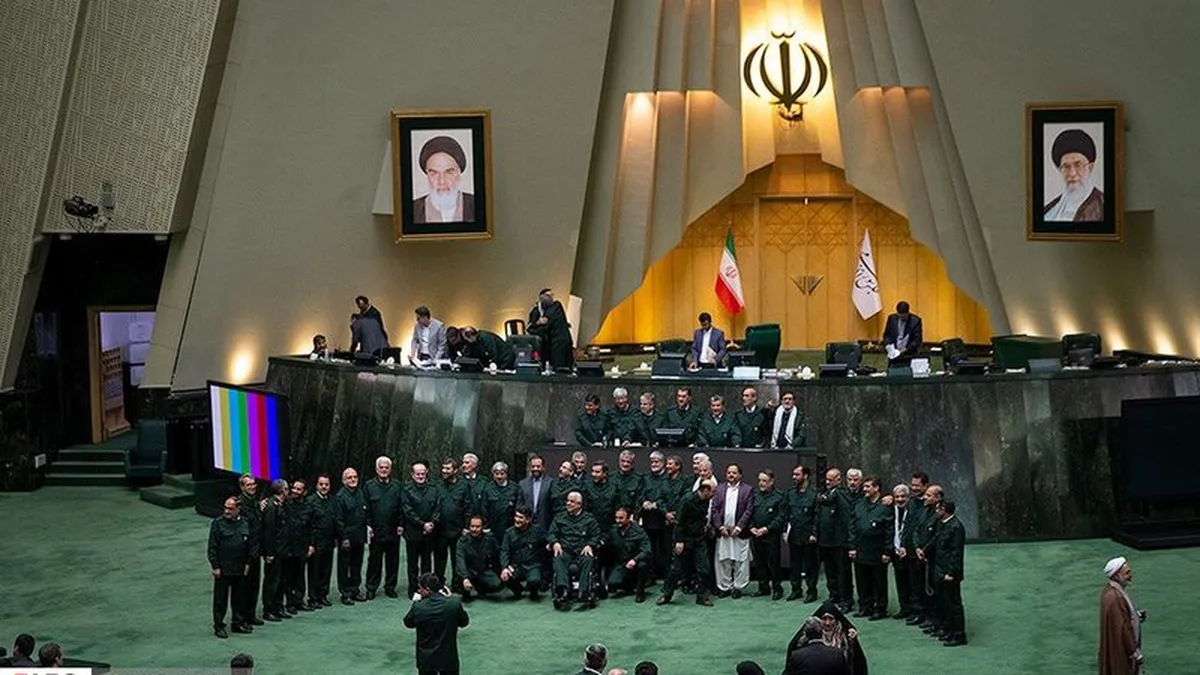
Iran officials pressure Trump on Middle East policy
Tehran's radical leadership abandons caution, betting on confrontation to fracture US alliances ahead of 2026 midterms
WASHINGTON — Iran's new leadership isn't just more radical than their predecessors. They're actively trying to manipulate Donald Trump into overreacting — and it might be working.
What's happening
• Revolutionary Guard veterans now control key ministries in Tehran
• Proxy attacks on US bases have tripled since January
• Iranian naval forces are testing new chokepoint strategies in the Gulf
Why it matters
• Oil prices could spike above $120 if tensions escalate further
• US military resources are already stretched across three theaters
• Midterm elections give Iran leverage over American political calculations
⬇ Full breakdown below
The shift in Tehran represents a fundamental break from decades of Iranian strategy. Where previous governments used proxies to maintain plausible deniability, current leaders are embracing direct confrontation as a feature, not a bug.
"They've calculated that Trump's instinct to hit back hard actually serves their interests," says Michael Chen, former CIA Iran desk chief now at Georgetown. "Every time he escalates, they can point to American aggression and rally domestic support."
Background
This isn't the Iran that negotiated the 2015 nuclear deal or even the regime that carefully managed tensions during Trump's first term. Revolutionary Guard commanders who spent the last decade fighting in Syria and Iraq now occupy civilian posts traditionally held by technocrats.
The leadership change occurred gradually after Supreme Leader Ali Khamenei's health declined in late 2025. Hardline clerics consolidated power by arguing that previous moderate approaches had failed to deter Western pressure.
Here's what most people are missing: Iran's new strategy isn't about winning a military confrontation. It's about fragmenting the US alliance system.
What Happened
The pattern emerged clearly in March. Iranian-backed militias struck three US bases in Iraq within 48 hours, knowing Trump would authorize immediate retaliation. When American airstrikes killed 40 militia members, Iran's foreign ministry accused Washington of "genocidal escalation."
But this is where it gets dangerous: regional allies are growing nervous about being pulled into another Middle East conflict.
"The Saudis and Emiratis are telling us privately they want no part of this," reveals a senior State Department official who requested anonymity. "They're worried Trump's responses are too predictable and too escalatory."
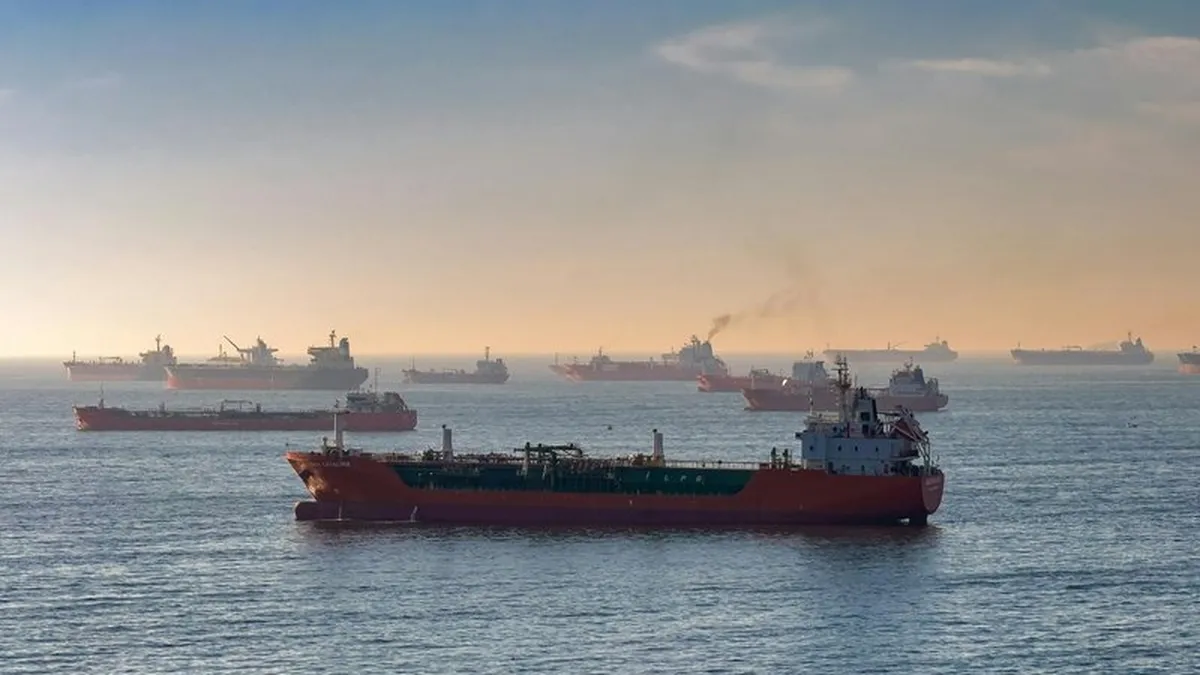
Iran's naval forces have simultaneously begun testing new tactics around the Strait of Hormuz. Rather than threatening to close the waterway entirely, they're creating enough uncertainty to keep insurance rates elevated and oil markets on edge.
Markets aren't reacting. They're panicking.
Regional Implications
The real calculation in Tehran centers on domestic American politics. Iranian intelligence services have extensively studied how prolonged Middle East engagements damaged previous presidents' approval ratings.
With midterm elections eight months away, every military response Trump authorizes carries political risk. If casualties mount or oil prices spike further, Republicans face potential losses that could reshape his final two years.
"They're betting that Trump will either overreact and hurt himself politically, or underreact and look weak," explains Sarah Rodriguez, senior fellow at the Atlantic Council's Middle East program. "Either outcome serves Iranian interests."
And this is what markets are really afraid of: Iran holds multiple pressure points simultaneously.
Proxy forces can strike US interests across Iraq, Syria, and Yemen. Naval harassment can disrupt shipping without triggering full-scale war. Cyber capabilities can target American infrastructure while maintaining deniability.
What Comes Next
The administration faces an impossible choice. Military restraint invites further Iranian provocations. Aggressive responses risk regional escalation that could consume Trump's remaining presidency.
Here's the catch: Iran's new leaders seem genuinely willing to accept higher risks than their predecessors. Veterans of asymmetric warfare in Syria believe they understand American limitations better than Washington understands theirs.
Energy markets are already pricing in sustained instability. Brent crude touched $119 this week, and traders expect further volatility through summer driving season.
But this is only part of the story. Iran's strategy depends on maintaining unity among its proxy network while avoiding the kind of massive retaliation that could threaten regime survival.
The real test hasn't even begun yet.
This analysis connects to broader questions about America's capacity for simultaneous confrontations across multiple theaters, a topic requiring deeper examination of current defense priorities.


Discussion