Iran, US deadlock over 15-year uranium gap kills talks
Tehran offers 5-year enrichment halt, Washington demands 20. The math that collapsed Pakistan negotiations may decide war or peace.
ISLAMABAD — The United States wants Iran to stop enriching uranium for two decades. Iran offered five years. That 15-year gap killed weekend talks in Pakistan and may determine whether this war ends or escalates into something much worse.
The dispute over uranium enrichment duration emerged as the central stumbling block when high-level negotiating teams met in Islamabad, according to multiple US officials briefed on the closed-door sessions. Not sanctions. Not ceasefire terms. Not even reconstruction aid. The timeline for Iran's nuclear program.
Those 15 years matter more than anything else on the table.
The breakout math
Iran currently enriches uranium to 60 percent purity — three steps away from weapons-grade material at 90 percent. The technical leap from 60 to 90 percent takes weeks, not years. Intelligence agencies call this "breakout capability."
Trump's negotiating team, led by special envoy Robert O'Brien, demanded Iran halt all enrichment for 20 years in exchange for lifting sanctions worth $200 billion annually. Iran's delegation, headed by Deputy Foreign Minister Ali Bagheri Kani, countered with five years maximum.
"The Iranians walked in with a five-year proposal like they were negotiating a car lease," said one senior State Department official who requested anonymity. "This is about nuclear weapons capability for the next generation."
The math is uncomfortable for both sides. Twenty years takes Iran's program past 2046 — well beyond any current leadership in Tehran or Washington. Five years barely covers two US presidential terms.
Iran's calculation
Iranian officials privately argue that 20 years amounts to permanent dismantlement of their nuclear infrastructure. The country spent four decades building its enrichment capability, much of it underground in fortified facilities that survived repeated Israeli airstrikes.
"They're asking us to surrender our nuclear sovereignty for a generation," said one Iranian negotiator who spoke on condition of anonymity. "No country would accept that."
But the real calculation is political survival. Supreme Leader Mojtaba Khamenei, who took power last month after his father's death in US-Israeli strikes, cannot appear to capitulate completely to American demands. The nuclear program remains popular among Iranian hardliners who keep him in office.
Iran also worries about what happens after 20 years. Would the US simply reimpose restrictions? Would Israel demand another extension? The Iranians want a defined endpoint where they regain full nuclear rights under international law.
Washington's red line
US officials say anything less than 20 years gives Iran too much flexibility to restart weapons development. They point to North Korea's pattern of agreeing to short-term restrictions, then breaking them once sanctions ease.
"Five years is a joke," said Michael Singh, senior fellow at the Washington Institute for Near East Policy. "That's barely enough time to verify compliance, let alone change Iran's strategic calculations."
The Trump administration also faces domestic political pressure. Congressional Republicans already criticize any deal with Iran as appeasement. A five-year restriction would face fierce opposition in the Senate, where treaty ratification requires 67 votes.
Secretary of State Marco Rubio, who attended part of the Pakistan talks via secure video link, reportedly told Iranian negotiators that Congress would never accept such a short timeline. "You're asking us to sell something we can't deliver," he said, according to one participant.
Saturday's collapse
The weekend talks collapsed Saturday evening when Iranian negotiators refused to budge beyond seven years — their final offer. American officials had already compromised from their opening position of 25 years to 20.
Pakistan's Foreign Minister Bilawal Bhutto Zardari, who hosted the talks, spent hours shuttling between hotel suites trying to find middle ground. Fifteen years. Twelve years. Ten years with review clauses.
Nothing worked.
"Both sides came with their maximalist positions and expected the other to blink first," said one Pakistani official involved in the mediation. "Neither did."
The breakdown occurred despite progress on other issues. Both sides had tentatively agreed on sanctions relief timelines, reconstruction funding for war damage, and even prisoner exchanges. The nuclear timeline remained the single insurmountable obstacle.
Market reaction, next steps
Pakistan is pushing for a second round of talks within two weeks, but US officials sound pessimistic. The uranium enrichment dispute reflects deeper mistrust about Iran's long-term intentions and America's commitment to any deal.
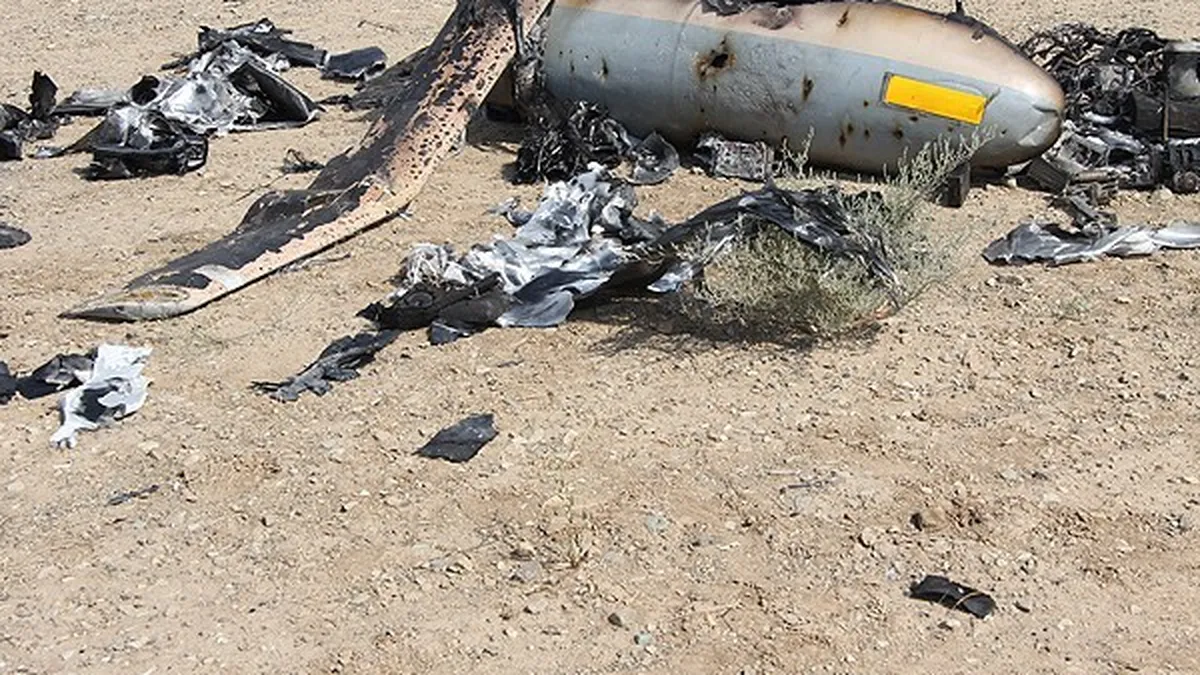
Iran continues enriching uranium to 60 percent at its Fordow and Natanz facilities, despite ongoing Israeli airstrikes. The country's stockpile has grown 40 percent since the war began in February, according to International Atomic Energy Agency reports.
Meanwhile, oil markets are pricing in extended conflict. Brent crude closed Friday at $89 per barrel — up 12 percent since the Pakistan talks collapsed.
The next diplomatic window may not open until after Iran's parliamentary elections in May. By then, both countries may be too invested in military solutions to step back from the brink.
Unless someone finds a way to split the difference on those 15 years.

Discussion