Trump orders uranium dig from Iran bomb sites
President details 'big machinery' plan to extract nuclear material from destroyed facilities as Pakistan pushes weekend deal
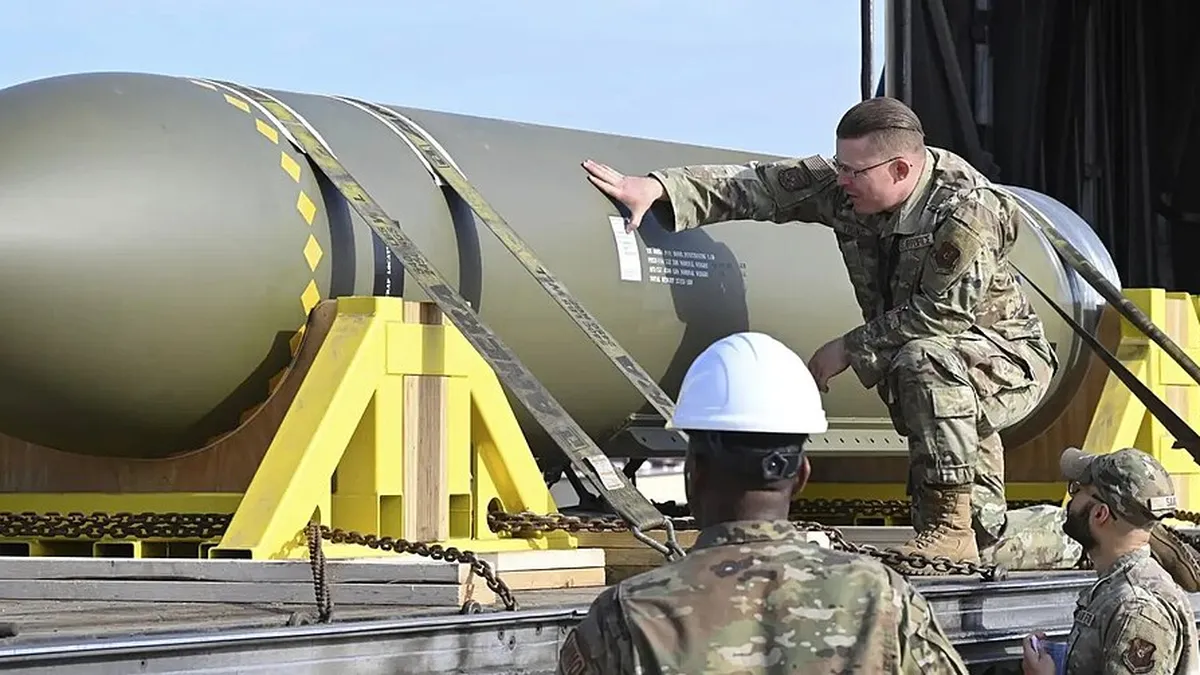
WASHINGTON — Trump told Reuters the US will physically extract uranium from Iran's bombed nuclear sites, using "big machinery" to recover what he called "nuclear dust" from facilities destroyed in last year's strikes.
The president's comments Friday mark the first time Washington has detailed how it plans to remove Iran's enriched uranium stockpile. A process that could take months. Requires specialized equipment to handle radioactive material scattered across multiple sites.
What the excavation means
Iran possessed over 900 pounds of uranium enriched to 60% purity before US-Israeli airstrikes hit its nuclear facilities in June 2025. Much of that material was buried under concrete and debris when Natanz, Fordow, and Isfahan were bombed.
"We're going to go in with Iran, at a nice leisurely pace, and go down and start excavating," Trump said. The phrase "leisurely pace" suggests the operation won't begin until a formal agreement is signed.
But here's the technical problem: extracting uranium from bombed facilities is not like digging up oil. The material could be contaminated with other radioactive elements. Some may have been vaporized in the explosions.
"You're essentially doing nuclear archaeology," said Matthew Bunn, a nuclear security expert at Harvard's Kennedy School. "This isn't a construction project. It's hazmat recovery on steroids."
Pakistan pushes for weekend breakthrough
A Pakistani official involved in the Iran-US mediation told Reuters both sides are "agreeing in principle" and could sign a memorandum of understanding as early as this weekend. A comprehensive deal would follow within 60 days.
Trump confirmed he's considering flying to Islamabad if negotiators reach an agreement. His first foreign trip since taking office in January.
The uranium recovery is just one piece of a broader package. Iran has agreed to keep the Strait of Hormuz open for the remainder of the ceasefire. The US will unfreeze billions in Iranian assets — though neither side specified the exact amount.
Multiple reports suggest $20 billion in frozen funds, but a senior Iranian official would only confirm "billions" without providing a timeline for release.
Markets bet on peace
Oil traders aren't waiting for the final signatures. Brent crude plunged $10 in Friday trading, falling from $98 to $88 per barrel after Iran's foreign minister declared the Strait "completely open" to commercial shipping.
Biggest single-day drop since the war began 47 days ago.
European markets closed up 2% on the news. The S&P 500 gained 1.2%. But shipping insurers remain cautious — Iranian mines are still floating in the Strait's shipping lanes.
Jakob Larsen, chief safety officer at maritime body BIMCO, warned operators the "traffic separation scheme is not declared safe for transit." Translation: ships are moving, but they're gambling with their hulls.
The uranium math doesn't add up
Trump's excavation plan assumes most of Iran's enriched uranium survived the bombing. Intelligence officials aren't certain that's true.
Satellite imagery from February showed new construction at Isfahan, suggesting Iran was rebuilding or securing damaged areas. But thermal signatures detected by US satellites indicate some uranium may have been dispersed beyond recovery.
"If you pulverize a nuclear facility, you don't get neat piles of uranium waiting to be scooped up," said a former IAEA inspector who requested anonymity. "Some of it becomes part of the rubble. Some becomes dust in the wind."
The International Atomic Energy Agency hasn't inspected Iran's bombed facilities since the strikes. Director General Rafael Grossi told reporters Thursday his inspectors would need access "the moment any agreement is signed."
What Trump isn't saying
The president hasn't explained who will actually do the digging. US troops? Iranian workers under American supervision? Private contractors?
Nuclear cleanup requires specialized teams trained in radiation protection. The US military has such units, but deploying them to Iran would be unprecedented.
Trump also hasn't addressed the legal framework. Under international law, Iran owns its uranium even if the US wants it removed. Any extraction would require Iranian consent and probably UN oversight.
Defense Secretary Pete Hegseth declined to comment on operational details when contacted by Reuters.
The bigger prize
For Trump, uranium removal serves a larger political goal: proving the Iran war achieved its stated objective of preventing Tehran from building nuclear weapons.
"A primary reason for the war was to prevent Iran from getting a nuclear weapon," Trump said Friday. Physically removing the enriched uranium would make that prevention permanent.
Iran continues to insist its nuclear program was always peaceful. But Supreme Leader Mojtaba Khamenei — who took power after his father Ali Khamenei was killed in February airstrikes — has shown more flexibility than his predecessor.
The next test comes this weekend in Islamabad, where negotiators will try to turn Trump's uranium recovery vision into a workable agreement. Pakistani mediators have given both sides until Sunday to reach a memorandum of understanding.
If they succeed, the excavation could begin within weeks. If not, the war enters its seventh week with winter approaching and oil prices climbing again.
Discussion