
Iran's young commanders adapt, extend war into month 7
28-year-old IRGC major represents shift as Tehran's military learns from Ukraine tactics, defying expectations of quick collapse
TEHRAN — Major Hossein Karimi hasn't slept properly in 47 days. Dark circles ring his eyes. His hands shake lighting cigarettes. But he keeps showing up to the underground bunker where Iran plans its war.
He's 28. And he represents something nobody saw coming when this started February 28.
Iran's military isn't breaking. It's evolving.
The pattern repeats everywhere now. Ukraine held against Russia. Gaza fighters outlasted Israeli strikes. Here in Iran, a country expected to fold in weeks has stretched this into month seven.
"We thought we understood modern warfare," said Michael Knights at the Washington Institute. "Precision strikes, overwhelming power, rapid collapse. But the weaker side keeps adapting."
Iran lost 40% of its air defenses in week one. Lost Natanz and Fordow nuclear sites. Lost Supreme Leader Ali Khamenei in the February strikes.
Didn't surrender.
Instead, command flattened. Younger officers took over. Operations went underground. The proxy-war country started fighting direct.
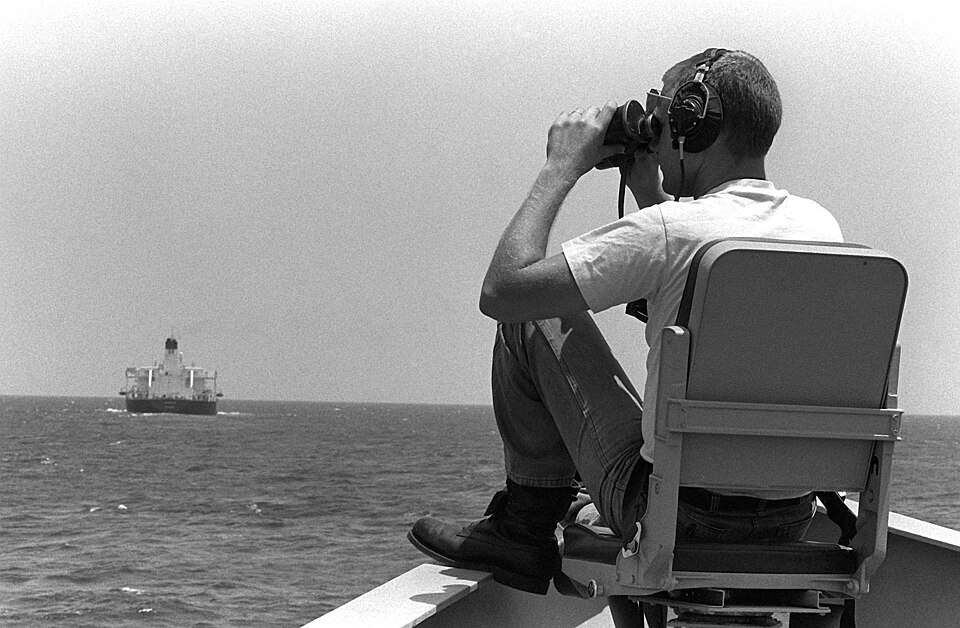
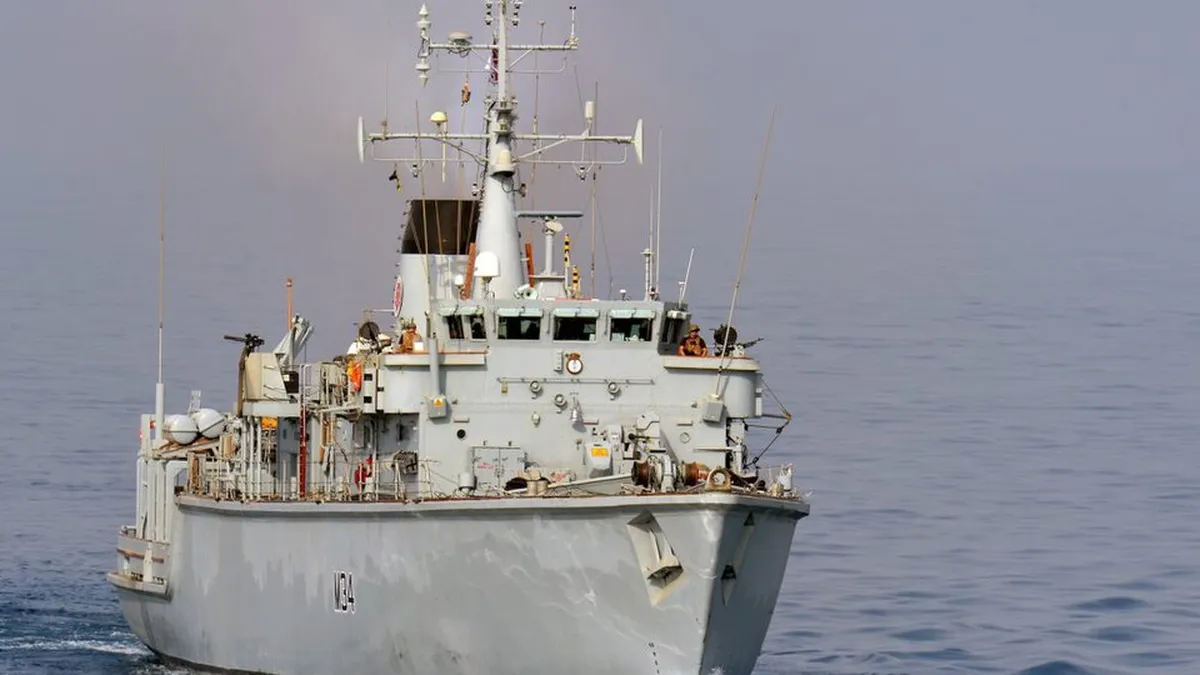
Karimi's unit operates from Iran-Iraq War tunnels. Soviet engineering that's proven tougher than expected. His men launch drone swarms from hidden sites. Strike Gulf tankers. Hit Israeli bases from Lebanon.
"Americans think we'll break," Karimi said through an interpreter. "We've prepared 40 years for this."
The math of resistance changed.
Drones cost $2,000 to build, $2 million to shoot down. Precision missiles get manufactured in basement workshops. Communications run on encrypted apps intelligence agencies can't crack.
Iran produces 500 attack drones monthly from dispersed facilities, Pentagon estimates show. Each employs under 50 people. Bomb one, two more appear.
Ukraine used similar tactics against Russia for two years. Hamas continues operations despite Israel's firepower advantage.
"We're seeing democratization of military technology," said Andrea Kendall-Taylor at the Center for a New American Security. "Smaller actors can inflict significant damage on larger opponents."
The human cost accumulates differently. Iran lost an estimated 15,000 military personnel since February. But civilian casualties stay relatively low — fighting happens in remote areas and underground.
Iranian cities function normally during daylight. Markets operate. Schools stay open. War exists parallel to civilian life rather than consuming it.
Economic pressure mounts.
Iran's oil exports dropped 73% under Trump's naval blockade. The rial lost 60% of its value since February. Food prices doubled in major cities.
Supreme Leader Mojtaba Khamenei, who took power after his father's death, restructured command around younger officers with battlefield experience. Average age of senior IRGC commanders dropped from 58 to 42.
These commanders think differently. Less ideology, more pragmatism. They study Ukrainian tactics. Adapt Israeli innovations. Learn from mistakes in real time.
"This generation grew up watching modern conflicts," said Behnam Ben Taleblu at the Foundation for Defense of Democracies. "They understand asymmetric warfare their predecessors didn't."
Global implications spread.
If smaller forces can sustain prolonged resistance against superior opponents, conflict calculus changes. Quick victories become less likely. Political costs of extended wars increase.
China watches Iran's resistance strategies. Taiwan studies Iran's tunnel networks. North Korea examines drone production methods.
"Every conflict becomes a laboratory now," said retired General David Petraeus. "Tactics that work get copied globally within months."
Washington faces a question: do extended conflicts serve American interests? Iran's economy suffers under blockade. But American military resources get tied up in the Gulf. European allies grow weary of another long war.
Trump threatened escalation if Iran doesn't surrender by May 1. But escalation assumes Iran will break under additional pressure.
Karimi suggests otherwise. "We learned to fight your kind of war," he said. "Now you must learn ours."
The next test comes April 22, when OPEC+ meets on oil production quotas. Iran's absence from global markets drove prices to $127 per barrel. But continued resistance prevents any return to normal production.
Neither side achieved original objectives. Both keep fighting.


Discussion