
Why Pakistan's Iran-Israel Truce Plan Won't Work
Islamabad's two-stage proposal faces Tehran's refusal to reopen Hormuz strait during temporary ceasefire talks
TEL AVIV — Pakistan just threw itself into the middle of the most dangerous military standoff in decades. But Tehran's response to Islamabad's two-stage truce proposal reveals exactly why this conflict won't end with diplomatic half-measures.
What's happening
• Pakistan has presented a phased ceasefire plan to both Washington and Tehran
• Iran refuses to reopen the Strait of Hormuz during any temporary truce
• Oil markets remain volatile as shipping routes stay disrupted
Why it matters
• Hormuz closure affects 21% of global petroleum liquids
• Regional allies are choosing sides in ways that reshape Middle East power
• Trump administration faces first major foreign policy test of second term
⬇ Full breakdown below
Pakistan's Calculated Gamble
Islamabad's intervention represents a dramatic shift in regional diplomacy. Pakistan, traditionally focused on India and Afghanistan, now positions itself as a power broker between Washington and Tehran. The two-stage proposal reportedly includes immediate cessation of military strikes followed by broader negotiations on sanctions relief.
But here's the catch: Iran's refusal to discuss Hormuz reopening during preliminary talks exposes the fundamental problem with graduated approaches to this crisis.
"Pakistan is playing a dangerous game," says former Israeli intelligence analyst David Menashri. "They're offering solutions that don't address Iran's core strategic calculation — that keeping Hormuz closed is their strongest leverage."
Why Tehran Won't Budge
Iran's position on Hormuz reveals sophisticated strategic thinking that most Western analysts are missing. Tehran isn't just flexing military muscle — it's fundamentally restructuring the regional balance of power.
The Islamic Republic understands that reopening shipping lanes during ceasefire talks would eliminate their primary negotiating advantage. Oil prices would normalize, international pressure would decrease, and Washington would have less incentive to offer meaningful concessions.
Here's what most people are missing: Iran learned from previous negotiations that temporary agreements often become permanent stalemates that favor the status quo.
"Iran sees partial measures as traps," explains regional security expert Sarah Feuer at the Washington Institute. "They want comprehensive deals or nothing — and right now, they hold the cards."
Regional Implications
Pakistan's mediation attempt signals broader realignment across the Muslim world. Countries that previously stayed neutral in US-Iran tensions now face pressure to choose sides as economic costs mount.
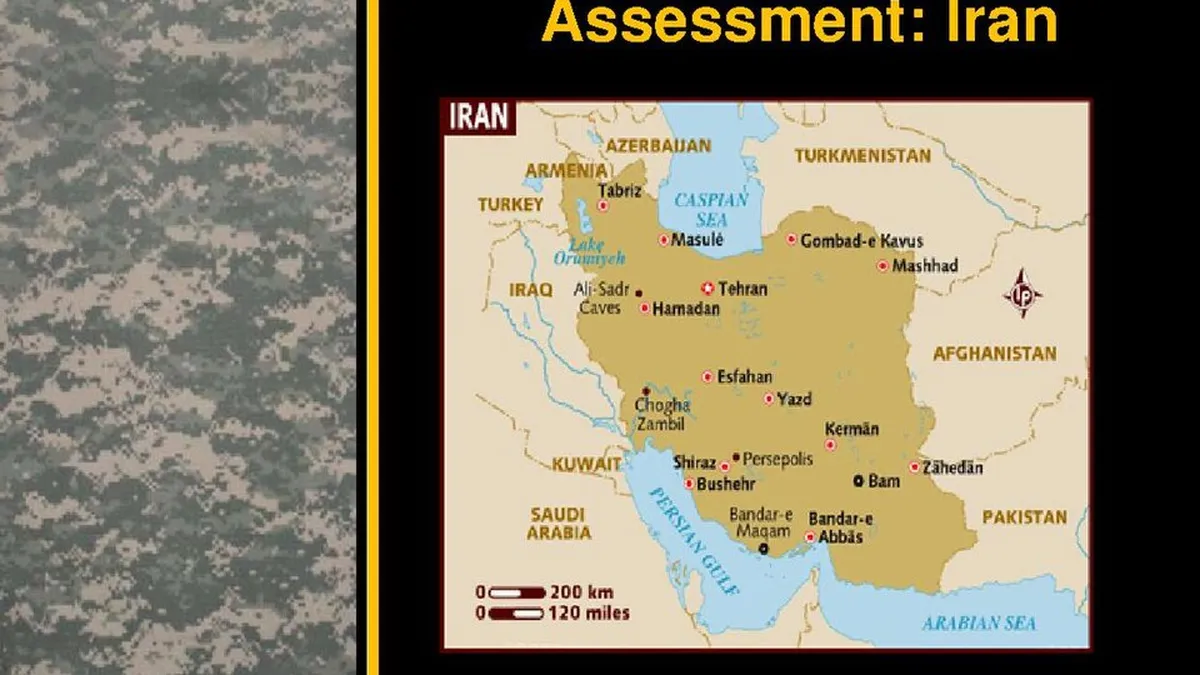
The Strait of Hormuz closure has already triggered energy shortages across South Asia, forcing Pakistan to seek alternative suppliers at premium prices. Islamabad's diplomatic initiative serves domestic economic interests as much as regional stability.
This is where it gets dangerous: if Pakistan's plan fails, other regional powers may attempt their own interventions, potentially creating competing diplomatic tracks that complicate rather than resolve the crisis.
What Comes Next
Trump administration officials remain publicly silent on Pakistan's proposal, but private responses suggest skepticism about Iran's willingness to make substantive concessions. The president's track record indicates preference for maximum pressure over graduated diplomacy.
Markets aren't reacting to Pakistan's initiative because traders understand the fundamental dynamic: Iran won't reopen Hormuz without guarantees that go far beyond temporary truces.
The real test comes in the next 72 hours as both Washington and Tehran provide formal responses to Islamabad's proposal. Early signals suggest neither side views Pakistan's framework as addressing their core concerns.
What happens next may determine whether this crisis escalates into broader regional conflict or finds an off-ramp that preserves face for all parties. Based on Iran's initial response, the odds favor escalation over de-escalation.
Readers seeking deeper context on US-Iran diplomatic history may find value in examining previous nuclear negotiations and their outcomes.


Discussion