Why Iran's Opposition Now Regrets Backing Israeli Strikes
Once-supportive Iranians face harsh reality as infrastructure crumbles and regime survives intact
TEL AVIV — The silence that followed the final US-Israeli airstrikes on Iran this week carries an uncomfortable truth for many Iranians who cheered the bombing campaign's launch.
What's happening
• Infrastructure across Iran severely damaged from sustained air campaign
• Regime structure and leadership completely intact despite strikes
• Iranian opposition supporters questioning their initial support
Why it matters
• Exposes limits of military intervention for regime change
• Iranian civilians bear cost while government survives
• Regional powers reassessing effectiveness of air campaigns
⬇ Full breakdown below
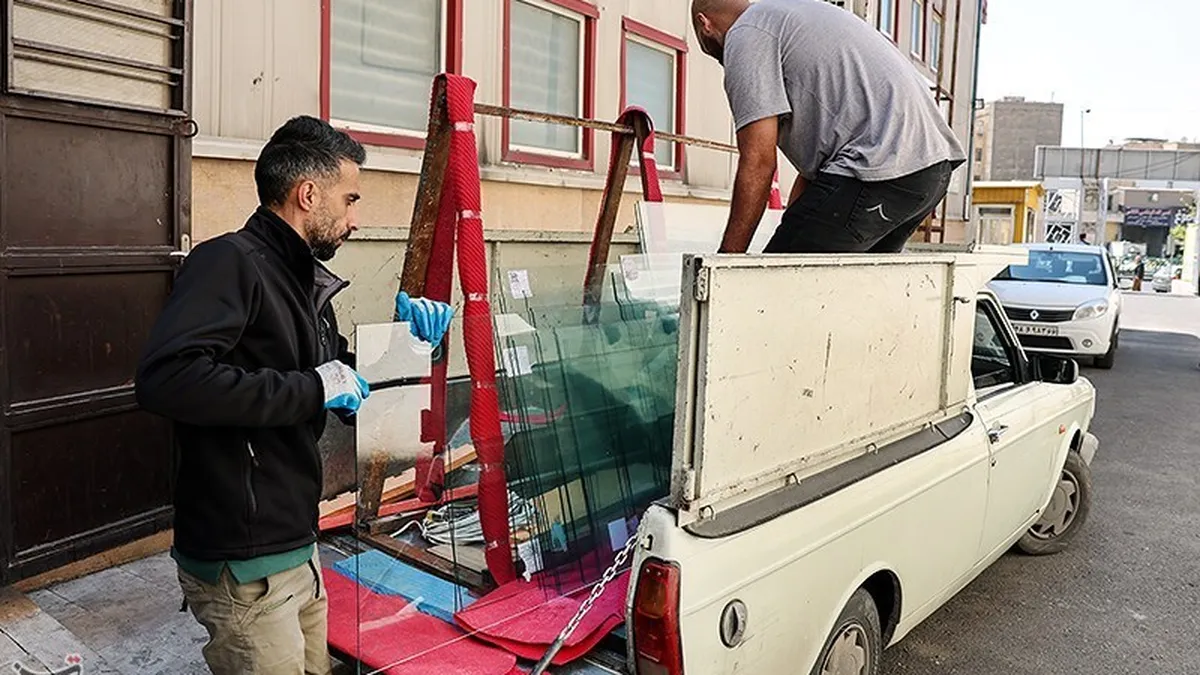
Sharif University of Technology sits in rubble today, its research facilities destroyed by precision missiles that promised surgical strikes against military targets. The Iranian flag still flies over the debris — a symbol of what many opposition supporters now call their miscalculation.
"We thought the strikes would weaken the regime's grip on power," said Reza Mohammadi, a Tehran-based engineer who initially supported the campaign. "Instead, we're left with broken infrastructure and the same government."
This is where it gets complicated.
What Went Wrong
The three-week bombing campaign targeted missile facilities, drone production centers, and nuclear research sites with unprecedented precision. Yet Supreme Leader Ali Khamenei appeared publicly yesterday, his authority seemingly undiminished by weeks of international pressure.
Iranian opposition figures who privately encouraged Western strikes now face a harsh reality: military intervention rarely translates into political transformation. The Islamic Revolutionary Guard Corps maintains control, key ministries function normally, and the clerical establishment shows no signs of internal collapse.
"Regime change through airpower alone is a fantasy," said Dr. Sarah Feuer, Middle East analyst at the Washington Institute. "You can destroy buildings, but not political systems."
The Infrastructure Cost
Power outages plague major cities. University laboratories lie in ruins. Transportation networks operate at reduced capacity. The strikes achieved their immediate military objectives while creating long-term civilian hardship.
Here's what most people are missing: the bombing campaign may have actually strengthened the regime's narrative of foreign aggression. Government-controlled media broadcasts images of damaged civilian infrastructure alongside American and Israeli military statements, reinforcing themes of victimization and external threat.
This is where the opposition's calculation breaks down.
Regional Implications
The Iranian experience sends warning signals across the Middle East about the limitations of air campaigns. Syria's Assad survived years of international pressure and limited strikes. Libya's post-intervention chaos offers another cautionary tale.
"Military strikes create power vacuums, not democratic transitions," observed former Israeli intelligence official Amos Yadlin. "Iran's case proves this pattern holds even with precision targeting."
Regional autocrats are likely drawing their own lessons about survival strategies during international pressure campaigns.
What Comes Next
Iran's opposition now confronts a difficult recalibration. Supporting foreign military intervention carried moral and practical risks that many underestimated. The regime emerges politically intact while ordinary Iranians face infrastructure damage and economic disruption.
The Supreme Leader's survival also demonstrates the resilience of authoritarian systems under external pressure. Unlike revolutionary movements that build from internal dissent, foreign strikes often consolidate rather than fragment authoritarian control.
And this is what happens next — and it's not pretty.
The Islamic Republic will likely use reconstruction efforts to deepen state control over damaged sectors. International sanctions complicate rebuilding while regime loyalists manage resource distribution. Opposition supporters face the prospect of extended hardship without meaningful political gains.
The strikes are over, but Iran's political stalemate has only deepened. For opposition supporters who welcomed foreign intervention, that reality may prove the heaviest burden of all.

Discussion