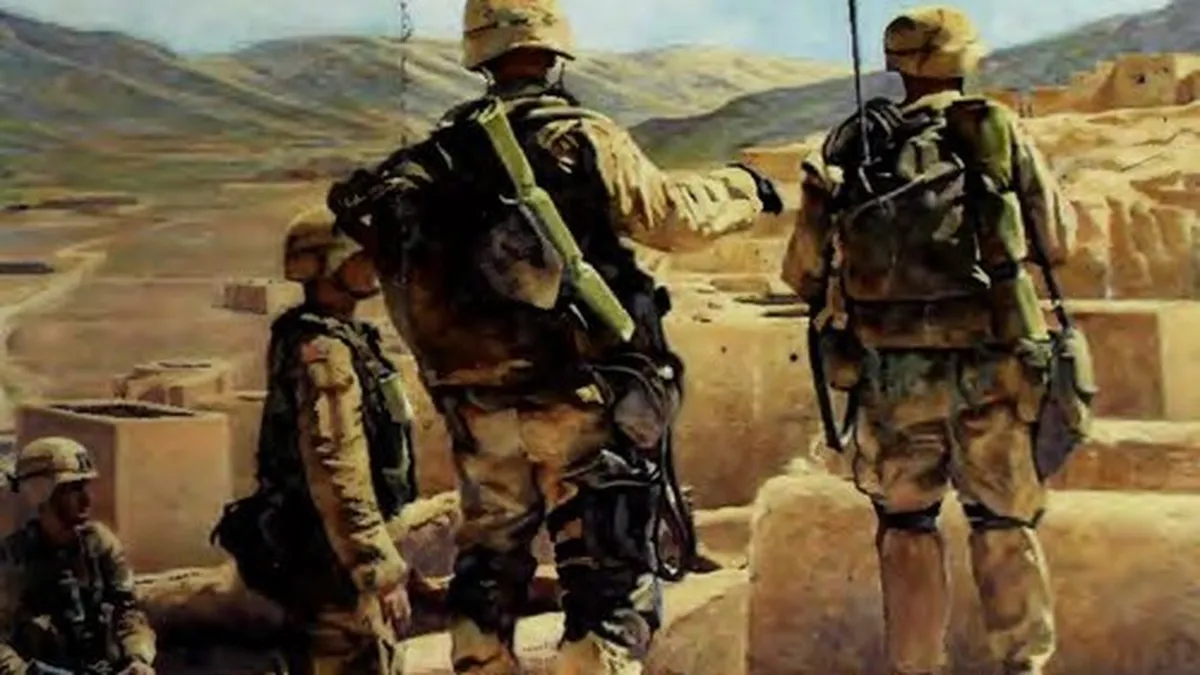
Pentagon burns $720M in aircraft as Iran war drags on
Loss rates exceed Vietnam as Iranian air defenses prove more resilient than expected. Industrial base can't keep pace.
WASHINGTON — The Pentagon has burned through $720 million worth of aircraft in six weeks. That's just the stuff they're willing to count.
Not the infrastructure hits. Not the classified systems. Not the real number.
That figure comes from CBS News tallying combat losses since Operation Epic Fury kicked off February 28. But here's the thing — it only tells part of the story.
The bleeding
Twenty-four MQ-9 Reaper drones down since April 1 alone. Each one costs $30 million. Do the math.
The single biggest hit: one MQ-4C Triton surveillance drone in the Persian Gulf. Price tag: $240 million. That's more than two F-35 fighters. Gone in a flash.
"We're seeing attrition rates we haven't experienced since Vietnam," said Mark Cancian, senior adviser at the Center for Strategic and International Studies. "The difference is the unit costs are exponentially higher."
An E-3 AWACS — the flying radar plane — went down over the Gulf. Cost: $270 million, not counting crew training. The Pentagon won't say how many were aboard.
At least three F-35 Lightning II fighters lost to Iranian surface-to-air missiles. Each jet runs $100 million in current configuration. Two pilots ejected safely. The third case remains classified.
Why the plan failed
Iran's integrated air defense system was supposed to fold in 72 hours. Didn't happen.
Instead, Iranian S-300 batteries — souped up with domestic modifications — keep engaging US aircraft. Mobile Bavar-373 systems shoot and scoot after each engagement. American pilots report "dense threat environments" over Tehran and Isfahan.
The operational tempo explains some of the carnage. US forces have hit 13,000 targets in 47 days. That's 276 targets daily — higher than the opening phases of both Gulf Wars combined.
"You're going to take losses flying this many sorties," said retired Air Force Colonel John Venable, now with the Heritage Foundation. "But these numbers suggest Iranian air defenses are tougher than intelligence assessments indicated."
What's shooting back
Iranian air defenses adapted faster than Pentagon planners expected. The Revolutionary Guard's aerospace division retrofitted Soviet-era systems with homegrown radars. Harder to jam.
Iran's drone swarms — launched from mobile platforms — force US aircraft into lower altitudes where shoulder-fired missiles work. The Pentagon calls it "layered degradation" of air superiority.
Three Iranian Shahed-238 drones smacked a forward operating base in eastern Iraq last week, damaging two more F-35s on the ground. Repair costs: $40 million each.
But here's what CBS missed: infrastructure damage to US bases across the region. Iranian ballistic missiles pounded Al Udeid Air Base in Qatar, causing $200 million in runway and hangar damage. Al Dhafra in the UAE took similar hits.
The CSIS estimate of $1.4 billion in total US losses covers only the first six days. The real number climbs higher.
The math problem
Pentagon procurement officials are scrambling. MQ-9 production lines can deliver 24 units annually. The US lost that many in 16 days.
Triton replacement? The Navy ordered 68 total. Losing one represents 1.5% of the entire fleet.
"We're consuming high-end assets faster than we can replace them," said one defense official, speaking on condition of anonymity. "This is the industrial base problem nobody wanted to face."
Lockheed Martin stock jumped 3% Tuesday on reports of accelerated F-35 orders. Northrop Grumman — which makes the Triton — saw similar gains.
Emergency requests
Air Force Chief of Staff General David Allvin briefed Congress behind closed doors Monday. Sources familiar with the session say he requested emergency funding for "combat replacement aircraft."
The request reportedly seeks $2.8 billion for immediate procurement. That covers 28 F-35s, 12 MQ-9s, and one Triton replacement.
Iran's Supreme Leader Mojtaba Khamenei referenced US aircraft losses in a speech Tuesday, claiming Iranian forces had "broken the myth of American air dominance." US Central Command declined comment.
The broader question: whether current loss rates are sustainable if operations stretch beyond summer. Pentagon war games assumed 60-day campaigns with 15% aircraft attrition. Iran is now in week seven.
"We planned for a short, decisive campaign," said the defense official. "We're getting a grinding air war instead."
What's next
The next AWACS deployment to the region has been delayed pending "tactical assessment" of Iranian capabilities. Translation: commanders are rethinking exposure of high-value assets.
Congressional defense appropriators meet Thursday to review supplemental funding requests. The $2.8 billion aircraft replacement package will face tough questions about operational planning assumptions.
Iran's parliament convenes Saturday to approve additional air defense spending. Intelligence assessments suggest they're buying more S-400 systems from Russia despite sanctions.
The air war grinds on. So does the accounting.

Discussion