
Istanbul Attack Signals Iran-Israel Shadow War Goes Global
Gunman's death outside Israeli consulate marks dangerous escalation as regional conflict spills into NATO territory
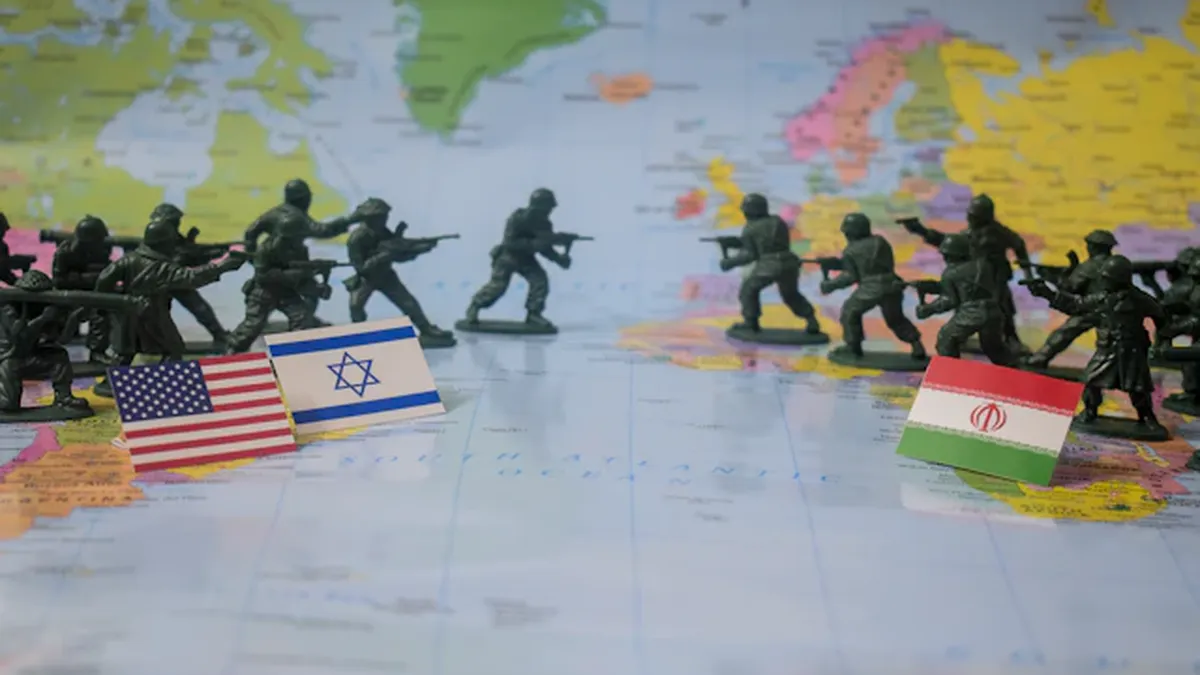
ISTANBUL — The gunman who died outside Israel's consulate here Tuesday morning wasn't just another lone wolf. His death marks the moment when the Iran-Israel shadow war officially went global.
What's happening
• Armed attacker killed outside Israeli diplomatic facility in Istanbul
• Erdogan condemns "treacherous attack," vows anti-terrorism crackdown
• First major spillover of regional tensions into NATO territory
Why it matters
• Regional conflict now threatens alliance stability
• Turkey's delicate balancing act between NATO and regional powers under strain
• Intelligence networks operating openly on European soil
⬇ Full breakdown below
President Recep Tayyip Erdogan's swift condemnation signals how seriously Ankara views this breach of its security climate. "We will continue our fight against all kinds of terrorism, and we will not allow provocations to harm Turkey's climate of security," he declared in a televised address.
But this isn't about terrorism in the traditional sense.
Background
Turkey has spent months trying to thread an impossible needle — maintaining NATO membership while preserving relationships across the fractured Middle East. The country hosts both Israeli diplomatic missions and maintains complex ties with Iran through energy partnerships and regional diplomacy.
"This attack represents a fundamental shift in how proxy conflicts operate," said Dr. Elena Vasquez, Istanbul-based security analyst. "We're seeing Iranian-Israeli tensions manifest in the heart of Europe now."
The timing is no coincidence. President Trump's intensified sanctions regime has pushed Iranian operatives to seek new theaters of operation, while Israel's expanded intelligence activities have created a global cat-and-mouse game.
Here's what most people are missing: Turkey's reaction reveals more about regional power dynamics than the attack itself.
What Happened
The gunman's identity remains classified, but intelligence sources suggest this wasn't a spontaneous act. The target selection — an Israeli consulate in NATO's second-largest military power — sends a calculated message about escalation thresholds.
Erdogan's emphasis on "provocations" indicates Turkish intelligence likely identified this as part of a broader campaign. The President's team understands that Istanbul serves as a crucial intelligence hub where multiple regional powers maintain extensive operations.
This is where it gets dangerous: Turkey now faces pressure to choose sides in a conflict it desperately wants to avoid.
Regional Implications
The attack exposes the limits of containment strategies. What began as targeted strikes between Iran and Israel has now reached into the heart of NATO territory, forcing alliance members to confront an uncomfortable reality.
"European capitals are waking up to the fact that Middle East conflicts don't respect borders anymore," explained Ambassador James Richter, former NATO deputy secretary-general. "This isn't just about regional stability — it's about alliance cohesion."
Turkey's response will set precedents for how NATO handles proxy conflicts on member soil. Ankara cannot appear weak, but aggressive retaliation risks escalating beyond Turkey's control.
And this is what markets are really afraid of: economic disruption from security crackdowns across major trade routes.
What Comes Next
Expect Turkish authorities to intensify surveillance of foreign intelligence operations while publicly maintaining neutrality. Erdogan will likely use this incident to justify expanded security measures that could affect both Iranian and Israeli networks.
The broader question is whether other NATO capitals are prepared for similar spillovers. Intelligence agencies across Europe are already reassessing threat levels and diplomatic security protocols.
Here's what happens next — and it's not pretty: if these attacks become routine, alliance solidarity will face its most serious test since the Cold War.
The real challenge isn't stopping individual attackers. It's preventing the Iran-Israel conflict from fragmenting NATO unity when Trump needs European support for his maximum pressure campaign. What started as a regional dispute may end up reshaping transatlantic security architecture.
Readers seeking context on Turkey's complex regional relationships should examine the country's evolving diplomatic strategies across the Eastern Mediterranean.

Discussion