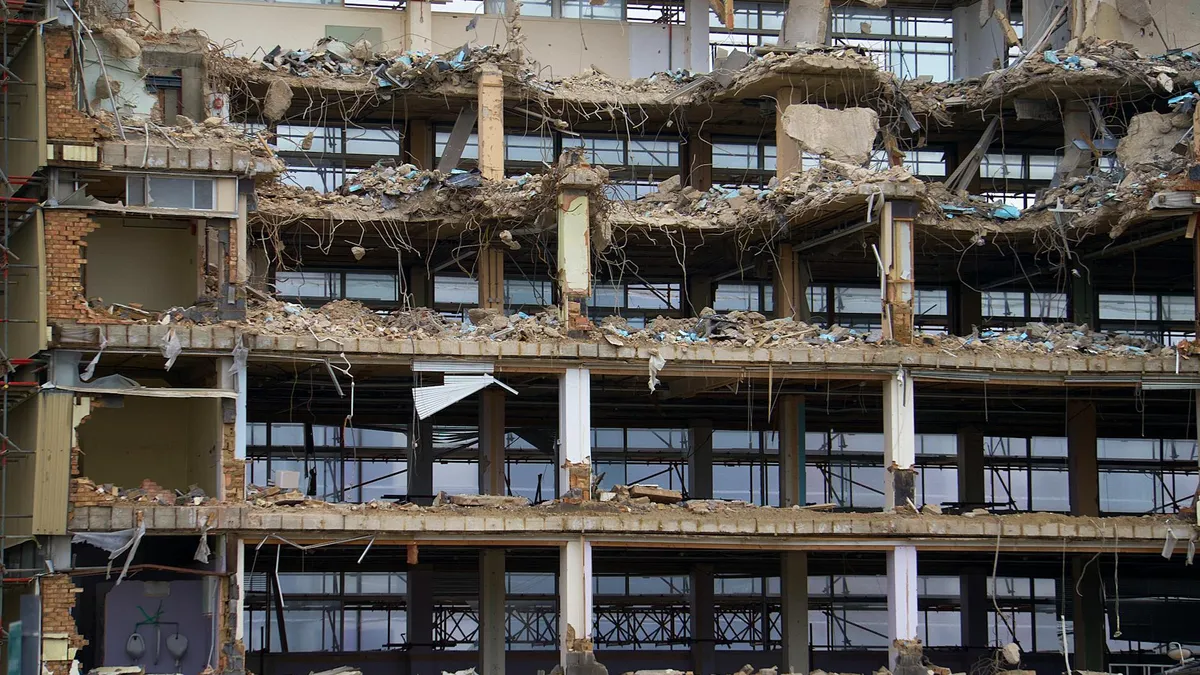
Israel Hits Lebanon Emergency Workers In New Strike
Ten killed as Israeli forces target paramedics in systematic campaign that signals wider escalation beyond Gaza conflict.
BEIRUT — Mahmoud Fares had been a paramedic in southern Lebanon for eight years. On Saturday morning, he responded to his final emergency call in Nabatieh city. By noon, he and two colleagues were dead, killed in what Lebanese officials describe as Israel's systematic targeting of emergency workers.
What's happening
• Israeli strikes killed 10 people across southern Lebanon Saturday
• Three emergency workers died in targeted attacks on Nabatieh city
• Lebanese health ministry condemns systematic targeting of first responders
Why it matters
• Signals potential expansion of conflict beyond Gaza
• Targeting emergency workers violates international humanitarian law
• Could trigger broader regional escalation involving Hezbollah
⬇ Full breakdown below
Escalation Beyond Gaza
The strikes represent Israel's most lethal cross-border operation in Lebanon since October, when sporadic exchanges began following the Gaza conflict. Unlike previous incidents involving military targets, Saturday's attacks deliberately hit civilian emergency infrastructure in Nabatieh, a city 20 kilometers from the Israeli border.
"This is not collateral damage," said Marwan Abboud, director of the Lebanese Crisis Observatory at the American University of Beirut. "Targeting paramedics represents a calculated escalation designed to degrade Lebanon's emergency response capacity."
The targeting pattern suggests Israeli forces are implementing lessons learned from Gaza operations, where systematically destroying emergency services proved effective in limiting civilian rescue operations.
Strategic Implications
For Israel, the expanded strikes serve multiple purposes. They pressure Hezbollah without triggering full-scale war, test international response to cross-border operations, and potentially create buffer zones along the northern frontier.
But the calculus carries significant risks. Each civilian death in Lebanon strengthens Hezbollah's domestic support and provides justification for retaliation. The group has remained relatively restrained despite months of border tensions, focusing on limited military exchanges rather than escalation.
"Hezbollah is walking a tightrope," explains Matthew Levitt, director of counterterrorism studies at the Washington Institute. "They need to respond to maintain credibility, but full escalation would devastate Lebanon's fragile recovery."
Regional Powder Keg
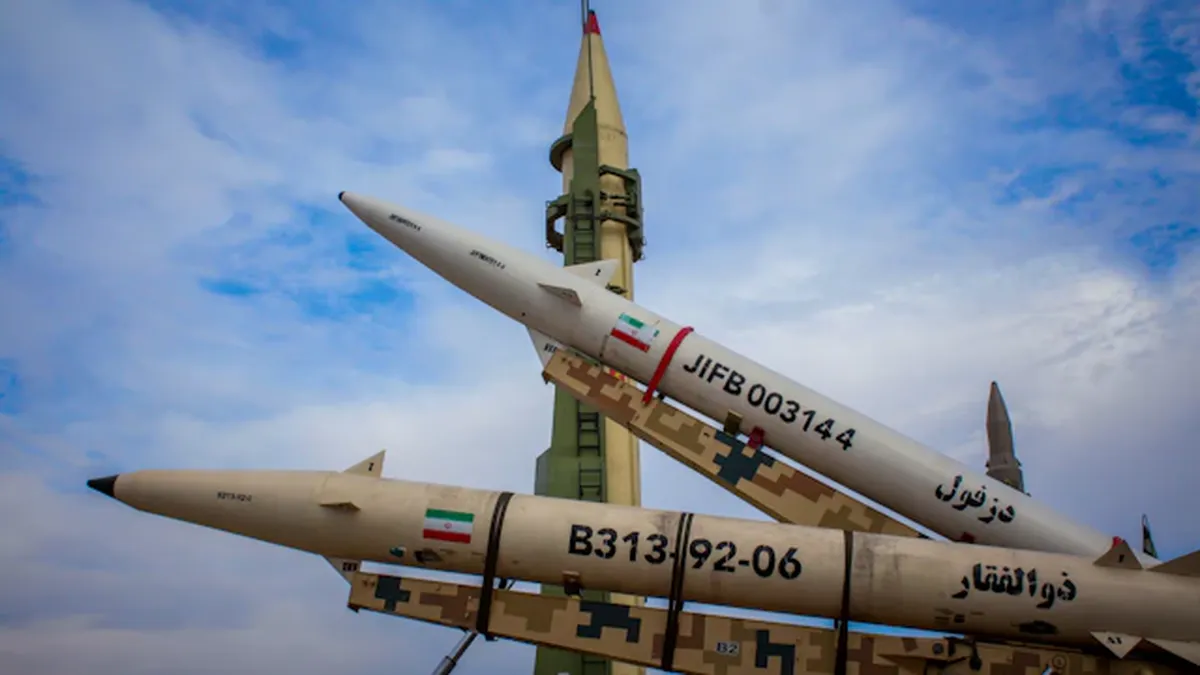
The Lebanon strikes occur as regional tensions peak across multiple fronts. Iran continues uranium enrichment activities, Syrian government forces clash with Israeli-backed groups, and Houthi attacks on Red Sea shipping persist despite international intervention.
Each incident creates pressure for retaliation, building momentum toward broader conflict. Emergency workers represent particularly sensitive targets under international law, potentially triggering stronger diplomatic responses from European allies already concerned about civilian casualties.
The timing matters critically. President Trump's administration has signaled stronger support for Israeli operations while simultaneously pushing for regional de-escalation through economic incentives. Saturday's strikes test those competing priorities.
What Comes Next
Hezbollah's response will determine whether this remains isolated escalation or triggers wider conflict. The group faces domestic pressure to retaliate while balancing Lebanon's economic crisis and international isolation.
Watch for three key indicators over the next 72 hours: Hezbollah's official statement on targeting emergency workers, any movement of Iranian military advisors toward the Lebanese border, and whether Israel continues strikes beyond military targets.
If emergency worker deaths become systematic rather than isolated, expect international pressure to mount rapidly. The precedent matters far beyond Lebanon – it signals Israel's willingness to target civilian infrastructure across the region.

Discussion