
Iran offers half of Hormuz strait, oil drops $2.40
Tehran's first concession since closing chokepoint would free Omani shipping lane but leaves mines, Israeli access unresolved
TEHRAN — Iran offered to let commercial ships transit the Omani side of the Strait of Hormuz without attack, according to a source briefed on Washington-Tehran negotiations.
First concrete concession since Supreme Leader Mojtaba Khamenei choked off 20% of global oil seven weeks ago. But the conditions may kill any deal.
What Iran is actually offering
Vessels could use Omani territorial waters in the southern shipping lane. No attacks. No boarding. Free passage for 400-plus tankers trapped since February 28.
But Tehran won't say if it will clear underwater mines from that corridor. Won't say if Israeli-flagged vessels get through.
Those details matter. Without mine clearance, insurers won't cover transits. Without Israeli access, Washington walks.
"This is Iran testing how desperate we are," said Michael Knights, Gulf military analyst at the Washington Institute. "They're offering half a strait and calling it progress."
The proposal hinges on Trump meeting Tehran's broader demands. Sanctions relief. Security guarantees for Iran's new leadership. Details undisclosed.
Why traders aren't buying it
The Omani side carries 60% of normal strait traffic under optimal conditions. Enough to restart some oil flows. Nowhere near pre-war levels of 21 million barrels daily.
Brent crude fell $2.40 to $93.60 Wednesday on news of the proposal. Recovered to $95.80 by Thursday close. Traders smell a trap.
"Iran gives with one hand, takes with the other," said Amrita Sen, chief oil analyst at Energy Aspects in London. "They've mined both sides. Offering one side unmined isn't a concession — it's ransom."
The math stings Washington. Even partial reopening would ease $96 oil pressure. Give Trump a political win. But accepting Iran's terms legitimizes Mojtaba Khamenei just two months after his father died in US airstrikes.
The mine problem nobody talks about
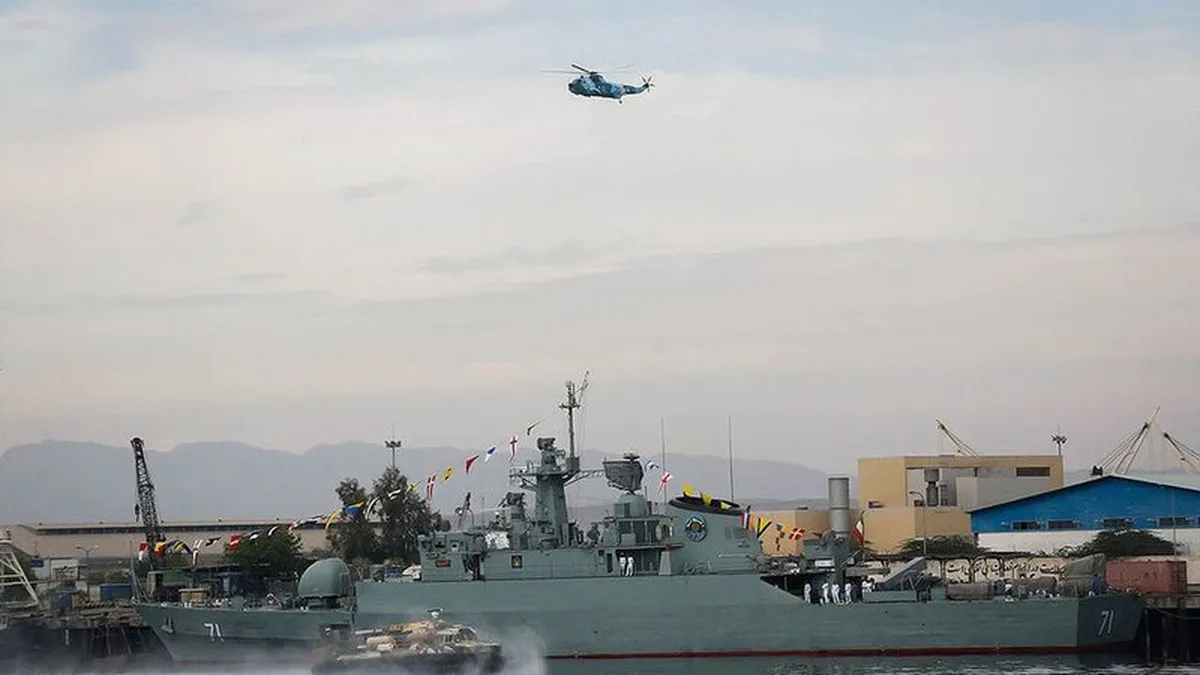
Pentagon officials privately admit they don't know how many mines Iran deployed before closure. Satellite imagery shows Iranian naval vessels in both channels. Underwater surveillance remains limited.
Iran's Revolutionary Guard spent twenty years preparing for this. Magnetic mines. Remote-controlled explosive boats. The new Supreme Leader inherited that arsenal with his father's war.
"Mojtaba is proving he's not his father," said Behnam Ben Taleblu, Iran researcher at Foundation for Defense of Democracies. "Ali Khamenei closed the strait completely. The son offers partial reopening."
Pragmatism or weakness? The distinction matters for negotiations. A pragmatic Iran accepts limited sanctions relief for partial access. A weak Iran gets pressed for complete reopening without major concessions.
What the admirals are watching
US Fifth Fleet maintains twelve warships in Gulf waters. Up from the usual four. But military officials say clearing Iranian mines would take weeks. Significant casualties among Navy divers.
"We can force the strait open," one Pentagon official said anonymously. "But we can't force it to stay open. Iran just plants new mines."
The Iranian proposal acknowledges that reality. By offering the Omani side freely, Tehran signals it controls both sides. Can close them again at will.
Israeli officials haven't commented publicly. But Netanyahu's government faces pressure to maintain Gulf access. Israel imports 40% of its oil through Hormuz-transiting tankers.
Pakistan's shuttle diplomacy
Pakistani mediators have shuttled between Washington and Tehran for three weeks. Carrying proposals both sides refuse to discuss publicly. Foreign Minister Bilawal Bhutto-Zardari met Iranian officials Tuesday. No details offered.
Pakistan's motivation is economic. The country imports 80% of its oil through the strait. Faces fuel shortages that could trigger unrest. Prime Minister Shehbaz Sharif needs this resolved before summer heat drives energy demand higher.
"Pakistan is the only country both sides trust right now," said Mosharraf Zaidi, Pakistani foreign policy analyst. "That makes Islamabad indispensable but not influential."
Next Pakistan-mediated talks scheduled April 22 in Doha. Iranian negotiators arrive with 31 officials. Smaller than usual but large enough to suggest serious intent.
Three things must happen for partial reopening. Iran clears mines from Omani corridor. Insurance companies agree to cover transits. Both sides establish monitoring to prevent renewed closure.
None guaranteed. The alternative is another month of $90-plus oil and growing pressure on Trump to end this through military force rather than diplomacy.


Discussion