
Iran brings 47-person 'war committee' to Pakistan talks
Tehran's massive delegation includes military planners as regime spokesman warns of 'next round of war' while negotiating ceasefire
ISLAMABAD — The Iranian negotiating team that arrived here last week brought 47 people. That is not a diplomatic delegation. That is a military planning committee disguised as peace talks.
Professor Mohammad Marandi, the regime's chief spokesman at the talks, confirmed Tuesday that Iran's aircraft faced "urgent security threats" en route to Pakistan and took an alternative route home "after confirming that the delegation was under attack." He did not specify who was targeting them.
More telling was what Marandi said next: "We are also being very busy preparing ourselves for the next round of war."
Iran's war machine grinds on
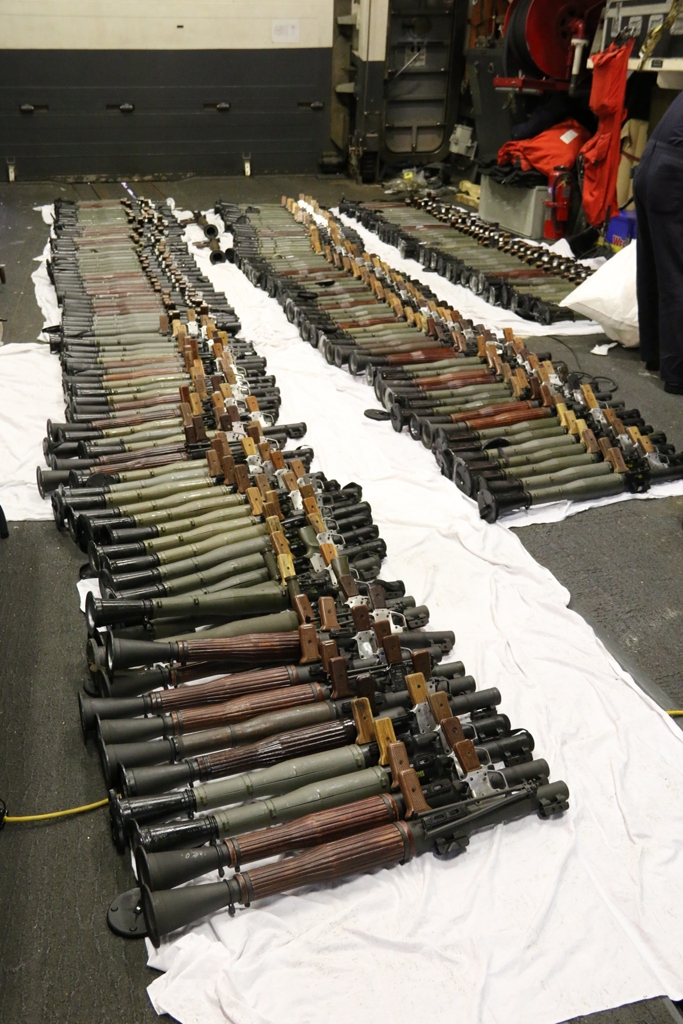
While diplomats talked ceasefire in Islamabad's Red Zone, Iran's weapons factories never stopped. Marandi, who served as a close advisor to the late Supreme Leader Ali Khamenei before his death in February strikes, made clear that Tehran views these negotiations as tactical cover for military rebuilding.
"Iran always knew the United States was deceitful," Marandi told Hezbollah-affiliated Al-Mayadeen. The regime is "bolstering its military capabilities while we are at the negotiating table."
Intelligence sources in three capitals confirm Iran has accelerated arms production since the talks began April 10. New missile assembly lines in Fordow. Drone factories relocated underground near Isfahan. Naval mines stockpiled at Bandar Abbas.
The delegation's size tells the real story. Standard diplomatic teams number 8-12 people. Iran brought 47. Half carried military credentials.
Americans missed the bigger picture
US negotiators focused on uranium stockpiles and Strait of Hormuz shipping lanes. They missed the larger strategic shift unfolding in Tehran since Mojtaba Khamenei assumed power as Supreme Leader last month.
The younger Khamenei has authorized military spending increases that his father resisted in his final years. Defense allocations jumped 40% in March. New recruitment drives target 200,000 additional Revolutionary Guard members by year-end.
"The Americans think this is about nuclear deals," said a former Iranian diplomat now in exile in London. "This is about regime survival. They will negotiate forever if it buys time to rebuild."
Vice President JD Vance blamed Iranian "lack of approval" for the weekend talks ending without breakthrough. But Iranian sources say their team had full authority to discuss technical issues only. Strategic decisions remain with Mojtaba Khamenei in Tehran.
Pakistan keeps the channel open
Both sides could return to Islamabad this week, four diplomatic sources confirmed Tuesday. Pakistan's military chief Asim Munir personally welcomed the Iranian delegation — unusual protocol that signals Islamabad's commitment to hosting future rounds.
President Trump claimed Monday that Iran "called that morning" seeking a deal. Iranian officials denied any direct contact with Washington. All communication flows through Pakistani intermediaries.
The mechanics matter. Pakistan's ISI intelligence service provides security for both delegations. Chinese diplomats observe sessions but do not participate. European allies receive briefings but have no formal role.
Iran's alternative route home avoided Saudi and Emirati airspace entirely. The delegation flew north through Afghanistan and Turkmenistan — adding six hours to the journey but ensuring Russian air defense coverage most of the way.
What's actually at stake
The Strait of Hormuz remains the immediate flashpoint. Iran's naval blockade has cut global oil flows by 18% since January. US Fifth Fleet commanders want guarantees of safe passage before lifting sanctions on Iranian crude exports.
But the uranium question drives everything else. Iran possesses enough 60%-enriched uranium for four nuclear weapons if further refined. US negotiators demanded physical transfer of all stockpiles to international custody.
Iran's counter-proposal: gradual dilution over 18 months with continuous monitoring. No physical removal from Iranian territory.
The gap is unbridgeable without major concessions from either side.
Tehran's real calculation is simpler than diplomats acknowledge. Every month of negotiations allows continued military preparation. Every round of talks prevents immediate US military action.
Marandi's comments suggest Iran views the process as successful regardless of outcomes. "We don't trust the United States," he said. But they will keep talking.
What happens next
Pakistani Foreign Minister Mohammad Ishaq Dar travels to Washington Thursday for separate consultations with Secretary of State Marco Rubio. His message will determine whether talks resume this weekend or pause until May.
Iranian military exercises begin Friday in the Persian Gulf. Twelve warships, including three submarines. The timing is not coincidental.
Trump faces pressure from congressional Republicans to set a negotiating deadline. House Speaker Mike Johnson called the talks "an Iranian stalling tactic" in remarks Tuesday evening.
But walking away carries risks. Oil markets remain volatile. Regional allies want diplomatic solutions attempted before military ones.
The next session — if it happens — will test whether either side came to Islamabad to actually make peace. Or whether both are simply buying time for the next phase of war.
Marandi already provided Iran's answer. They are preparing for war while talking peace.
The Americans will have to decide if they are doing the same.



Discussion