US seizes Iranian cargo ship, crew detained indefinitely
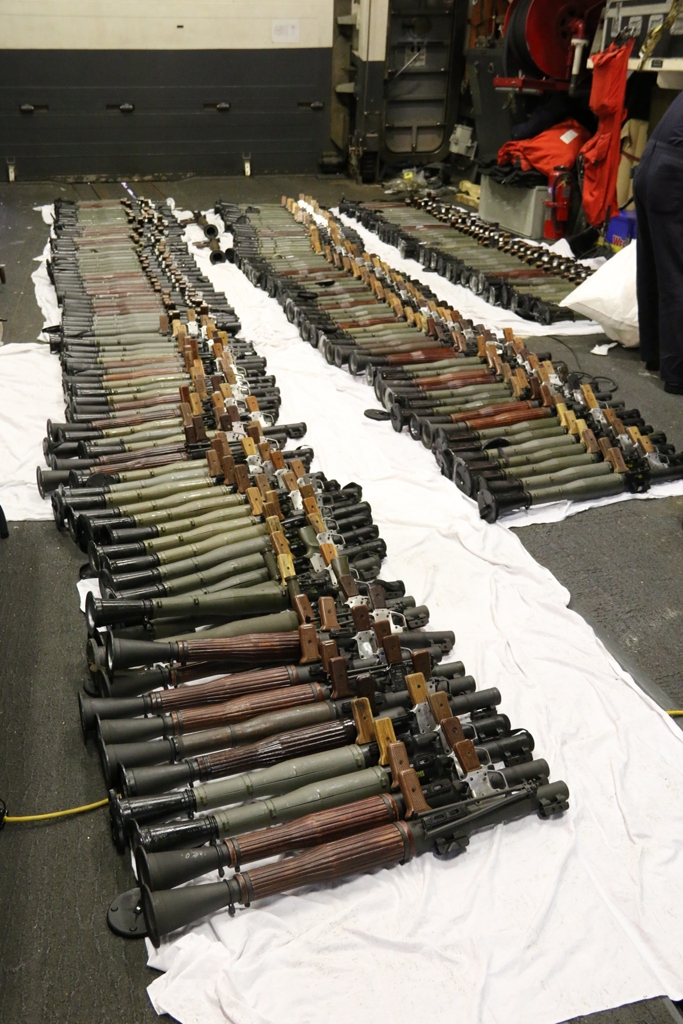
Pentagon silence on M/V Touska's cargo suggests military equipment found — making this first 'spoils of war' seizure since WWII
DUBAI — The 47-container cargo ship sits in a US Navy anchorage off Bahrain, its Iranian crew under guard. But the real prize isn't on deck.
Legal experts say the M/V Touska could become the first "spoils of war" seizure since World War II if investigators find military equipment in its hold — a precedent that would rewrite maritime law and give Washington sweeping powers to confiscate Iranian assets worldwide.
The ship was carrying more than consumer goods when Marines rappelled onto its deck Sunday. That much is clear from the Pentagon's unusual silence about the cargo manifest.
What changes everything
Under the 1949 Geneva Conventions, civilian vessels become legitimate military targets — and potential war prizes — if they transport weapons or dual-use technology to combatant forces. Iran's Revolutionary Guard has used commercial ships to move missile components and drone parts since 2019.
"If they find military hardware, this isn't piracy anymore," said James Kraska, a former Navy lawyer now at the Naval War College. "It becomes a lawful seizure under the laws of armed conflict."
The implications stretch far beyond one container ship.
A spoils-of-war designation would allow the US to auction the Touska and its cargo, with proceeds funding military operations against Iran. More critically, it would establish legal precedent for seizing any Iranian commercial vessel suspected of carrying military supplies.
Iran operates roughly 180 cargo ships through front companies. All become potential targets.
The crew sits in limbo
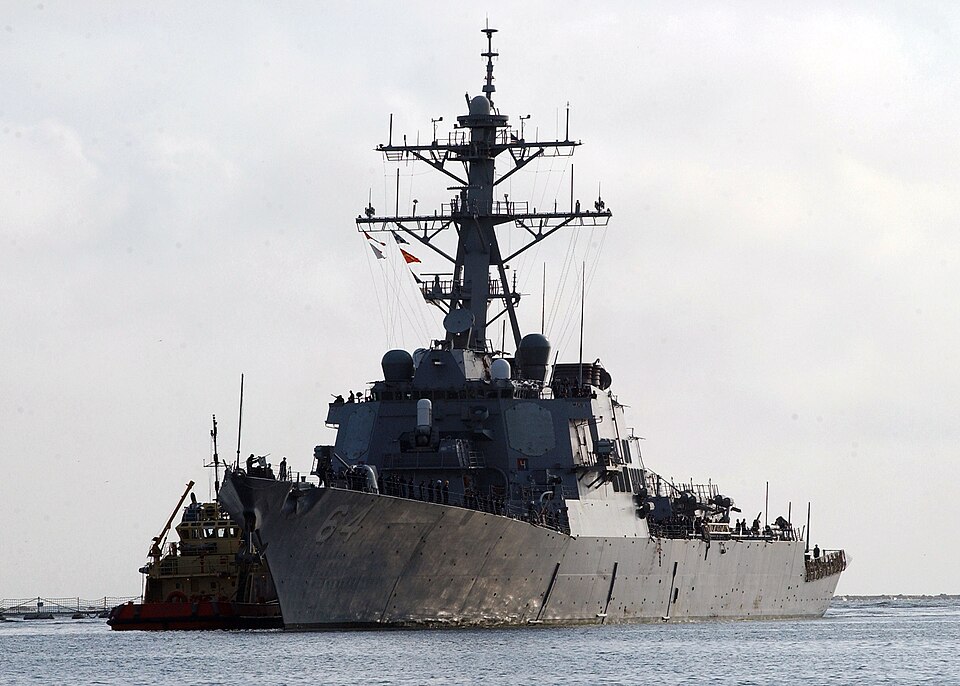
The Touska's 23 Iranian sailors remain in US custody aboard the destroyer USS Spruance. Their status depends entirely on what investigators find in those containers.
If the cargo proves civilian, the crew gets repatriated through the International Red Cross within weeks. Standard procedure.
But military equipment changes everything. The sailors could be classified as combatant support personnel — not prisoners of war, but not civilians either. That legal gray zone has no clear resolution timeline.
"These men could be detained for the duration of hostilities," said Sarah Harrison, a maritime lawyer who worked on Somali piracy cases. "And nobody knows when this war ends."
Iran's Foreign Ministry called the seizure "an act of piracy" and demanded immediate release of the crew. Tehran has not responded to US offers of Red Cross access to the detained sailors.
Pentagon stays quiet for a reason
Pentagon officials briefed congressional leadership on the Touska seizure Thursday but declined to discuss cargo details in classified session, according to two lawmakers present.
That secrecy suggests something big. Routine sanctions violations get immediate publicity. Military equipment gets lawyers.
If declared spoils of war, the ship would be sold at admiralty auction — likely in Dubai, where Iranian vessels have been auctioned before. The process takes 90-120 days and typically draws bids from Greek and Turkish shipping companies.
Recent Iranian cargo ships have sold for $2-4 million at forced auction. The Touska, built in 2018, could fetch higher.
But the precedent matters more than the money.
Iran's restrained response tells a story
Tehran's response has been notably restrained. No threats to close the Strait of Hormuz. No rocket attacks on US bases. Just diplomatic protests and demands for crew release.
That suggests Iran fears escalation more than it wants revenge. The Touska seizure came 48 hours before planned peace talks in Islamabad — timing that wasn't coincidental.
"Iran is calculating whether to attend those talks or retaliate," said Behnam Ben Taleblu of the Foundation for Defense of Democracies. "They can't do both effectively."
Pakistan's mediation team has postponed the Islamabad talks twice since the seizure. Foreign Minister Bilawal Bhutto-Zardari spoke with Iranian and US counterparts Thursday but announced no new timeline.
Every day counts. Every day the Touska sits in US custody, Iran loses face with regional allies who ship through Iranian ports.
The bigger game
Maritime lawyers are watching the Touska case closely because it could establish new rules for economic warfare. The last spoils-of-war seizure was a German U-boat in 1945.
Modern commerce moves through container ships that often carry mixed civilian-military cargo. If the US can seize vessels based on partial military loads, every Iranian export becomes vulnerable.
China and Russia have similar mixed-cargo vulnerabilities. Both countries are studying the Touska precedent for implications to their own shipping.
"This isn't just about Iran anymore," said one European maritime official, speaking anonymously because of diplomatic sensitivity. "It's about whether commercial shipping can operate in a world where superpowers treat cargo ships as military targets."
The Pentagon has scheduled a classified briefing for allied naval attachés next Tuesday. The topic: new rules of engagement for intercepting commercial vessels in international waters.
Those rules will be tested soon. US satellites have identified six Iranian cargo ships currently transiting toward Asian ports. All are now potential targets under the Touska precedent.
The next seizure could come within days.
Discussion