
Iran hints at deal as US blockade chokes $2.3B weekly oil flow
Khamenei's rare flexibility signal comes as submarines reposition and wheat imports face six-week cutoff timeline
TEHRAN — Iran's new Supreme Leader Mojtaba Khamenei called the US naval blockade "economic terrorism" in his first public comments since American warships began sealing Iranian ports Thursday. But his defiance came with a caveat that caught Tehran watchers off guard.
The new supreme leader suggested Iran might consider "alternative arrangements" if Washington lifts sanctions on medical supplies. A crack in the armor.
Khamenei's measured gambit
Khamenei spoke for 12 minutes at Friday prayers, broadcast live on state television. His tone was measured, not the fiery rhetoric many expected. "America thinks it can strangle our economy," he said. "But strangulation works both ways."
The reference was clear. Iran controls the Strait of Hormuz, through which 21% of global oil flows daily. Close it, and Brent crude — already at $187 — could hit $250 within days.
Sanam Vakil, a senior research fellow at Chatham House in London, said the new leader is trying to establish authority while navigating a crisis not of his making.
Revolutionary Guard commander Hossein Salami was less diplomatic. Speaking to reporters outside the Defense Ministry, he called the blockade "an act of war" and warned that Iranian submarines were "repositioning" in the Gulf. He would not specify where.
The wheat crisis Tehran won't discuss publicly
Behind the public bravado, Iranian officials are scrambling. The blockade cuts off 85% of Iran's oil exports, worth $2.3 billion weekly at current prices. More critically, it blocks food and medicine imports.
"We can survive without oil revenue for maybe six months," a senior Iranian economist told Reuters on condition of anonymity. "We cannot survive without wheat imports for six weeks."
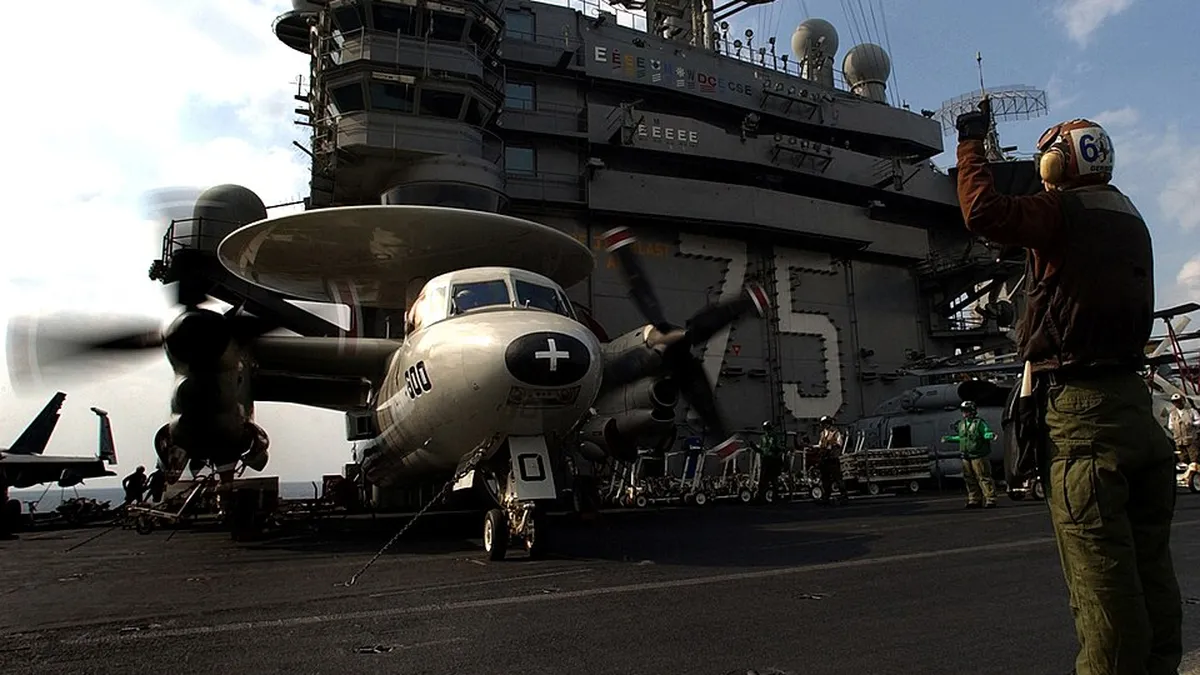
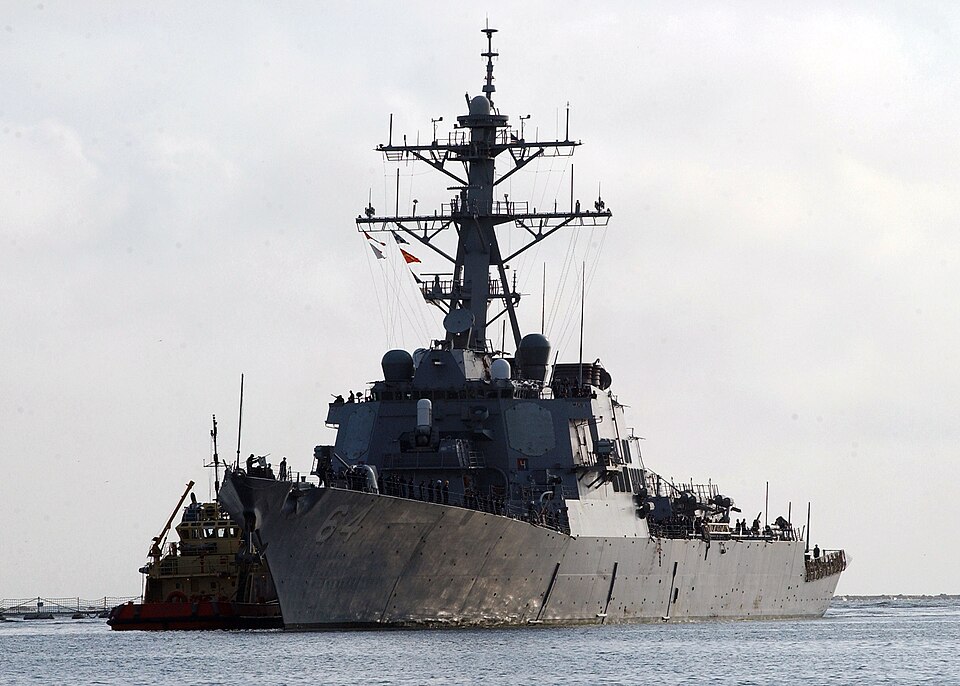
Iran imports 12 million tons of wheat annually, mostly through Bandar Abbas and Bushehr ports — now sealed by the USS Gerald R. Ford strike group. Domestic production covers only 60% of consumption. The math is unforgiving.
President Masoud Pezeshkian, the relative moderate who took office last year, has been notably silent. Sources close to his administration say he favors negotiation but cannot say so publicly while Khamenei sets the tone.
Pakistan's emergency diplomacy
Pakistani Prime Minister Shehbaz Sharif arrived in Tehran Friday evening for what Islamabad calls "emergency consultations." His delegation includes Foreign Minister Bilawal Bhutto and ISI chief Lt. Gen. Nadeem Anjum — a sign this is serious business.
Pakistan has been mediating between Iran and the US for three months, with limited success. But the blockade changes the calculus. "Pakistan cannot afford Iran collapsing economically," said Michael Kugelman at the Wilson Center. "Two million Afghan refugees are already in Pakistan. Add Iranian economic migrants and the country breaks."
Sharif's proposal, according to Pakistani officials, involves Iran suspending uranium enrichment above 20% in exchange for limited port access for humanitarian goods. The US has not responded publicly.
But Trump administration officials privately dismiss the offer. "Iran enriches to 84% and we're supposed to negotiate over 20%?" said one Pentagon official. "That ship sailed two years ago."
Submarine movements trigger oil panic
Traders are not betting on diplomacy. They are watching Iran's submarine fleet.
Iran operates three Kilo-class submarines and 23 midget submarines designed for shallow-water operations in the Gulf. Intelligence reports suggest at least five have left their base at Bandar Abbas in the past 48 hours.
"If Iran hits one tanker, oil goes to $300," said Bob McNally, president of Rapidan Energy Group. "If they hit a US warship, we're in a different war entirely."
The math is brutal for consuming nations. Japan imports 99% of its oil. A sustained price spike above $200 could trigger recession across Asia, already fragile after two years of inflation.
China, Iran's largest oil customer, has stayed conspicuously quiet. Beijing buys 900,000 barrels daily from Iran at steep discounts. That trade is now impossible with US warships patrolling Iranian waters.
Monday's market reckoning
Financial markets reopen Monday with oil futures limit-up and gold testing $4,800. Iran's rial, already down 40% this year, could collapse entirely if the blockade extends past two weeks.
Nobody is saying this publicly. More immediately, Iran faces a choice. Escalate militarily and risk devastating retaliation. Or negotiate from a position of economic weakness.
Khamenei's hint about "alternative arrangements" suggests Tehran might choose the latter. But the Supreme Leader has reversed course before when hardliners push back.
The next 72 hours will show which faction controls Iran's response. And whether this blockade becomes the crisis that finally breaks the Islamic Republic — or the miscalculation that sets the Gulf on fire.
Pakistan's mediation team meets with Iranian officials Saturday morning. The agenda, according to diplomatic sources, has one item: preventing economic collapse from becoming military catastrophe.
Discussion