Pentagon blockade math: Iran oil cutoff sends prices to $200
War planners calculate three carrier groups needed to seal Persian Gulf. Traders already pricing in $180 crude within 72 hours.
WASHINGTON — The Pentagon's war planners have run the numbers on a naval blockade of Iran. The math is brutal for global oil markets.
Brent crude hit $102.76 per barrel Thursday as traders absorbed the implications. WTI crude climbed to $104.57. But those figures assume Iranian oil keeps flowing through back channels and smuggling networks that have kept 1.3 million barrels per day moving despite sanctions.
A full naval blockade changes everything.
What the admirals are calculating
Still unclear. "You're not just stopping Iranian exports," said Admiral James Stavridis, former NATO Supreme Allied Commander. "You're choking off the entire Persian Gulf for weeks while you establish the perimeter."
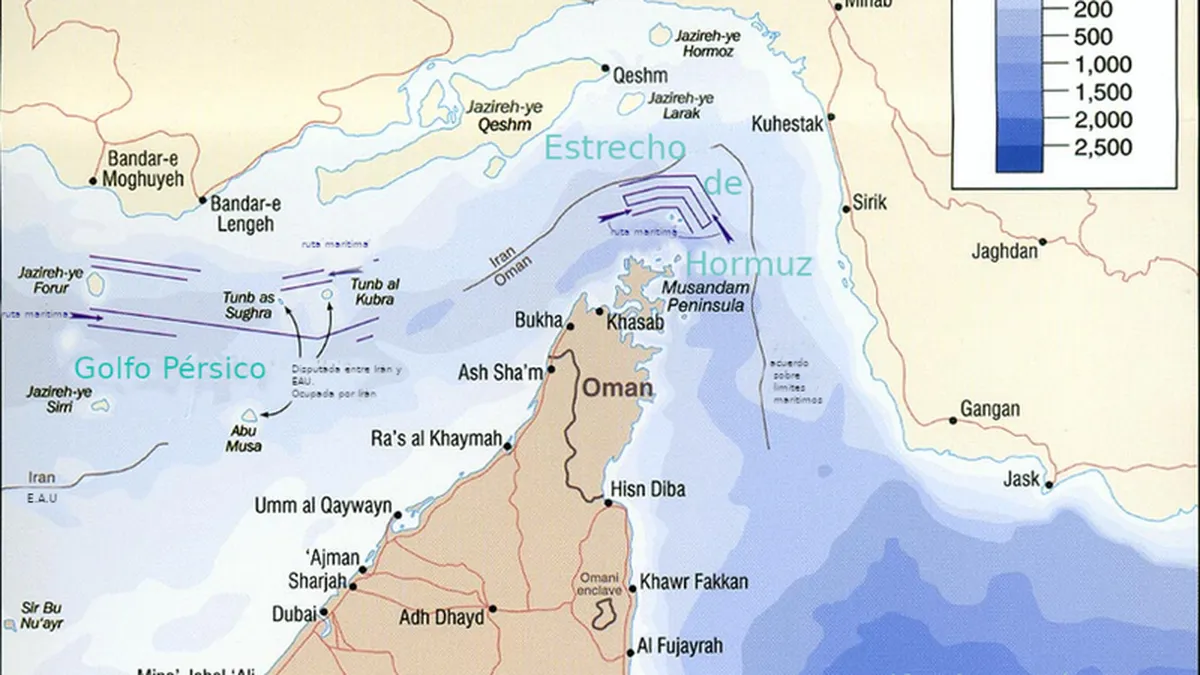
The Strait of Hormuz carries 21% of global petroleum liquids. Iran has threatened to mine it before. Never faced a blockade that could last months.
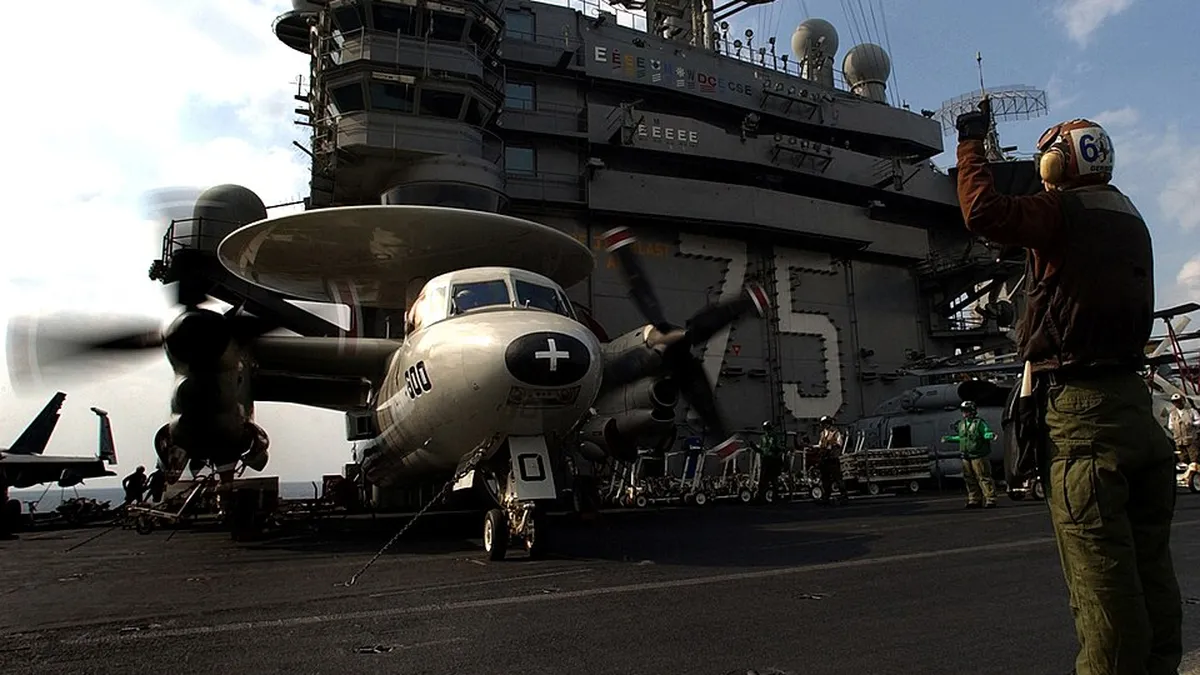
Three carrier strike groups would be minimum for enforcement, according to Pentagon assessments obtained by defense contractors. The USS Gerald R. Ford is already in the Eastern Mediterranean. USS Nimitz and USS Ronald Reagan would need to transit from Pacific commands — a 12-day journey that telegraphs American intentions to every oil trader in London and Houston.
But here's the problem with blockade arithmetic: Iran doesn't have to win. It just has to create enough chaos to spike prices above $150 per barrel and watch the global economy convulse.
The smuggling routes that matter
Iranian oil currently moves through four channels that a blockade would have to seal simultaneously. None of them are easy targets.
The primary route runs through Kharg Island, Iran's main export terminal. Satellite imagery shows 47 tankers anchored there as of Wednesday, according to Vortexa Analytics. Those ships can scatter in hours once a blockade is announced.
More problematic are the smaller terminals along Iran's 1,500-mile coastline. Jask port, Bandar Abbas, and a dozen lesser facilities that handle "dark fleet" tankers — aging vessels with obscured ownership that have kept Iranian oil moving despite sanctions.
"You need eyes on every creek and inlet," said Michael Knights of the Washington Institute for Near East Policy. "Iran has been preparing for this scenario since 1987."
The ghost fleet is the real challenge. An estimated 600 tankers now operate without proper insurance or transparent ownership. Many fly flags of convenience from nations that don't cooperate with U.S. maritime enforcement.
What moves first when the blockade starts
Oil prices spike immediately. That's guaranteed. The question is how far and how fast.
Goldman Sachs models suggest $180 per barrel within 72 hours if Iran successfully mines the Strait. JPMorgan's commodity desk puts the figure at $200 if Saudi Arabia's eastern terminals get hit in retaliation.
Gold jumped to $4,751.80 per ounce Thursday — still below the January all-time high of $5,589 but climbing on blockade speculation. Precious metals always surge when energy supply chains face disruption.
But the real damage comes in the second week. Refiners start rationing. Governments activate strategic reserves. The U.S. Strategic Petroleum Reserve holds 350 million barrels — enough for 17 days of imports if other sources vanish entirely.
Europe's position is more precarious. The continent still imports 12% of its oil from Russia through Turkish and Indian intermediaries. A Persian Gulf crisis forces EU buyers to compete directly with Asian markets for West African and American crude.
The insurance crisis nobody talks about
Maritime insurers stopped covering Iranian oil shipments in 2018. A blockade extends that blackout to any vessel transiting the Persian Gulf — even those carrying Saudi or Kuwaiti crude.
Lloyd's of London has already signaled it will invoke war risk exclusions if naval combat begins. That means tanker operators demand cash payment upfront and charge premium rates that get passed directly to consumers at the pump.
"Insurance costs alone add $15 per barrel," said Richard Bronze of Energy Aspects. "Before you factor in the actual supply disruption."
The timing couldn't be worse for global energy markets. China's economy is rebounding faster than expected, driving demand for crude imports above 11 million barrels per day. India's refiners are running at 95% capacity to meet domestic consumption and export commitments to Southeast Asia.
What happens to Iran's customers
China buys 90% of Iran's current oil exports through a network of independent refiners in Shandong province. Those facilities can switch to alternative suppliers — at a price. Russian Urals crude trades at similar quality but commands a $12 premium over Iranian heavy crude.
India's situation is more complex. Reliance Industries operates the world's largest refining complex at Jamnagar, designed specifically to process heavy crude from Iran and Venezuela. Switching to lighter grades from the North Sea or Permian Basin requires costly modifications that take months to complete.
Turkey's Tupras refinery depends on Iranian crude for 35% of its feedstock. President Erdogan has already signaled Ankara will not respect a unilateral U.S. blockade — setting up a potential NATO crisis if Turkish-flagged tankers challenge American warships.
The next OPEC+ meeting is scheduled for April 22 in Vienna. Saudi Arabia holds 2 million barrels per day of spare capacity that could partially offset Iranian losses. But Riyadh wants $120 oil to fund Crown Prince Mohammed bin Salman's economic transformation plans.
The Saudis may not be in a hurry to help.

Discussion