
Oil Spikes Past $110 as Iran Threatens Gulf Tankers
Tehran's warning to shipping companies sends crude prices soaring while traders brace for potential supply disruptions
PARIS — Oil markets just shattered the $110 barrier — and this time, it's not about production cuts or demand spikes. It's about a chokepoint that moves 20% of the world's oil, and Iran's growing willingness to weaponize it.
What's happening
• Oil prices jumped 8% in early trading Thursday
• Iran warned shipping companies about Gulf operations
• Tanker insurance rates spiked 40% overnight
Why it matters
• Gulf supplies 40% of global seaborne oil
• Energy costs directly impact inflation rates
• Shipping disruptions ripple through entire economy
⬇ Full breakdown below
The trigger wasn't a missile strike or facility explosion. Iranian officials quietly reached out to major shipping companies this week, delivering what sources describe as "conditional warnings" about continued operations in Gulf waters. The message was clear: business as usual depends on broader geopolitical calculations.
Markets aren't reacting. They're panicking.
Background
President Trump's administration has steadily tightened sanctions on Iran since taking office, targeting everything from oil exports to banking networks. Tehran's response has been measured but increasingly bold — testing the boundaries of what Washington will tolerate without triggering direct military confrontation.
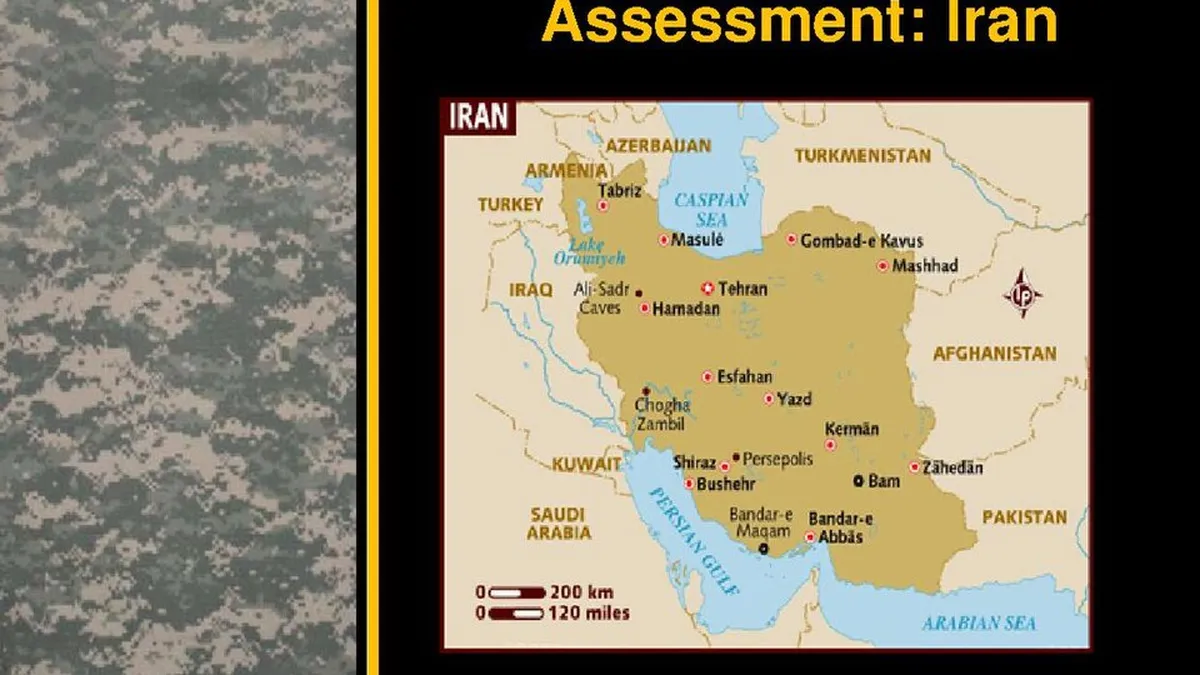
The Strait of Hormuz remains the world's most strategic waterway, with roughly 21 million barrels of oil passing through daily. Even temporary disruptions create massive supply shock waves that reverberate through global energy markets within hours.
"Iran's calculus has shifted dramatically since 2024," said Sarah Mitchell, senior energy analyst at Atlantic Council. "They're no longer just responding to sanctions — they're proactively using energy leverage as a diplomatic tool."
This is where things start to break down.
What Happened
Shipping executives report receiving discrete communications from Iranian maritime authorities over the past 72 hours. While stopping short of explicit threats, the messages outlined "security concerns" and suggested companies "reassess operational risk profiles" for Gulf transits.
Insurance markets responded immediately. Lloyd's of London syndicates pushed war risk premiums for Gulf tanker operations up 40% overnight, adding roughly $2 per barrel to transportation costs. Major shipping companies are now conducting emergency board meetings to evaluate route alternatives.
Here's what most people are missing: Iran doesn't need to actually block the strait to achieve its objectives. The mere threat of disruption forces oil prices higher, generating revenue for other producers while pressuring Western economies already grappling with inflation.
Regional Implications
Saudi Arabia and UAE officials have remained publicly silent, but private communications suggest growing concern about escalation dynamics. Both nations depend on Gulf shipping lanes for their own oil exports, creating complex calculations about regional security cooperation.
Russia emerges as a clear beneficiary. Higher oil prices boost Moscow's energy revenues while creating additional pressure on Western allies supporting Ukraine. Energy analysts estimate each $10 increase in oil prices generates an additional $40 billion annually in Russian export income.
"This isn't just about Iran anymore," explained James Crawford, former Pentagon energy security advisor. "It's about how multiple actors can simultaneously leverage energy markets for geopolitical advantage."
And that's the part nobody is talking about.
What Comes Next
Trump administration officials are reportedly considering expanded military escort operations for commercial tankers, potentially involving Fifth Fleet assets based in Bahrain. Such measures would represent significant escalation in regional military posture.
Energy companies are already exploring alternative supply routes through Red Sea corridors, though these add 10-15 days to delivery schedules and increase transportation costs substantially.
The real test comes in the next 48 hours. If Iran follows through on implied threats with actual interference, oil prices could spike toward $130-140 range — levels that would trigger immediate inflation concerns across major economies.
Markets are pricing in roughly 30% probability of significant supply disruptions within the next month. That calculation reflects not just Iranian capabilities, but growing recognition that energy has become the preferred weapon in an increasingly multipolar world.
What happens next may determine whether this remains a regional standoff or evolves into something far more consequential for global economic stability.



Discussion