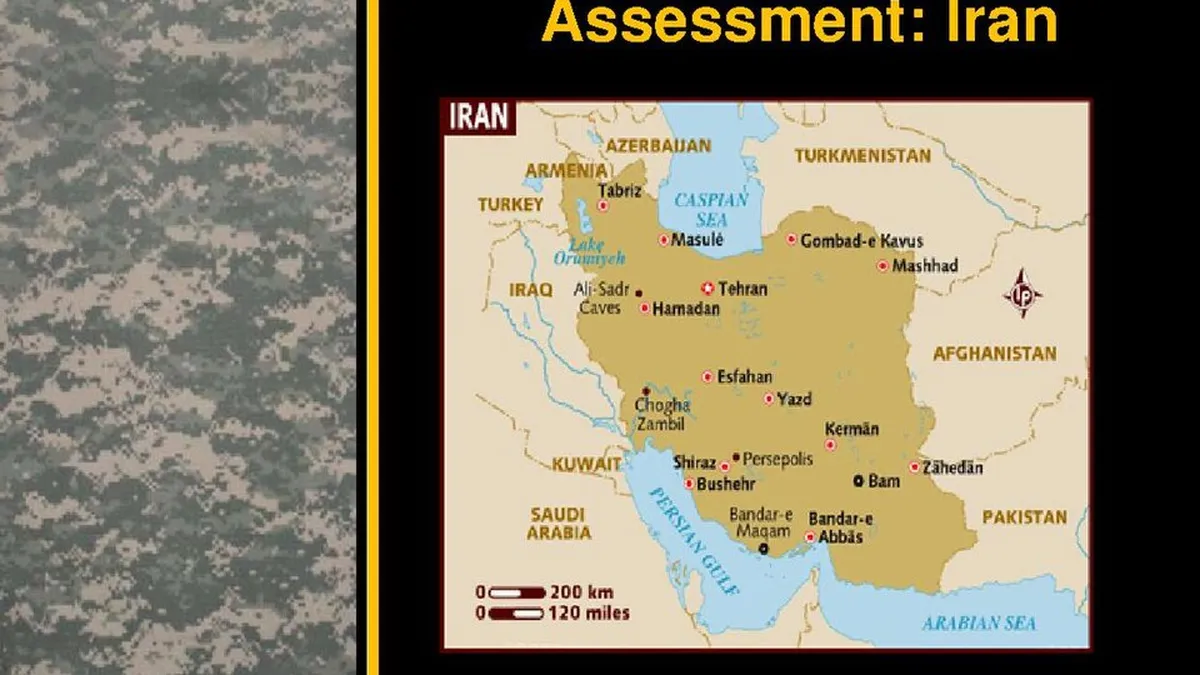
Iran's 47-Person Team Signals Nuclear Deal Urgency
Tehran sends unprecedented delegation size to Washington talks as oil hits $118 and regional war fears mount across Gulf states
WASHINGTON — Ambassador Hossein Amir-Abdollahian arrived at the State Department Thursday morning flanked by 46 other Iranian officials, the largest Tehran delegation to visit Washington since 1979. The unprecedented team size signals Iran's recognition that these talks could determine whether the Middle East slides toward broader conflict or steps back from the brink.
What's happening
• Iran brings 47-person team spanning foreign ministry, nuclear agency, and military advisors
• Oil prices surge past $118 as markets price in escalation risk
• Regional allies privately express concern about Tehran's negotiating position
Why it matters
• Energy costs directly impact American households already facing inflation pressures
• Failed talks could trigger Israeli military action within weeks
• Success here determines stability across $2 trillion in daily oil transit routes
⬇ Full breakdown below
The Delegation Strategy
The delegation includes representatives from Iran's Atomic Energy Organization, Revolutionary Guard advisors, and economic planners from the central bank. This breadth reflects Tehran's desire to ensure no single faction bears responsibility for controversial compromises.
"They're building consensus in real-time," said Suzanne Maloney, Iran specialist at the Brookings Institution. "If talks fail, Supreme Leader Khamenei wants to show he consulted everyone. If they succeed, he wants buy-in across the power structure."
The team composition also reveals Iran's priorities. Nuclear negotiators occupy just twelve slots, while twenty-three officials focus on sanctions relief and economic integration. Tehran clearly views this as an economic lifeline, not just a nuclear discussion.
Regional Pressure Points
Saudi Arabia and the UAE have privately urged Washington to secure concrete Iranian concessions on regional activities, not just nuclear compliance. Gulf states fear that sanctions relief without broader behavioral changes will fund expanded Iranian proxy operations.
Israeli officials have given President Trump until early May to produce results before considering unilateral action against Iranian nuclear facilities. The timeline creates urgency that both sides acknowledge but neither wants to discuss publicly.
"Iran knows the clock is ticking," said Michael Singh at the Washington Institute for Near East Policy. "This delegation size suggests they're serious about making a deal, but they also want to show domestic audiences they fought for every concession."
Economic Stakes
Every week these talks continue, American consumers pay an estimated additional $12 billion in energy costs compared to pre-crisis levels. Iranian oil exports, currently running at just 800,000 barrels daily, could triple within six months of sanctions relief.
That prospect terrifies Saudi planners who have spent two years managing oil markets to benefit from Iranian exclusion. Riyadh faces the choice between lower oil prices that benefit global growth or maintaining Iranian isolation that supports Saudi revenues.
What Comes Next
The talks enter their crucial phase Monday when both sides present final position papers. Iranian sources suggest Tehran will offer unprecedented nuclear transparency in exchange for banking sector access and insurance coverage for oil shipments.
Trump administration officials remain divided between those favoring comprehensive sanctions relief and hawks preferring limited, reversible concessions. The president himself has avoided specific commitments while praising Iran's "respectful approach."
The next 72 hours will determine whether diplomacy can defuse the most dangerous Middle East crisis since the 2003 Iraq invasion. Watch for any Iranian delegation departures – if the team shrinks before Wednesday, talks are failing. If it grows larger, expect a breakthrough announcement within days.


Discussion