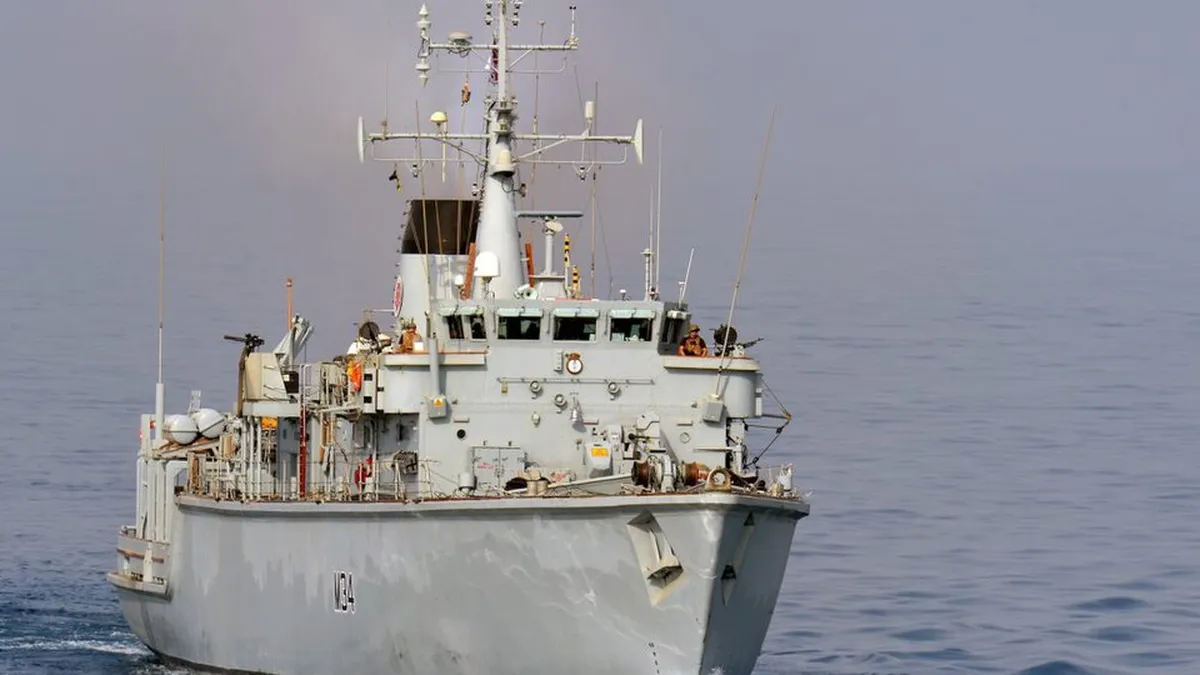
Iran reopens Hormuz, oil crashes $6 as insurers cut rates
Forty-three tankers flip transponders back on within 20 minutes. Lloyd's slashes war risk premiums 85%. But traders aren't buying it.
SINGAPORE — The tanker captains started turning their transponders back on at 11:47 AM local time. Within twenty minutes, forty-three vessels that had been dark for weeks began pinging their locations again.
Iran's announcement that the Strait of Hormuz would reopen to commercial shipping triggered the largest single-day repositioning of oil tankers since the 2008 financial crisis. But the real story isn't the ships moving.
It's the insurance.
Lloyd's makes the call
Lloyd's of London lifted its "total loss only" coverage restriction on Hormuz transits at 2 PM Singapore time — the first signal that insurers believe Iran's blockade is genuinely over. War risk premiums for tankers dropped from $500,000 per voyage to $75,000 in four hours.
"We had forty-seven tankers anchored off Fujairah burning $30,000 a day each in holding costs," said Marcus Chen, operations director at Pacific Maritime Holdings. "Do the math. That's $1.4 million daily just sitting there."
The financial cascade moved faster than the ships themselves. Brent crude futures fell $6.80 to $78.20 per barrel in after-hours trading — the steepest single-session drop since March 2020. West Texas Intermediate shed $6.40 to $74.10.
Shipping executives aren't celebrating yet.
The insurance math
War risk coverage for the Strait remains 400% above pre-blockade levels. Lloyd's syndicates are pricing in a 30% probability that Iran reverses course within two weeks, according to three senior underwriters who spoke on condition of anonymity.
"Iran opened the Strait twice before during this conflict," said Sarah Mitchell, head of maritime risk at Aon. "Both times lasted less than a week."
Insurers remember.
The blockade cost global oil markets an estimated $47 billion in disrupted supply chains since Iran closed the waterway on March 23. Twenty percent of the world's oil normally transits the 21-mile-wide chokepoint between Iran and Oman.
Iran's Revolutionary Guard had been seizing or turning back commercial vessels, forcing a backup of 180 tankers across regional ports. The closure pushed insurance costs for Persian Gulf shipping to levels not seen since the Iran-Iraq War of the 1980s.
What broke Iran's resolve
Three factors converged to force Tehran's hand, according to maritime intelligence sources.
Pakistan's mediation efforts intensified this week, with Islamabad threatening to suspend military cooperation with Iran unless shipping resumed. Pakistan imports 40% of its oil through Hormuz.
China quietly reduced Iranian crude purchases by 200,000 barrels per day since April 10 — Beijing's way of pressuring Tehran without public confrontation. That represents $14 million in daily lost revenue for Iran's cash-strapped economy.
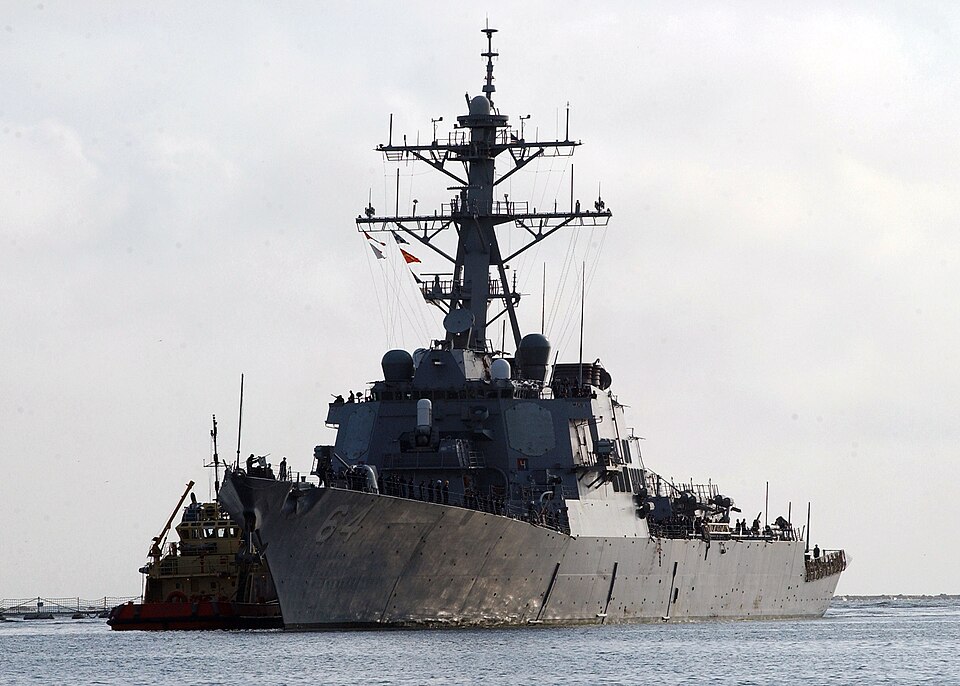
The third factor: U.S. Navy destroyers began escorting Kuwaiti and Saudi tankers through the Strait on Tuesday, creating the possibility of direct military confrontation Iran cannot afford.
"Iran blinked," said Admiral James Richardson, former Chief of Naval Operations and now at the Center for Strategic Studies. "They pushed oil to $95 and proved their point. Staying closed risked escalation they couldn't control."
The logistics nightmare
Even with the Strait reopened, the global tanker fleet faces a logistics crisis that could take months to resolve. Ships designed to carry 2 million barrels of crude have been anchored for weeks in the wrong positions.
Eighteen very large crude carriers (VLCCs) that should be loading Saudi oil are stuck off Singapore. Twelve Suezmax tankers meant for West African crude are anchored near Dubai.
Getting them back to their intended routes will take 30-45 days and cost an estimated $340 million in repositioning fees.
"It's like someone scrambled a jigsaw puzzle," said Chen from Pacific Maritime. "Every piece has to find its way back to the right spot."
The Baltic Dry Index — which measures shipping costs for commodities — rose 14% on Thursday as available vessels rushed toward the Persian Gulf. That surge will translate to higher costs for everything from wheat to iron ore over the next six weeks.
Traders stay skeptical
Oil markets remain skeptical of Iran's commitment. Brent crude for June delivery is still trading $8 above February levels, suggesting traders are pricing in a 25% chance the Strait closes again before month-end.
The key test comes Monday when the first fully-loaded VLCC attempts the complete transit from Kuwait to Singapore. If that 2-million-barrel cargo reaches its destination without incident, insurance rates should normalize further.
Iran's Supreme Leader Mojtaba Khamenei has not commented publicly on the reopening. His silence is being interpreted as reluctant acceptance of economic reality rather than genuine strategic shift.
The next OPEC+ meeting is scheduled for May 3 in Vienna. Iran's production quota — assuming they attend — will depend on how long the Strait stays open.

Discussion