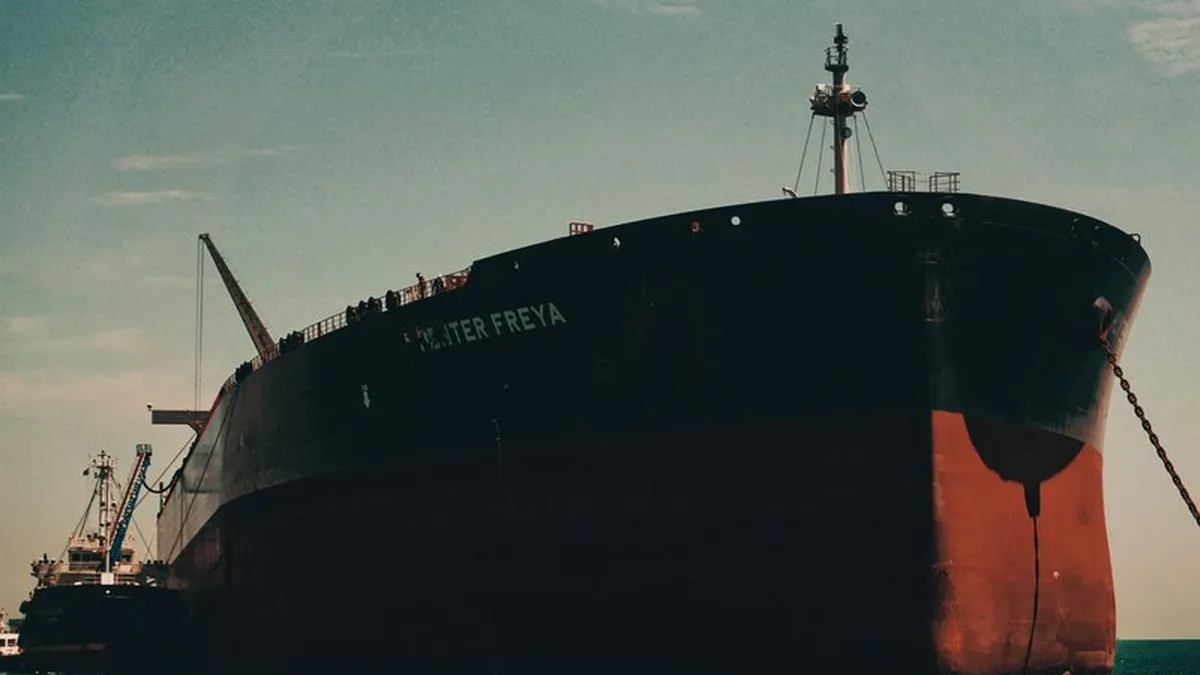
Oil prices surge past $118 on Hormuz shipping crisis
Energy markets brace for sustained disruption as Iran tensions throttle critical Gulf waterway
PARIS — Oil prices just broke $118 — and this time, it's not about the market. It's about a chokepoint that controls the global economy.
The three-week Strait of Hormuz shipping crisis has slashed commercial traffic through the world's most vital petroleum artery by 60 percent, sending shockwaves through energy markets and triggering panic buying that could push crude past $130 if tensions persist into April.
What's happening
• Commercial shipping through Hormuz down 60% over three weeks
• Oil futures hit $118, highest since 2022 energy crisis
• Global petroleum flows facing systematic disruption
Why it matters
• 20% of world's oil passes through this single waterway
• Energy costs driving inflation back toward crisis levels
• Supply chain disruptions spreading beyond petroleum sector
⬇ Full breakdown below
The Chokepoint That Rules Everything
The Strait of Hormuz handles roughly one-fifth of global petroleum traffic on any given day. When that flow drops by more than half, the mathematics become brutal. "We're looking at a supply shock that makes 2022 look manageable," says Dr. Elena Richter, energy security analyst at the Institute for Strategic Resources in Geneva. "The market is pricing in systemic risk now."
This isn't normal market volatility. This is structural panic.
Futures traders are betting on scarcity, not just temporary disruption. The difference matters because it signals how long markets expect this crisis to last. And right now, they're not optimistic.
Here's What Most People Are Missing
The shipping standoff isn't just choking oil flows — it's creating cascading problems across global supply chains. Liquefied natural gas shipments have dropped 45 percent through the same corridor. Petrochemical feedstocks that power everything from plastics to pharmaceuticals are backing up in Gulf ports.
"The secondary effects are where the real damage happens," explains James Crawford, maritime security specialist at Lloyd's of London. "You lose fertilizer shipments, you get food price spikes six months later. This ripples through everything."
But this is only part of the story.
Energy importers in Asia are already scrambling for alternative supplies, driving up spot prices for African and American crude. European refiners are paying premium rates for North Sea oil. The global energy map is being redrawn in real time.
What Happens to Your Energy Bills
Every dollar increase in crude translates to roughly 2.5 cents more per gallon at gas stations within two weeks. At current trajectory, you're looking at fuel costs jumping 15-20 percent by mid-April. Heating bills will follow the same pattern.
And this is where it gets dangerous.
Central banks spent two years fighting inflation back toward target levels. Energy price shocks of this magnitude could force policy reversals just as economies were stabilizing. The European Central Bank is already signaling concern about renewed price pressures.
Regional Power Plays
The crisis has exposed how vulnerable global energy security remains to single-point failures. Regional powers are positioning themselves accordingly. Saudi Arabia is quietly increasing production capacity. The United States is considering strategic petroleum reserve releases. Russia is offering discounted crude to Asian buyers.
Here's what that actually means: the current crisis is accelerating a fundamental reshuffling of global energy alliances.
What Comes Next
Markets are pricing in a 40 percent probability that crude hits $130 before month-end. That's not speculation — it's mathematical extrapolation based on current supply disruption rates and inventory drawdowns.
The real question isn't whether prices will keep rising. It's how quickly alternative supply routes can be activated and whether diplomatic pressure can reopen Hormuz shipping lanes before the crisis becomes self-perpetuating.
What comes next may define the next decade of global energy security. This story requires understanding of regional energy dynamics and maritime chokepoint vulnerabilities that have shaped geopolitical tensions for generations.

Discussion