
Australia refinery fire cuts fuel output 12%, prices jump
Geelong blaze knocks out 110,000 barrels daily as Iran blockade already strains imports. Diesel up 18 cents overnight.
SYDNEY — The Geelong refinery fire that started at 3:47 a.m. Wednesday knocked out 110,000 barrels per day of Australia's already strained fuel production. That's 12% of the nation's refining capacity gone in one morning.
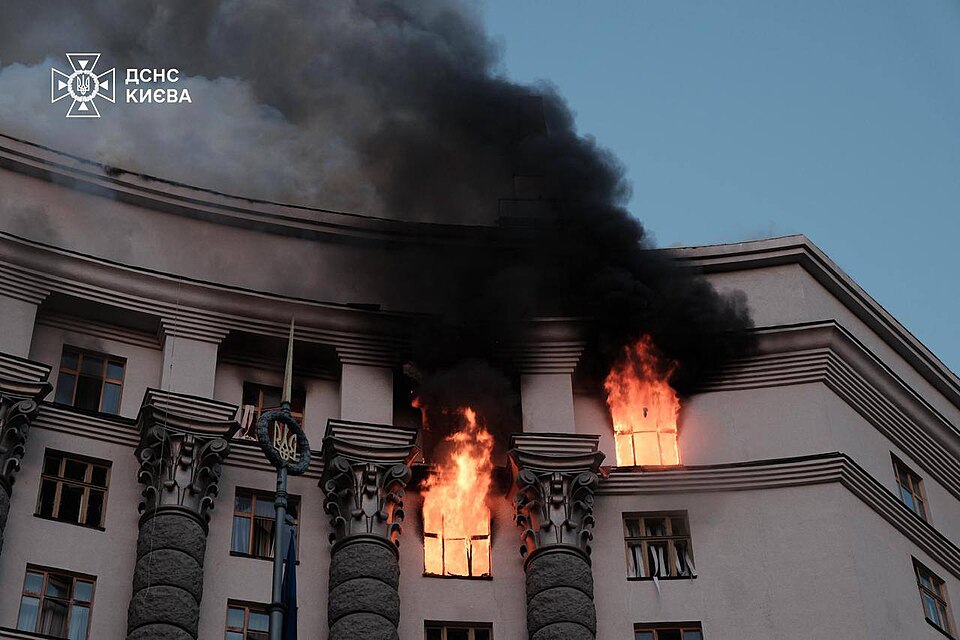
The blaze gutted the crude distillation unit at Viva Energy's facility, sending black smoke across Port Phillip Bay for six hours before crews contained it. No one died. But the economic damage spreads far beyond the $400 million insurance claim.
Australia now processes just 40% of its fuel domestically. The rest comes from imports — mostly from Singapore, South Korea, and refineries that source Middle Eastern crude. Exactly the supply chains Iran's naval blockade has been choking since February.
Prices spike across Victoria
Diesel prices jumped 18 cents per liter in Melbourne by Thursday afternoon. Petrol followed, up 12 cents across Victoria. The government's 90-day strategic reserve, already drawn down to 67 days because of Iran war disruptions, now looks dangerously thin.
"We're seeing panic buying at service stations from Ballarat to Bendigo," said Michael Bradley, executive director of the Australian Association for Convenience Stores. "People remember the queues from March when that Strait of Hormuz incident happened."
The March incident: Iran's Revolutionary Guard seized two Australian-flagged tankers carrying refined products from Singapore. Canberra retaliated with expanded sanctions on Iranian petrochemicals. Tehran responded by adding Australia to its "hostile nations" list for naval targeting.
Three more refineries service Australia's 26 million people. Brisbane's 109,000 barrel-per-day plant. Kwinana in Western Australia at 138,000 barrels. And the Altona facility in Melbourne's west, processing 75,000 barrels daily.
The efficiency problem
But here's the problem with that math: Geelong was the most efficient. It processed heavy crude from the Bass Strait fields that other refineries struggle with. Without it, Australia imports more light sweet crude — the exact grade Iran has been blocking in the Gulf.
"The fire couldn't have come at a worse time," said Sarah Chen, energy analyst at Wood Mackenzie in Perth. "We're already paying premium prices for non-Iranian crude. Now we need more of it."
Brent crude closed Thursday at $127.40, up $3.20 on the Geelong news. WTI gained $2.85 to $122.10. Both benchmarks trade 40% higher than pre-war levels as Iran's Supreme Leader Mojtaba Khamenei vows to "strangle" Western energy supplies until Israel ends its Gaza operations.
The fire started in a heat exchanger, according to preliminary investigations. Mechanical failure, not sabotage. But timing matters in markets driven by fear.
Government scrambles response
Australia's Energy Security Board warned Parliament last month that the nation faces "critical vulnerability" if Iran escalates its maritime campaign. The board recommended fast-tracking LNG-to-liquids projects and emergency fuel sharing with New Zealand.
Neither happened quickly enough.
Prime Minister Anthony Albanese convened his National Security Committee at 2 p.m. Thursday. No statement afterward. But sources inside the meeting described "urgent discussions" about fuel rationing if supply disruptions worsen.
Transport Minister Catherine King announced Thursday evening that heavy vehicle operators can apply for emergency diesel allocations starting Monday. Priority goes to food distribution, medical supplies, and mining operations that keep export revenue flowing.
The mining sector burns through 8 billion liters of diesel annually. Rio Tinto alone consumes enough fuel to power a small city. Without it, iron ore shipments to China — Australia's largest export earner — would collapse within weeks.
"We're looking at temporary rationing for non-essential travel," said one senior transport official who requested anonymity. "Not panic measures. Prudent planning."
Panic spreads faster than shortages
But consumers aren't waiting for government guidance. Service station owners report customers filling multiple containers, hoarding jerry cans, topping off tanks daily instead of weekly.
The psychological impact spreads faster than actual shortages.
Viva Energy CEO Scott Wyatt said repairs at Geelong could take "six to nine months" depending on damage to the distillation tower's internal components. The company operates 1,350 service stations across Australia under the Shell brand.
Insurance will cover reconstruction costs. It won't cover the economic ripple effects of higher transport costs hitting everything from groceries to construction materials.
Regional areas hit hardest
Regional communities dependent on trucked-in supplies face the steepest price increases. Tasmania, already isolated by Bass Strait, imports 100% of its refined fuel. The island state's reserve supplies last 21 days under normal consumption.
Western Australia's mining belt consumes massive diesel volumes for remote operations. BHP, Fortescue, and smaller miners are already negotiating premium contracts with Singapore suppliers to guarantee deliveries.
The federal government meets with state premiers Monday to coordinate response measures. Options include temporary suspension of fuel quality standards to allow more imported grades, and emergency powers to redirect supplies from less critical uses.
Iran's naval commander promised Wednesday to "expand pressure" on nations supporting Israel's military operations. Australia provides intelligence sharing and diplomatic backing, making it a target for economic warfare.
The next supply test comes May 15, when existing contracts with Asian refineries expire. Renewal negotiations begin next week in Singapore, where Iranian threats loom over every deal.


Discussion