Why Iran's Mountains Could Stop a US Ground War
As hundreds of US troops fly toward the Gulf, military analysts warn Iran's geography makes invasion nearly impossible
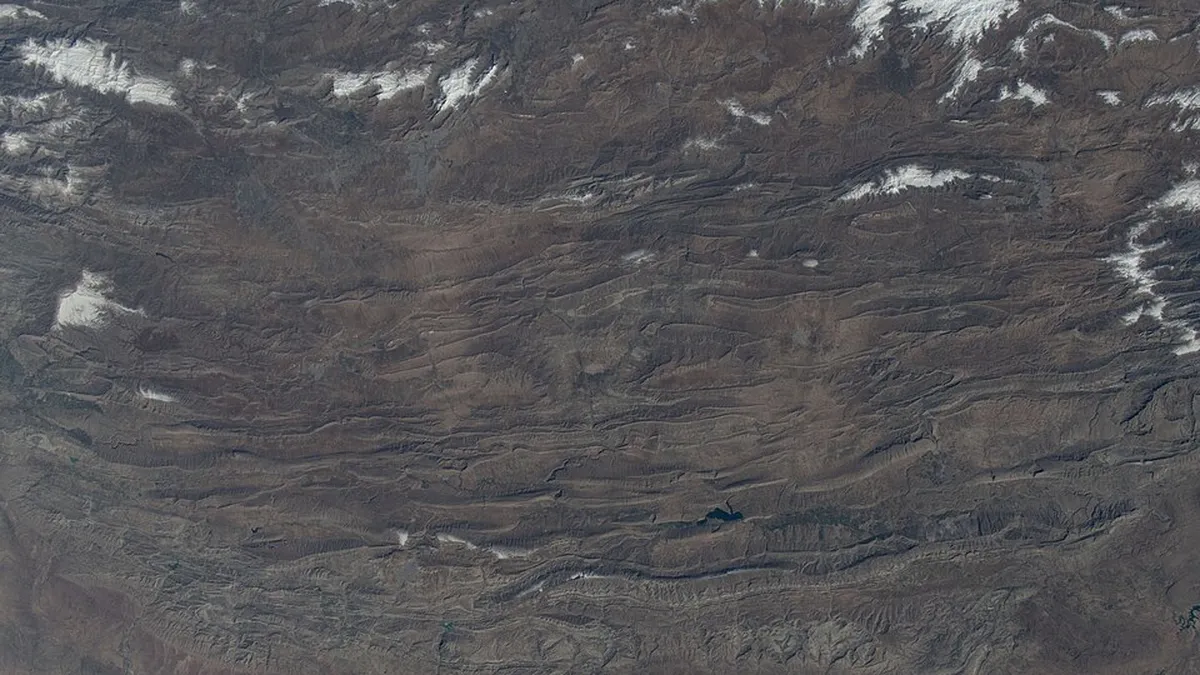
BEIRUT — The Zagros and Alborz mountain ranges stretch across Iran like fortress walls, their peaks rising over 14,000 feet above sea level. For Pentagon planners studying satellite imagery of potential invasion routes, these natural barriers represent a nightmare scenario that no amount of air superiority can overcome.
What's happening
• US troops deploying to Gulf region following Iranian petrochemical strike
• Military experts identify three possible ground invasion scenarios
• Iran's mountainous terrain spans 60% of the country's landmass
Why it matters
• Ground operations could exceed Afghan War costs within months
• Mountain warfare favors defending forces by 10-to-1 ratios
• Oil prices already reflect invasion premium above $115 per barrel
⬇ Full breakdown below
Geographic Fortress
Iran's 636,372 square miles dwarf Iraq's territory by nearly four times. The Zagros Mountains alone cover 150,000 square miles — larger than Germany — creating natural chokepoints where small Iranian units could halt entire US divisions.
"Mountain warfare is the graveyard of conventional armies," says Dr. Michael Eisenstadt, senior fellow at the Washington Institute for Near East Policy. "The terrain favors guerrilla tactics, nullifies technological advantages, and turns every ridge into a potential killing field."
The northern Alborz range presents even steeper challenges. These peaks, some exceeding 18,000 feet, create weather patterns that ground aircraft for weeks. Winter temperatures drop to minus-40 Fahrenheit.
Here's what most people are missing: Iran's Revolutionary Guard has spent four decades preparing for exactly this scenario.
The Three Scenarios
US military planners have identified three possible invasion routes, each presenting catastrophic risks. The first involves seizing Iranian islands controlling the Strait of Hormuz — Qeshm, Larak, and Abu Musa. These positions could shut down 20% of global oil supplies.
But this is where it gets dangerous.
Iranian anti-ship missiles positioned in mountain caves along the coast remain invisible to satellite surveillance. The Revolutionary Guard has converted natural caverns into launch sites that can fire on US naval forces from multiple directions simultaneously.
The second scenario targets Iran's southern coastline near Bandar Abbas. This approach requires amphibious landings across 200 miles of heavily defended shoreline, followed by immediate mountain warfare against entrenched positions.
"Any beach landing would face the same problems as D-Day, except the defenders have had 40 years to prepare and modern weapons," warns retired Army Colonel Douglas Macgregor.
The third option — invasion through Kurdish areas in western Iran — faces different but equally lethal challenges.
Kurdish Corridor Complications
Western Iran's Kurdish regions offer flatter terrain but create political minefields. Turkey opposes any operation that strengthens Kurdish autonomy, while Iraq's government refuses to allow US forces transit rights for Iranian invasion.
The geography here tells its own story. The border mountains between Iraq and Iran rise to 12,000 feet, creating narrow passes easily defended by small units. Iranian forces have fortified these chokepoints since the 1980-1988 war with Iraq.
Weather becomes another enemy. Winter storms regularly close mountain passes for months, while summer temperatures exceed 120 degrees Fahrenheit in lower elevations.
And this is what markets are really afraid of: extended ground combat that could last years.
Desert Death Trap
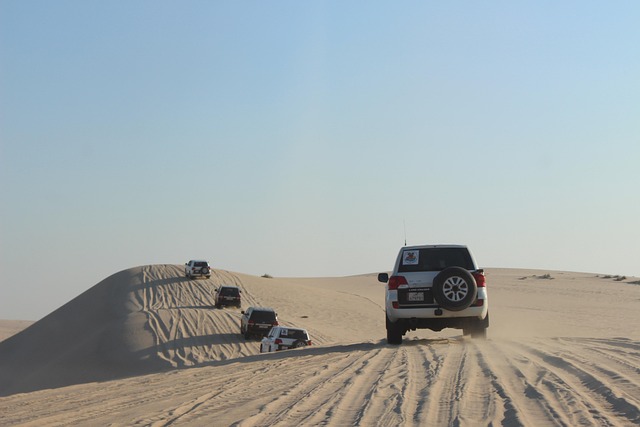
Beyond the mountains lie Iran's two great deserts — the Dasht-e Kavir and Dasht-e Lut. These wastelands cover 200,000 square miles of salt flats, sand dunes, and temperatures that have reached 177 degrees Fahrenheit.
US forces would need massive supply lines stretching hundreds of miles across terrain where a single broken axle can strand entire convoys. Iranian forces, operating from prepared positions, could strike supply columns then disappear into landscape they've known since childhood.
The real test hasn't even begun yet.
What Comes Next
As US transport aircraft continue their approach to Gulf bases, the Pentagon faces a choice between limited airstrikes and full-scale invasion. The geography suggests airstrikes alone cannot eliminate Iran's nuclear program or military capabilities.
But ground invasion means accepting casualties potentially exceeding every US conflict since World War II. Iran's mountains don't care about American technological superiority — they've been stopping armies for 2,500 years.
Readers interested in regional military dynamics should examine how Iran's proxy network throughout the Middle East could activate during any US ground operation.

Discussion