
Trump's Iran Sanctions Review Targets Financial Sector
New enforcement strategy could freeze remaining Iranian banks from global system as oil prices climb past $115
PARIS — Oil just broke $115 — and this isn't about supply shortages. It's about a sanctions review that could cut Iran's last financial lifelines to the global economy.
What's happening
• Trump administration reviewing Iran sanctions enforcement strategy
• Focus on financial institutions evading current restrictions
• Treasury examining banking intermediaries and shell companies
Why it matters
• Could freeze Iran's remaining international transactions
• Energy markets pricing in supply disruption risk
• European banks face compliance pressure
⬇ Full breakdown below
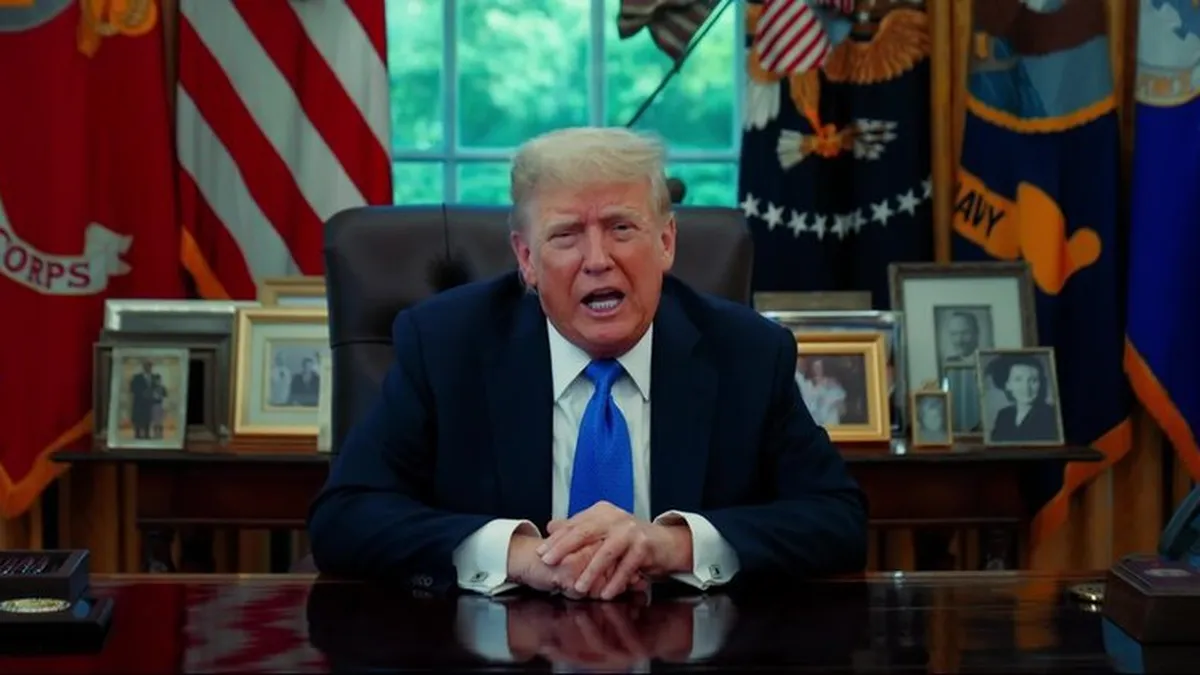
The review represents President Trump's most aggressive move yet against Iranian financial networks since returning to office. Unlike the broad-brush sanctions of his first term, this effort targets the sophisticated workarounds Tehran has developed over eight years of restrictions.
Here's what most people are missing: Iran never fully disconnected from the global banking system.
The Financial Underground
Iranian institutions have maintained access through a network of smaller regional banks, cryptocurrency exchanges, and trade financing schemes that Treasury enforcement has struggled to monitor. These channels process an estimated $40 billion annually in Iranian trade flows, according to sanctions compliance experts.
"The Iranians became remarkably creative during the Biden years," said Sarah Chen, a former Treasury sanctions coordinator now at the Atlantic Council. "They built redundancy into every financial pathway."
But this is where it gets dangerous for markets.
Energy Market Calculations
Oil traders aren't just pricing current Iranian exports — they're calculating what happens if Tehran loses its ability to receive payments entirely. Iran pumps roughly 3.2 million barrels daily, with about 1.8 million reaching international markets despite existing sanctions.
"If payment systems get severed completely, Iranian oil becomes essentially unbankable," explained Marcus Weber, energy analyst at Rystad Energy. "That's different from sanctions that just make it expensive or complicated."
Energy markets are pricing this scenario at roughly 15% probability, based on options trading patterns.
This is where things start to break down.
European Banking Pressure
European institutions face the sharpest compliance pressure under the review. Several major EU banks maintain correspondent relationships with regional lenders that process Iranian transactions, creating potential secondary sanctions exposure.
The review examines whether these arrangements constitute sanctions violations, putting European financial institutions in an impossible position: maintain regional partnerships or ensure U.S. market access.
"European banks are already pulling back from anything that looks Iranian-adjacent," said a senior compliance officer at a major European institution, speaking anonymously. "The risk-reward calculation changed completely when Trump returned."
And this is what markets are really afraid of:
Economic Cascade Effects
A complete financial severing would trigger effects beyond oil markets. Iran's remaining trade partnerships — particularly with China, India, and Russia — rely on payment mechanisms that often touch U.S.-regulated institutions somewhere in the transaction chain.
China processes roughly $25 billion in annual trade with Iran through state banks that maintain dollar clearing relationships. Those relationships become legally problematic under expanded sanctions enforcement.
Here's what happens next — and it's not pretty:
Implementation Timeline
Treasury officials indicate the review could produce new enforcement actions within 60 days. The department is coordinating with European regulators to minimize financial system disruption while maximizing Iranian isolation.
But the timing creates market volatility as energy traders position for potential supply disruptions during peak summer driving season.
The real test hasn't even begun yet. If Trump's sanctions review succeeds in truly isolating Iranian financial institutions, it will test whether Tehran can maintain oil exports through pure barter arrangements — and whether global energy markets can absorb that uncertainty.

Discussion