Iran oil exports crash 30% as bombed terminals fail
Minister claims crude sales strengthened during war, but satellite data shows Kharg Island operating at 60% capacity after strikes
TEHRAN — Iran's oil minister claimed Tuesday that crude sales have strengthened during the war. The satellites tell a different story.
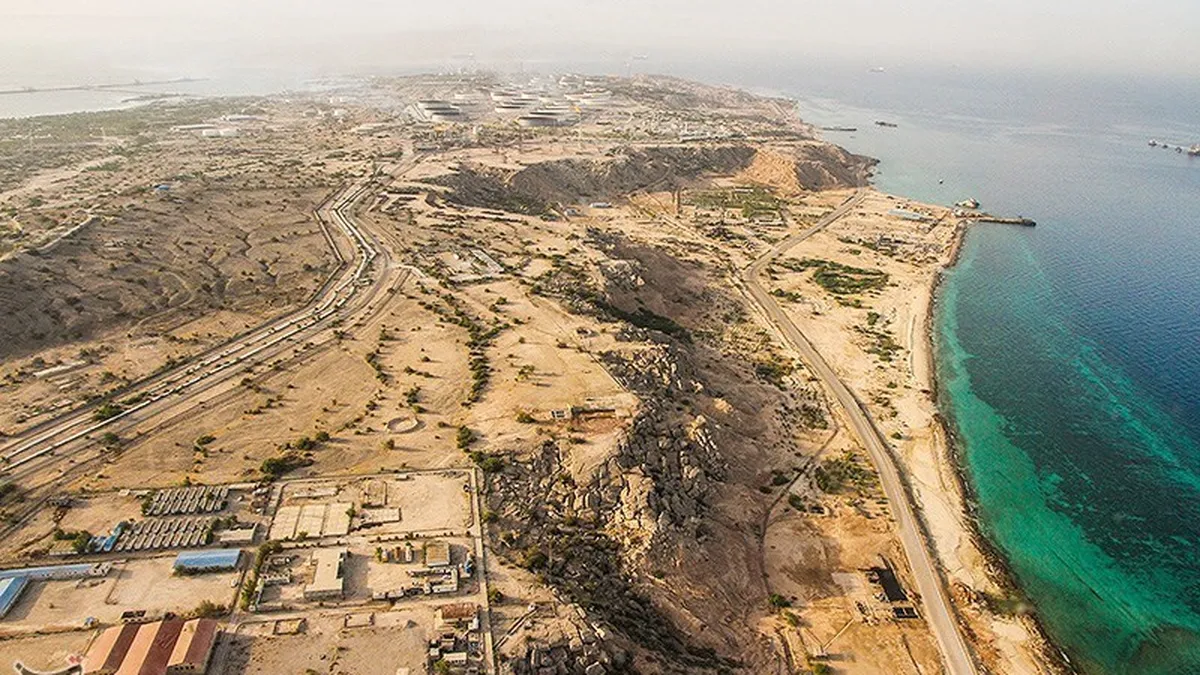
Oil Minister Mohsen Paknejad told state media that workers maintained operations at key facilities including Kharg Island, Iran's largest export hub. But satellite imagery analyzed by energy consultancy Petro-Logistics shows Kharg operating at 60% capacity since Israeli strikes damaged loading terminals in March.
Western intelligence estimates suggest Iranian exports have actually declined 30% since February. The contradiction highlights Iran's struggle to project strength while managing wartime damage to its energy infrastructure.
The real numbers
Iranian crude exports averaged 1.2 million barrels per day in March, down from 1.7 million in January, according to ship-tracking data from Kpler. Revenue loss: roughly $1.5 billion monthly at current prices.
"They're keeping the lights on, but the house is damaged," said Sara Vakhshouri, president of SVB Energy International. "Paknejad is trying to reassure domestic audiences that the oil sector remains functional."
Brent crude traded at $87.40 per barrel Tuesday, up 2.1% on supply concerns from the Gulf. Iranian heavy crude typically sells at a $8-12 discount to Brent due to sanctions and quality differences.
The minister's comments came during a visit to Abadan refinery, which suffered minor damage in U.S. airstrikes last month. Workers there described operating in shifts to maintain production while repairing bombed storage tanks.
"We work at night when the planes don't come," said one technician, speaking on condition of anonymity. "The oil must flow."
Chinese buyers demand deeper discounts
Iran's oil trade increasingly relies on Chinese buyers willing to risk secondary sanctions. But even Beijing-friendly companies are demanding steeper discounts as insurance costs spike.
Chinese independent refiners — known as "teapots" — have reduced Iranian crude purchases by 40% since the war began, according to traders in Singapore. They cite difficulties obtaining shipping insurance and concerns about U.S. enforcement.
"The Chinese are still buying, but they want $15-20 discounts now instead of $8-10," said one Asian crude trader. "The risk premium keeps climbing."
Iran has responded by offering deferred payment terms and providing its own tanker fleet for deliveries. The Islamic Republic of Iran Shipping Lines operates roughly 80 vessels, many flying flags of convenience to avoid detection.
U.S. Treasury sanctions target Iranian tankers weekly. Last Thursday alone, Washington blacklisted 12 vessels for carrying Iranian crude. Enforcement remains patchy in Asian waters.
War economy takes priority
Paknejad said oil revenues would fund repairs to damaged infrastructure. Iranian budget documents suggest military spending takes priority. The 2026-27 budget allocates 47% of oil income to defense, up from 31% pre-war.
That leaves limited funds for civilian energy projects. Iran's aging refinery network requires $15 billion in upgrades, according to National Iranian Oil Company estimates. The war has postponed most modernization plans.
Supreme Leader Mojtaba Khamenei — who assumed power after his father's death in February airstrikes — has emphasized oil sector resilience in recent speeches. But industry sources describe mounting maintenance backlogs and equipment shortages.
"They're running on fumes and spare parts," said one former NIOC engineer now based in Dubai. "The infrastructure was already stressed before the bombing started."
Western sanctions have blocked Iran from importing specialized refining equipment since 2018. Chinese and Russian suppliers provide some components, but delivery times have stretched from months to over a year.
Kharg Island vulnerability exposed
Kharg Island handles 90% of Iran's crude exports. Strategic vulnerability. The facility's four main loading berths can accommodate supertankers, but only two remain fully operational after March strikes.
Iran has shifted some exports to smaller terminals at Lavan Island and Bandar Abbas. But these facilities lack deep-water access for large tankers, forcing Iran to use ship-to-ship transfers that add costs and detection risks.
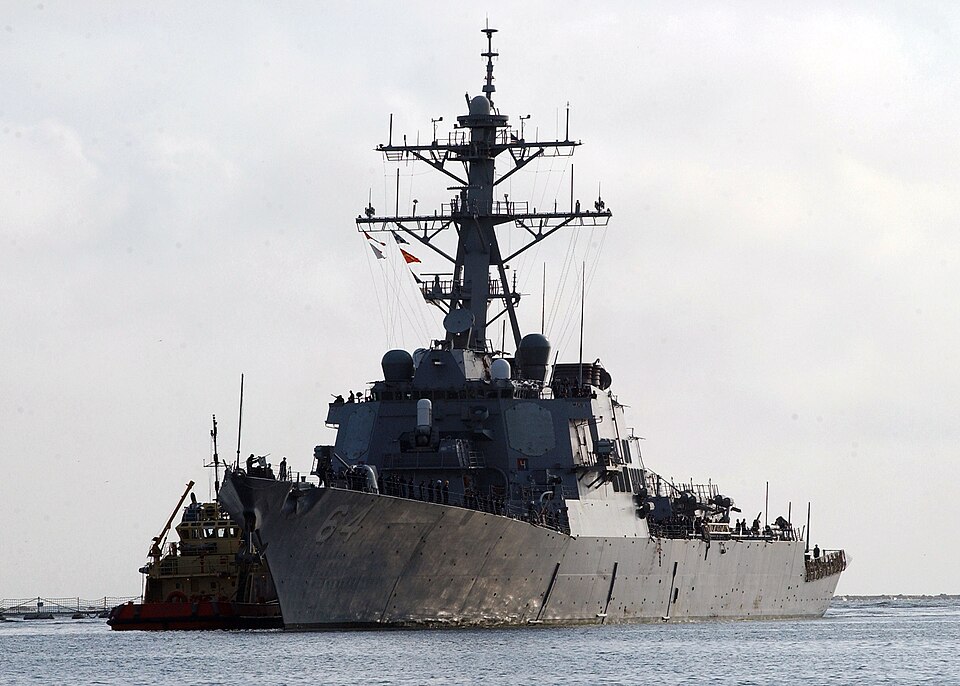
The Strait of Hormuz remains open despite U.S. naval patrols. Iranian tankers transit the waterway under escort from Revolutionary Guard speedboats, creating tense encounters with American warships.
"Every passage is a negotiation," said one maritime security analyst. "Nobody wants to trigger a wider escalation, but the risks keep building."
Insurance rates for tankers carrying Iranian crude have tripled since February. Lloyd's of London syndicates refuse coverage entirely, forcing Iran to rely on state-backed Chinese insurers.
Global markets feel the squeeze
Iranian supply disruptions have tightened global oil markets despite strategic reserve releases from the U.S. and allies. OPEC spare capacity sits at 2.1 million barrels per day — the lowest since 2008.
Saudi Arabia could increase production to offset Iranian losses. But Riyadh has shown little appetite for helping stabilize markets during the conflict. Crown Prince Mohammed bin Salman views Iran's energy struggles as strategically beneficial.
The next OPEC+ meeting is scheduled for June 4 in Vienna. Iran's production quota — if it retains one — will depend on how much capacity survives the war.
For now, Paknejad insists the oil keeps flowing. The satellites disagree.

Discussion