Oil Hits $116 as US Troops Mass for Iran Invasion
Brent crude soars 3% as America reportedly prepares ground assault on Kharg Island oil hub
PARIS — Oil markets just broke $116 — and this time, it's not about supply and demand. It's about a chokepoint that could reshape global energy for the next decade.
What's happening
• Brent crude surged 3.2% to $116.40, highest in 15 days
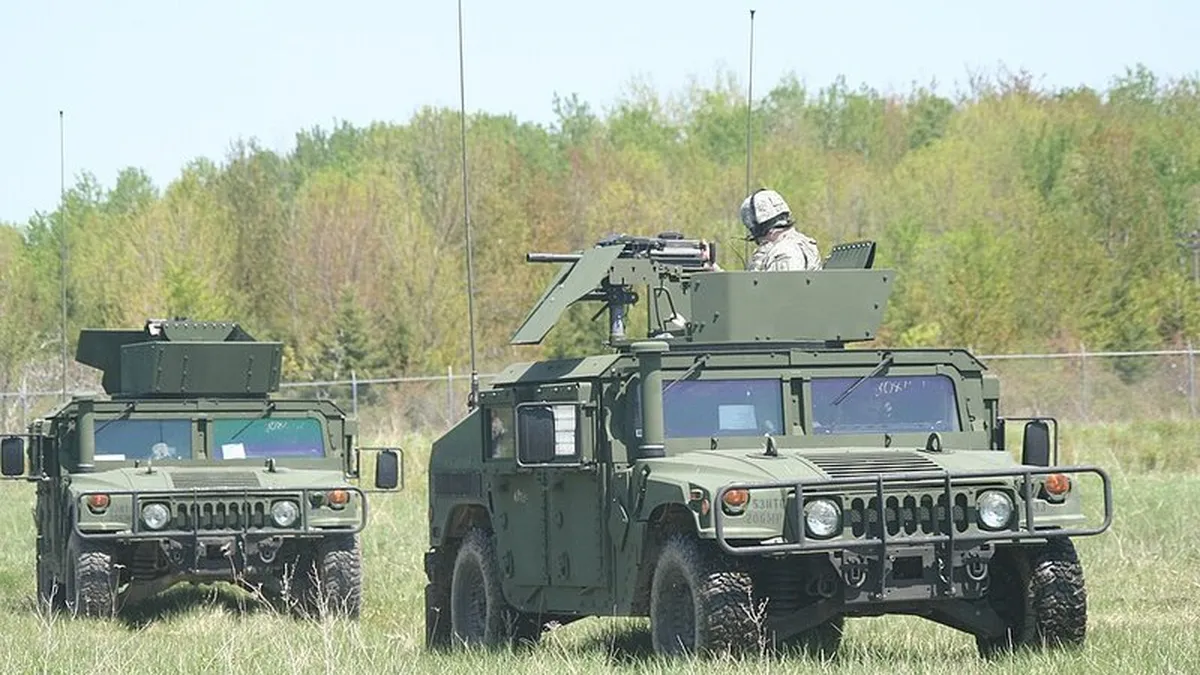
• US reportedly positioning 5,000+ troops for Kharg Island assault
• Iran's oil exports face complete shutdown threat
Why it matters
• Kharg Island handles 1.8 million barrels daily — 2% of global supply
• Energy costs could spike 25-30% across Europe and Asia
• Strategic petroleum reserves may need emergency releases
⬇ Full breakdown below
The Chokepoint Strategy
Kharg Island isn't just another oil facility. This artificial island 25 kilometers off Iran's coast processes nearly every barrel the country exports — roughly 1.8 million per day before sanctions tightened the screws.
Now Pentagon planners have apparently identified it as the crown jewel target.
"Taking Kharg would be like cutting Iran's financial jugular," explains Dr. Sarah Chen, energy security analyst at the International Crisis Group. "It's not just about stopping oil flow — it's about crippling the regime's primary revenue source."
Here's what most people are missing: this isn't about temporary disruption.
Market Panic Sets In
Traders aren't just pricing in supply cuts anymore. They're pricing in systemic breakdown of Middle Eastern energy infrastructure.
The 3% price spike Monday morning reflected something deeper than typical geopolitical premiums. Energy futures markets are now pricing in scenarios where Iran's entire export capacity goes offline for months, not weeks.
But this is where it gets dangerous.
European refineries still depend on Iranian crude despite sanctions — through complex shipping arrangements and third-party purchases. A complete shutdown would force immediate substitution buying, likely pushing prices past $125.
"We're looking at potential energy rationing across multiple European economies," warns former French Energy Minister Philippe Torreton. "The strategic reserves weren't designed for this scale of disruption."
Beyond the Oil Fields
The real震 isn't just energy markets. It's financial contagion.
Iran's government derives 60% of budget revenues from oil exports. Complete loss of Kharg Island operations would trigger immediate currency collapse, banking system stress, and potential regime instability.
That changes everything.
Regional allies including Iraq, Syria, and Lebanon — all dependent on Iranian financial support — face their own economic pressures. Energy-intensive industries from Germany's chemical sector to Japan's manufacturing base are already calculating production cuts.
Here's what that actually means: your heating bills, fuel costs, and food prices are about to reflect Middle Eastern military strategy.
What Happens Next
The window for diplomatic resolution is narrowing rapidly. Once US ground forces commit to Iranian territory, escalation becomes almost inevitable.
China and Russia — Iran's primary remaining oil customers — face their own calculations. Beijing particularly depends on Iranian crude for 8% of total imports. Losing that supply means immediate pressure on already-strained global markets.
Meanwhile, Saudi Arabia and UAE producers are approaching maximum sustainable output. There's simply no spare capacity to replace 1.8 million barrels daily.
And if Iran retaliates by mining the Strait of Hormuz — through which 20% of global oil transits — we're looking at $150+ crude within days.
The real test hasn't even begun yet. For additional context on Middle Eastern energy security dynamics, readers should examine the broader implications of regional supply chain vulnerabilities.


Discussion