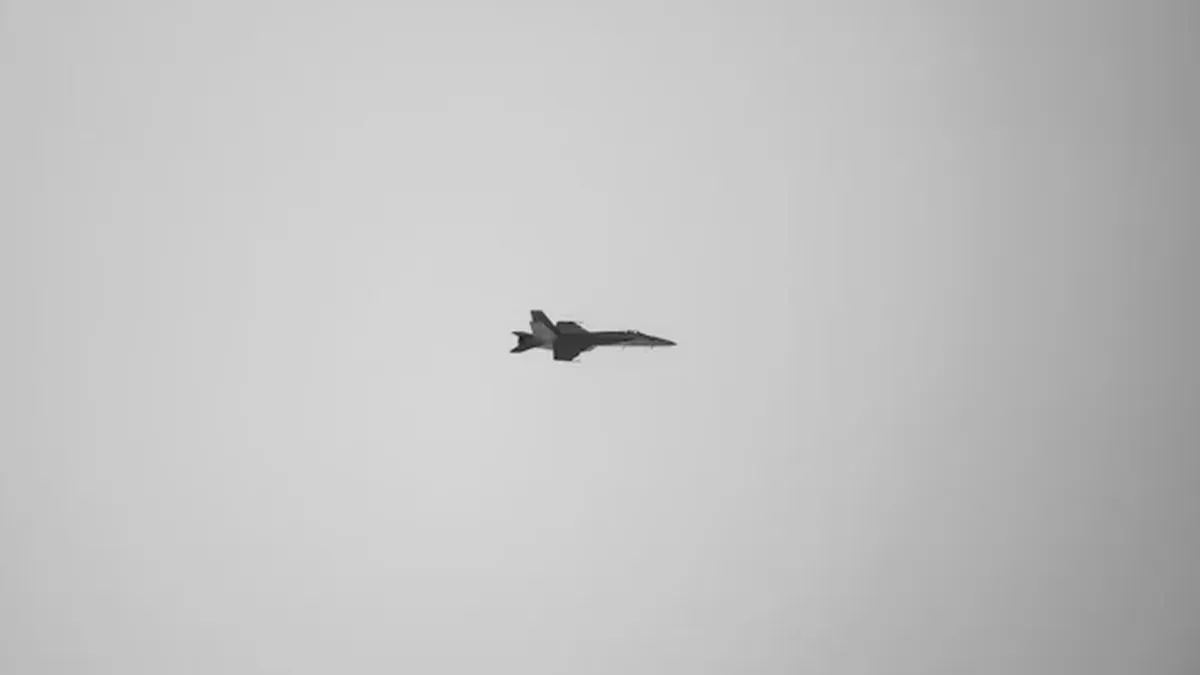
Iran Claims First F-35 Shootdown Amid Regional Tensions
Tehran alleges downing of advanced US stealth fighter as military confrontation escalates in Persian Gulf
WASHINGTON — Iran's Revolutionary Guard announced Monday it had successfully engaged and destroyed a U.S. F-35 Lightning II stealth fighter jet during what Tehran described as an "unprovoked incursion" into Iranian airspace near the Strait of Hormuz.
The claim, if verified, would represent a significant escalation in regional tensions and mark the first combat loss of the F-35, America's most expensive weapons program at over $400 billion.
What Iran Claims Happened
Revolutionary Guard Aerospace Commander Brigadier General Hassan Shahvarpour told state media that Iranian forces used "advanced air defense systems" to track and engage the aircraft at approximately 0300 local time. Shahvarpour declined to specify which weapons system was employed but suggested Iran had overcome the F-35's stealth capabilities.
"The enemy's so-called invisible aircraft proved quite visible to our operators," Shahvarpour stated during a televised briefing. "This demonstrates the futility of American technological superiority claims."
Iranian officials released radar imagery purporting to show the aircraft's flight path, though independent verification remains impossible. No wreckage has been displayed publicly.
Pentagon Response and Silence
The Pentagon has maintained official silence on the Iranian claims, with Defense Secretary Lloyd Austin's office declining comment "on operational matters." However, defense officials speaking anonymously expressed skepticism about Iran's capabilities to defeat F-35 stealth technology.
"The F-35's low observable characteristics make it extremely difficult to track using conventional radar systems," said Dr. Rebecca Martinez, defense analyst at the Center for Strategic and International Studies. "If Iran has indeed achieved this, it suggests either significant technological advancement or operational error on the American side."
The silence contrasts sharply with typical Pentagon practice of quickly debunking false Iranian military claims, raising questions about whether an incident did occur.
Regional Implications
The alleged shootdown comes amid heightened naval activity in the Persian Gulf, where Iranian speedboats have repeatedly approached U.S. Navy vessels in recent weeks. Regional allies including Saudi Arabia and the UAE have increased their own military readiness following intelligence reports of potential Iranian retaliation for recent sanctions.
Iran's claim arrives at a particularly sensitive moment, as indirect nuclear negotiations between Washington and Tehran have stalled over uranium enrichment levels. European mediators had hoped to restart talks this month, but military confrontation could derail diplomatic efforts entirely.
"This incident, real or fabricated, serves Iran's strategic messaging," explained former State Department official Thomas Krajeski. "Tehran wants to demonstrate it can impose costs on American military presence while testing the new administration's response."
What Comes Next
The F-35 program has faced persistent technical challenges since its inception, including software glitches and maintenance issues that have grounded entire fleets. However, no combat losses had been confirmed until Iran's Monday announcement.
If verified, the incident would likely prompt immediate operational reviews of F-35 deployments across the Middle East and questions about stealth technology vulnerabilities. Congress has already scheduled hearings on the program's cost overruns and performance issues.
More immediately, the Biden administration faces pressure to respond proportionally without triggering broader regional conflict. Military analysts expect increased intelligence gathering flights and possible naval reinforcements to demonstrate continued American presence.
The incident underscores growing Iranian confidence in challenging U.S. military superiority, following successful drone strikes against regional targets and advances in missile technology that have concerned Pentagon planners for months.



Discussion