Iran Attacks Ship in Hormuz — Oil Markets Brace for War
IRGC targets Israel-linked vessel in world's busiest oil chokepoint as Trump weighs military response options
LONDON — The Iranian Revolutionary Guard Corps didn't just attack a ship yesterday. They fired the first shot in what could become the oil crisis of 2026.
What's happening
• IRGC targeted Israel-linked commercial vessel in Strait of Hormuz
• First direct military action in waterway under Trump administration
• Oil futures jumped 8% in overnight trading
Why it matters
• 20% of global oil passes through this 21-mile chokepoint daily
• Any closure would trigger immediate energy emergency across Europe and Asia
• Trump faces first major Middle East test since taking office
⬇ Full breakdown below
What Happened
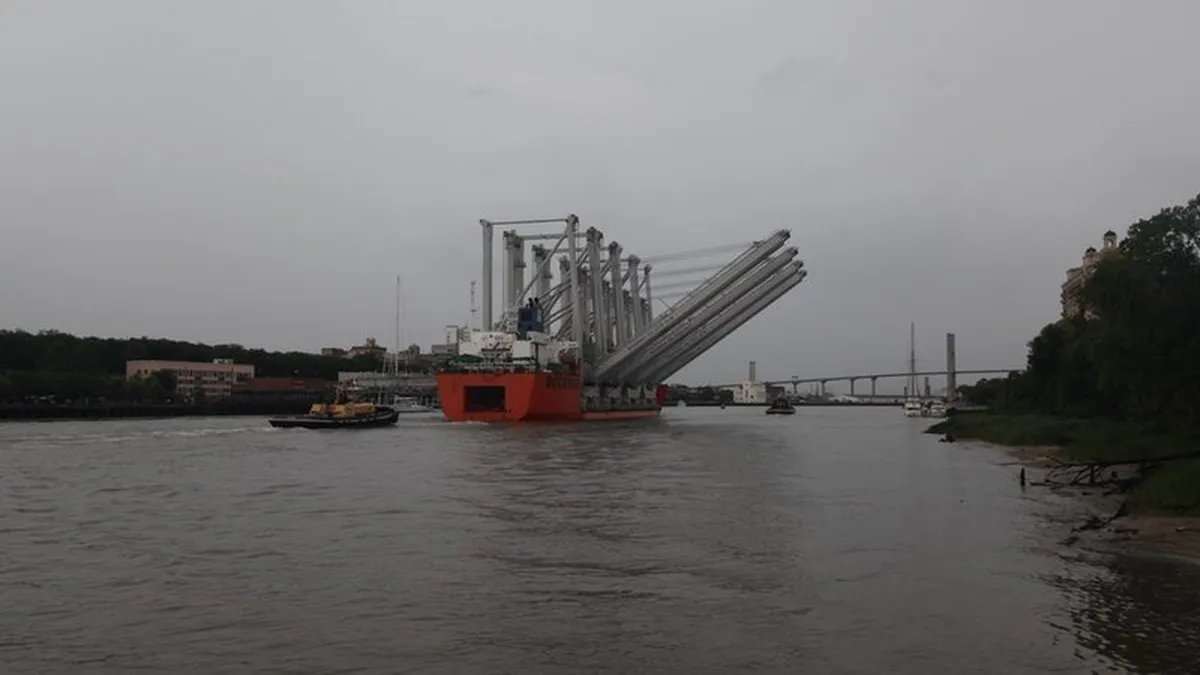
The Revolutionary Guards used fast attack boats to target what they described as an "Israel-linked vessel" transiting the narrow waterway between Iran and Oman. Iranian state media released footage showing speedboats approaching a commercial tanker flying Panamanian colors.
This wasn't random harassment. Tehran chose the Strait of Hormuz deliberately — the world's most critical energy chokepoint where $1.2 trillion worth of oil passes annually.
Here's what most people are missing: This attack represents Iran's calculated escalation designed to test President Trump's resolve without triggering immediate war.
Strategic Calculations
"Iran is probing Trump's red lines in the most sensitive location possible," said Admiral James Richardson, former Chief of Naval Operations. "They're betting he won't risk a broader conflict over a single commercial vessel."
The timing reveals Tehran's strategic thinking. With European energy prices already elevated and China's economy struggling, any sustained disruption to Hormuz shipping lanes would create immediate global economic pressure on Washington.
But this is where it gets dangerous: Trump campaigned on maximum pressure against Iran, and his national security team includes several Iran hawks who view military deterrence as essential.
Regional Implications
The attack occurs as Israel continues operations against Iranian proxies across the region. Netanyahu's government has repeatedly threatened direct strikes on Iranian nuclear facilities, creating a powder keg that yesterday's incident could ignite.
Saudi Arabia and UAE — both heavily dependent on Hormuz for oil exports — now face impossible choices. Support Trump's potential retaliation and risk Iranian strikes on their facilities, or remain neutral and undermine regional deterrence.
"The Gulf states are caught between American expectations and Iranian threats," noted Dr. Kristian Ulrichsen at Rice University's Baker Institute. "Any miscalculation here affects global energy security for months."
And this is what markets are really afraid of: Iran holds the ability to close Hormuz entirely using naval mines, anti-ship missiles, and swarm boat tactics.
What Comes Next
President Trump faces three options, none of them good. Military retaliation risks broader conflict that could close Hormuz completely. Diplomatic responses signal weakness that Iran will exploit. Economic sanctions have already reached maximum levels.
The real test hasn't even begun yet. Iran's Revolutionary Guards operate with significant autonomy, meaning yesterday's attack might be the opening move in a sustained campaign designed to fracture Trump's Middle East coalition.
If Tehran continues escalating in Hormuz, this regional crisis becomes a global energy emergency that reshapes international relations for years. The next 72 hours will determine whether yesterday's attack remains an isolated incident or the first domino in a much larger confrontation.
Readers seeking context on Iran's maritime strategy should examine the country's previous Hormuz provocations during the Obama and Biden administrations.



Discussion