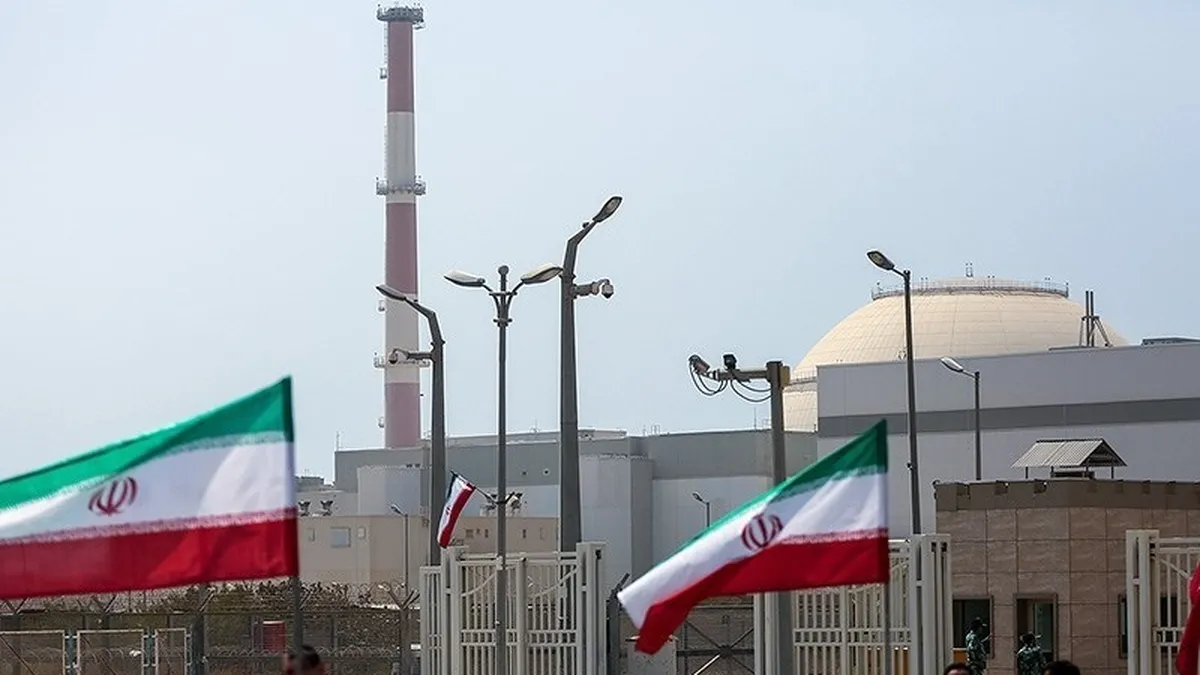
Russia Pulls 198 Workers From Iran Nuclear Plant After Strike
Largest evacuation yet signals escalating nuclear risks as Rosatom warns of 'worst-case scenario' unfolding at Bushehr facility
PARIS — Oil futures spiked past $115 on Friday as Russia pulled nearly 200 nuclear technicians from Iran's Bushehr atomic plant — and this isn't just about energy security anymore. It's about nuclear materials in a war zone.
What's happening
• Russia evacuated 198 workers after US-Israeli strikes hit the facility Saturday
• Rosatom warns of "worst-case scenario" developing at nuclear site
• Largest staff withdrawal since conflict escalation began
Why it matters
• Nuclear accident risks mounting at operational reactor
• Global energy markets pricing in radioactive contamination scenarios
• Precedent set for targeting atomic facilities in warfare
⬇ Full breakdown below
Emergency Protocols Activated
Russian nuclear agency Rosatom confirmed the mass evacuation represents its most significant personnel withdrawal from Iranian facilities to date. Agency director Alexey Likhachev told Russian media that "developments near the plant were unfolding in line with the worst-case scenario."
The Bushehr plant houses Russia's only operational nuclear reactor in Iran, generating roughly 1,000 megawatts of electricity for the Iranian grid.
Here's what most people are missing: This evacuation isn't standard wartime protocol — it signals imminent infrastructure collapse.
Strike Impact Assessment
Saturday's coordinated US-Israeli operation targeted supporting infrastructure around the Bushehr complex, according to regional intelligence sources. While the reactor core remained intact, critical cooling systems and security perimeters sustained damage.
"We're looking at a scenario where operational safety margins are rapidly degrading," said Dr. Sarah Mitchell, nuclear security analyst at the International Institute for Strategic Studies. "When you pull technical staff during active operations, you're essentially admitting the facility may become unmanageable."
And this is where it gets dangerous: Iranian personnel lack the specialized training to maintain Russian reactor systems independently.
Regional Contamination Concerns
The Bushehr facility sits 17 kilometers from the Persian Gulf coastline, placing critical shipping lanes within potential fallout zones. Any radiological release would immediately impact maritime traffic through the Strait of Hormuz — the world's most vital energy chokepoint.
Gulf Arab states have activated emergency monitoring systems across their territories, with Kuwait and Saudi Arabia placing medical facilities on heightened alert status.
Secretary of State Marco Rubio addressed contamination risks during Thursday's NATO briefing, stating that "all contingencies are being evaluated" regarding potential evacuation assistance for regional allies.
Market Psychology Shifts
Energy traders aren't just pricing oil scarcity anymore — they're calculating radiological disaster premiums. Brent crude futures jumped 8% in Friday trading, with analysts attributing the surge to nuclear accident probability modeling.
"Markets are treating this like Chernobyl-level systemic risk," explained commodity strategist James Richardson at Goldman Sachs International. "When nuclear facilities become legitimate military targets, traditional risk assessment frameworks break down completely."
That changes everything for global supply chain planning.
Nuclear Precedent Problem
President Trump's administration faces unprecedented diplomatic pressure as the first to authorize direct strikes against operational atomic infrastructure. The precedent establishes nuclear facilities as legitimate wartime targets — a red line that hadn't been crossed since Iraq's Osirak reactor in 1981.
But this is only part of the story: Iran operates multiple nuclear sites across its territory, each presenting similar vulnerabilities.
European allies have privately expressed concern that escalatory dynamics could spread beyond Iranian facilities, potentially threatening civilian nuclear infrastructure across the region. France operates 56 nuclear reactors, while Turkey's Akkuyu plant remains under Russian technical supervision.
What Happens Next
Russia's evacuation timeline suggests Rosatom expects facility conditions to deteriorate within days rather than weeks. Additional technical staff withdrawals would effectively shut down reactor operations, leaving Iran without nuclear electricity generation and potentially unstable radioactive materials.
Iranian officials haven't responded to evacuation announcements, but regional proxies have threatened retaliation against Israeli nuclear research facilities near Dimona.
Here's what that actually means: We're entering uncharted territory where nuclear infrastructure becomes both weapon and target.
The real test hasn't even begun yet — and if reactor containment fails, this won't stay a regional crisis.
*For background analysis on Middle East nuclear proliferation risks, see our previous coverage of regional atomic programs.*

Discussion