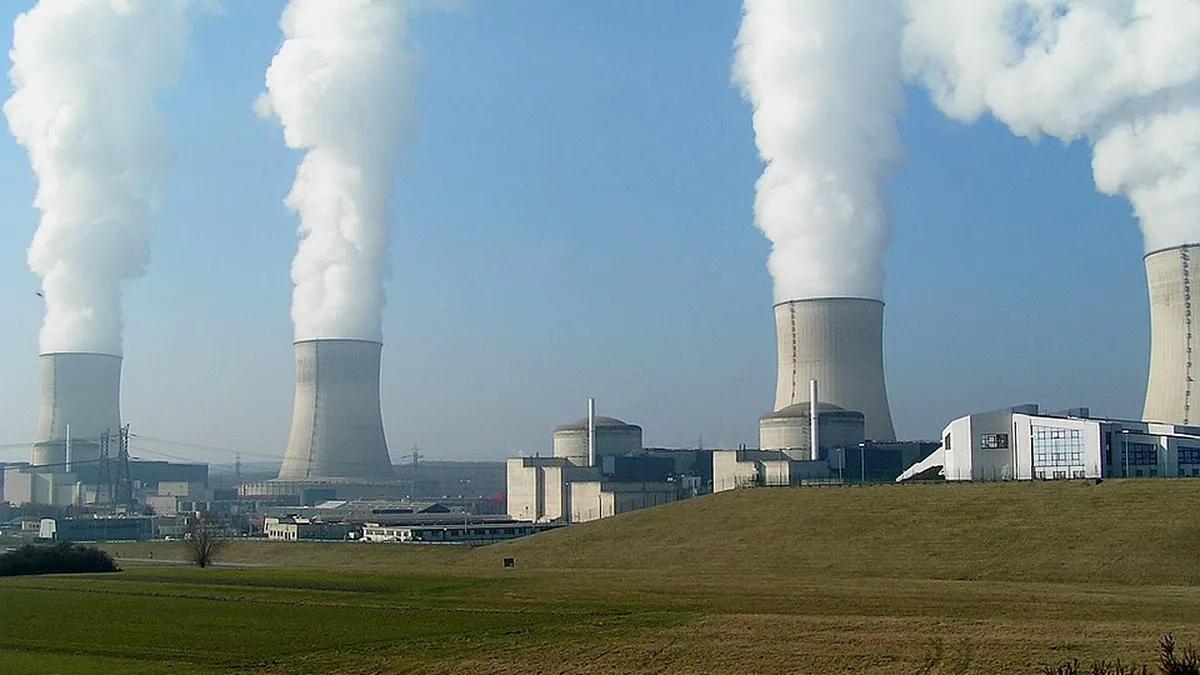
Iran rejects US nuclear deal, Israel strikes 12 hours later
Tehran said no to $2.8B offer on April 11. F-35s hit Natanz enrichment site before dawn. Pakistan's mediation effort collapses.
WASHINGTON — The nuclear offer was on the table for six days. Iran said no. Then came the airstrikes.
Senior U.S. officials revealed Thursday that Tehran rejected a classified proposal for limited nuclear cooperation just hours before Israeli jets hit Iranian enrichment facilities near Natanz. The timing suggests Washington made one final diplomatic push before green-lighting Israel's most significant strike on Iran's nuclear program since 2010.
Still unclear. ## The deal Tehran walked away from
The proposal, delivered through Pakistani intermediaries on April 6, would have allowed Iran to maintain civilian nuclear research while accepting enhanced IAEA monitoring. In exchange, the U.S. would have lifted sanctions on Iranian medical isotope imports and unfrozen $2.8 billion in humanitarian funds.
"We gave them a path that preserved their dignity and their research capacity," said Deputy Secretary of State Kurt Campbell. "They chose escalation instead." Markets already know.
Iran's rejection came in a terse message delivered to Pakistan's Foreign Minister Bilawal Bhutto-Zardari at 11:47 PM local time on April 11. Twelve hours later, Israeli F-35s were airborne. Markets already know.
The sequence raises uncomfortable questions about coordination between Washington and Tel Aviv. U.S. officials insist they did not authorize the strikes. But they also did not stop them.
Why the math just changed
Iran is now 47 days from weapons-grade uranium, according to IAEA estimates. That timeline just got longer. The Natanz strikes damaged centrifuge cascades that were producing 60% enriched uranium — Iran's highest level to date.
But here's the problem with that calculation: Iran has backup facilities. And Thursday's strikes may have convinced Tehran that diplomacy is dead.
"The window for negotiation just got much smaller," said Dennis Ross, former Middle East negotiator now at the Washington Institute. "Iran will see this as proof that America's word means nothing when Israel decides to act."
The rejected offer reveals how desperate Washington has become to avoid a regional nuclear crisis while managing an increasingly assertive Israeli government. Prime Minister Netanyahu has made clear he will not accept Iranian nuclear weapons capability. Period.
What the commanders are watching
Intelligence reports suggest Iran is moving sensitive nuclear equipment to the Fordow facility, buried deep in a mountain near Qom. That site is effectively immune to conventional airstrikes. Israel would need bunker-busting weapons that only the U.S. possesses.
Pentagon sources say no such weapons transfers are planned. Yet.
The strikes also hit Iran's Parchin military complex, where weapons-related nuclear research allegedly occurred until 2003. Satellite imagery shows extensive damage to machine shops and testing facilities. Iran claims the site was producing conventional missiles.
"They weren't making bottle rockets at Parchin," said one senior defense official who spoke on condition of anonymity. "This was weapons-related work."
Iran's response has been measured so far. Revolutionary Guard naval units conducted exercises in the Strait of Hormuz on Thursday, but kept shipping lanes open. Brent crude spiked to $96 per barrel before settling at $94.
Pakistan's credibility problem
Islamabad's role as mediator is now in jeopardy. Pakistani officials spent weeks crafting the nuclear proposal, believing they had found middle ground both sides could accept. Iran's rejection embarrassed Prime Minister Shehbaz Sharif, who had personally guaranteed Tehran's good faith.
"Pakistan put its credibility on the line," said Moeed Yusuf, former Pakistani national security advisor. "Iran just burned it."
The collapse leaves Pakistan with limited options for containing a conflict on its doorstep. Sharif is scheduled to visit Beijing next week, likely seeking Chinese intervention to restart dialogue.
China has its own interests. Iranian nuclear weapons would trigger a regional arms race that could eventually reach Pakistan — Beijing's closest ally. But Chinese influence in Tehran has limits, as Thursday's events demonstrated.
The choice Iran faces now
Iran faces a stark choice. Accept that its nuclear program will face regular Israeli attacks, or cross the weapons threshold and risk everything. Supreme Leader Ali Khamenei has historically chosen survival over confrontation.
This time may be different.
The IAEA Board of Governors meets in Vienna on April 28. Director General Rafael Grossi is expected to present updated assessments of Iran's nuclear capabilities after the strikes. Those numbers will determine whether diplomacy gets another chance.
For now, the rejected nuclear offer sits in a classified file in Foggy Bottom. A reminder that six days can change everything. And sometimes, saying no is the most dangerous word in diplomacy.
The next window opens when Iran decides whether to rebuild what Israel destroyed — or build something else entirely.



Discussion