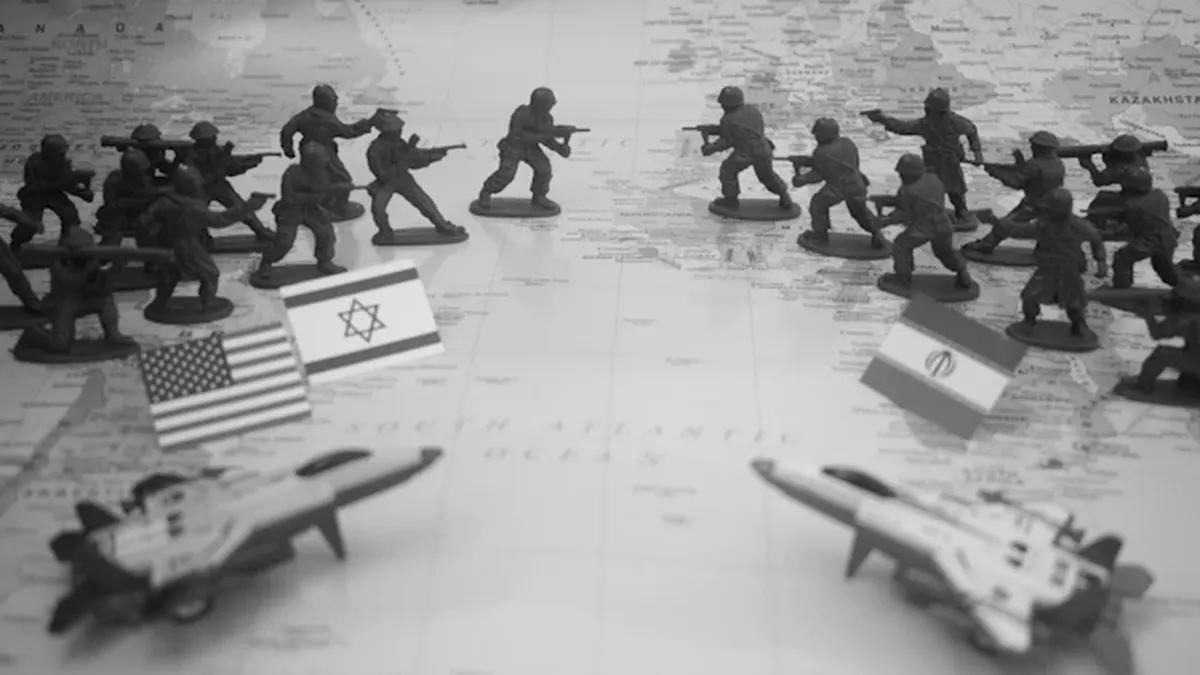
Iran War Enters Month Two With No Exit Strategy
US-Israel strikes show no signs of ending as Tehran threatens escalation beyond Middle East
LONDON — The war everyone said would last days has now dragged into its fifth week, and the math is getting terrifying.
What's happening
• US-Israel strikes have hit 47 Iranian targets across 15 provinces
• Oil futures jumped 12% overnight to $127 per barrel
• Iran's Revolutionary Guard warns of strikes beyond regional boundaries
Why it matters
• Global supply chains face disruption as shipping rates soar 300%
• Energy costs threaten to trigger recession in Europe and Asia
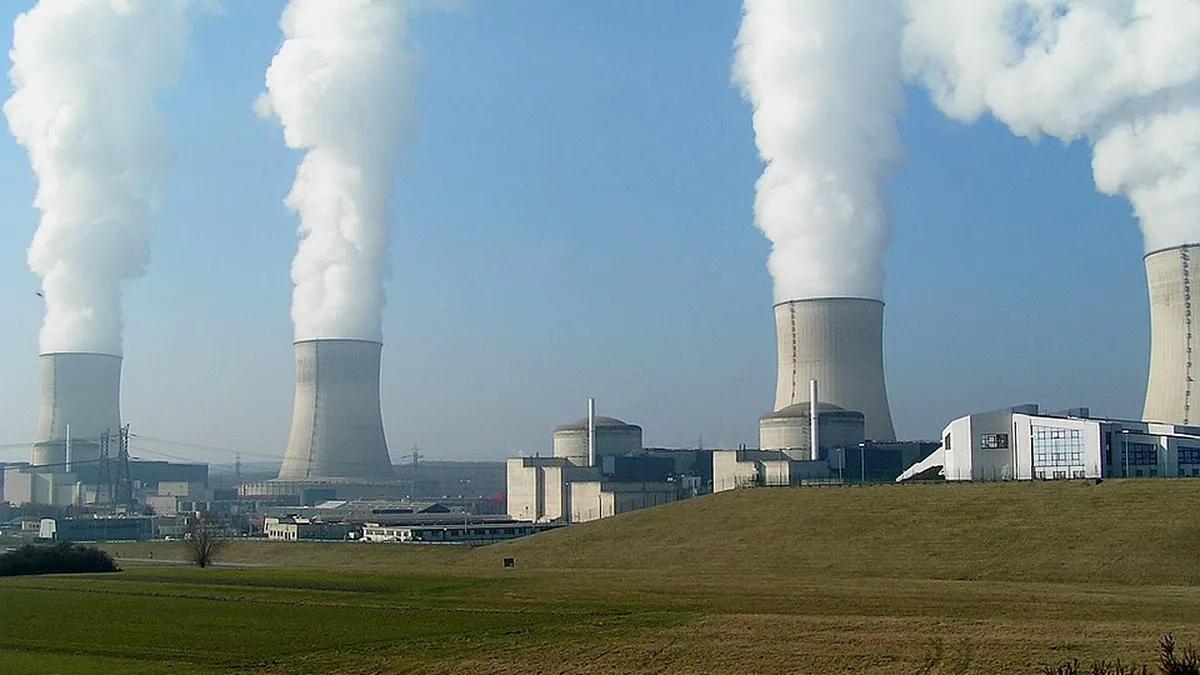
• Nuclear facilities remain unconfirmed targets despite satellite evidence
⬇ Full breakdown below
What Started as Precision Has Become Punishment
The original Israeli strategy focused on surgical strikes against Iran's proxy networks and missile facilities. That playbook is now abandoned. Intelligence sources confirm the campaign has expanded to include civilian infrastructure, oil refineries, and what one senior Pentagon official describes as "anything that keeps the Iranian state functioning."
"We've crossed from tactical operations into strategic warfare," says Dr. Maria Hendricks, former CIA station chief in Tehran. "This isn't about degrading capabilities anymore — it's about regime survival."
Here's what most people are missing: Iran hasn't used its most dangerous weapons yet.
The Chokepoint That Changes Everything
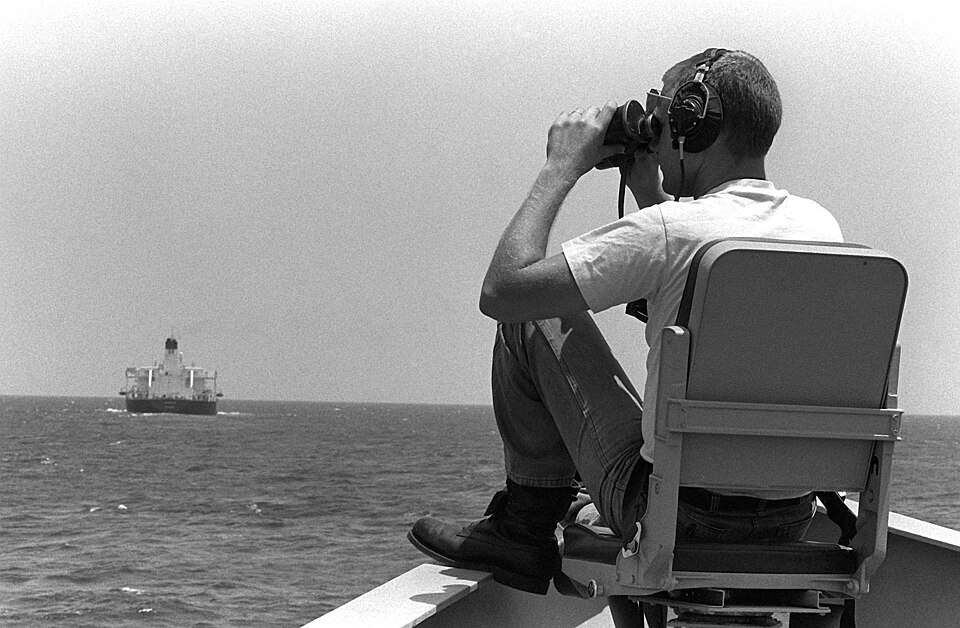
The Strait of Hormuz remains open, but barely. Iranian naval forces have positioned anti-ship missiles along the coastline while maintaining they won't close the waterway. That calculated restraint may be ending.
Satellite imagery from March 26 shows unusual movement of Iranian submarines near the strait's narrowest point. If Tehran decides to block this chokepoint — through which 21% of global petroleum passes — energy markets will enter freefall.
And this is where it gets dangerous: closing Hormuz would force direct US military intervention to reopen it.
Regional Players Choose Sides
Saudi Arabia quietly opened its airspace to Israeli aircraft on March 24, marking a seismic shift in Gulf geopolitics. The kingdom calculates that Iranian regional dominance poses a greater threat than temporary energy market chaos.
Meanwhile, Turkey's President Erdogan warned against "foreign powers destroying regional stability" — diplomatic code for potential Turkish intervention if the conflict spreads to Syria or Iraq.
"The regional order established after 1979 is collapsing in real time," explains Professor James Mitchell, Middle East analyst at King's College London. "We're watching the birth of new alliance structures that will define the next generation."
Russia and China remain conspicuously silent, calculating whether Iranian weakness serves their broader strategic interests.
What Happens Next — And It's Not Pretty
Iran's promise of a "heavy price" likely refers to activation of sleeper cells across Europe and the Gulf. Intelligence agencies are tracking unusual communications patterns suggesting coordinated attacks on Western infrastructure may be imminent.
The timeline matters: Iranian decision-makers face mounting pressure as their economy contracts by an estimated 4% weekly. Desperate regimes make desperate choices.
Energy markets are pricing in scenarios most analysts won't discuss publicly — including potential Iranian strikes on Saudi and Emirati oil facilities. Such attacks would push crude prices above $150 per barrel within hours.
Here's the calculation keeping policymakers awake: every additional week of conflict increases the probability of nuclear escalation by an estimated 15%.
The Real Test Hasn't Even Begun Yet
This conflict will reshape global energy security, regional power balances, and nuclear proliferation dynamics for decades. The question isn't whether it ends, but what emerges from the wreckage.
For context on how regional proxy networks operate, readers should examine the evolution of Iran's influence architecture since 2003.


Discussion