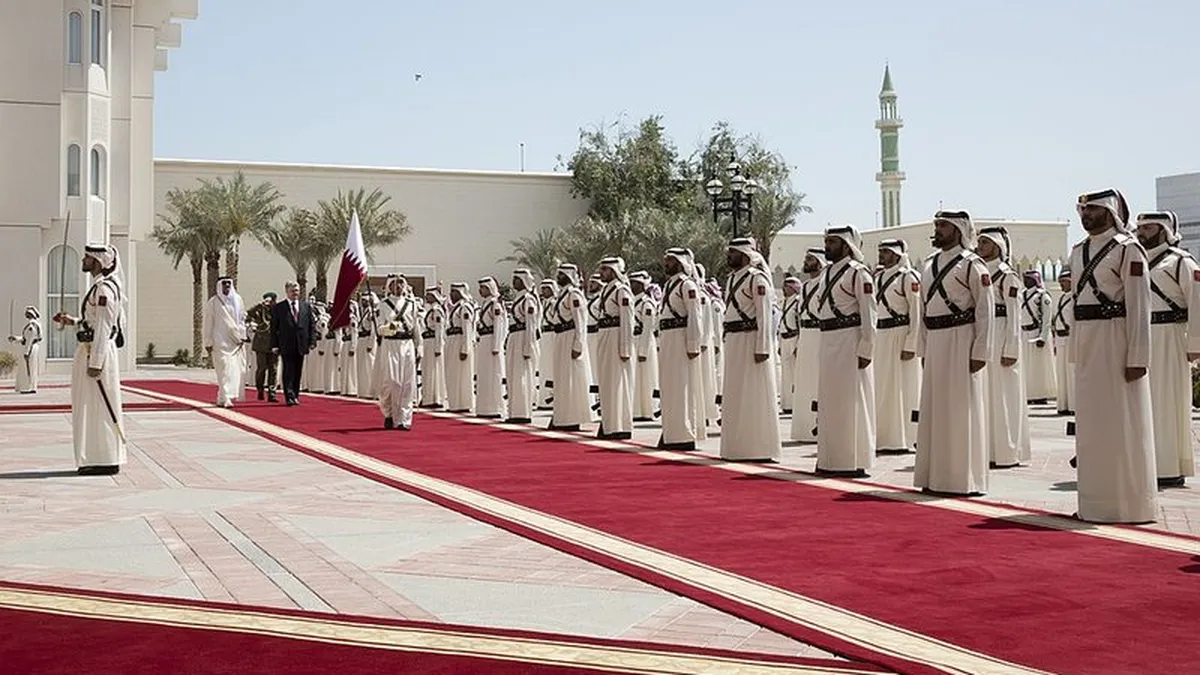
Qatar oil tanker strike signals Iran escalation risk
Iranian cruise missiles target Qatar energy infrastructure as regional tensions enter dangerous new phase
PARIS — Oil markets just witnessed something they haven't seen in decades: Iran directly targeting a Gulf ally's energy infrastructure in broad daylight.
What's happening
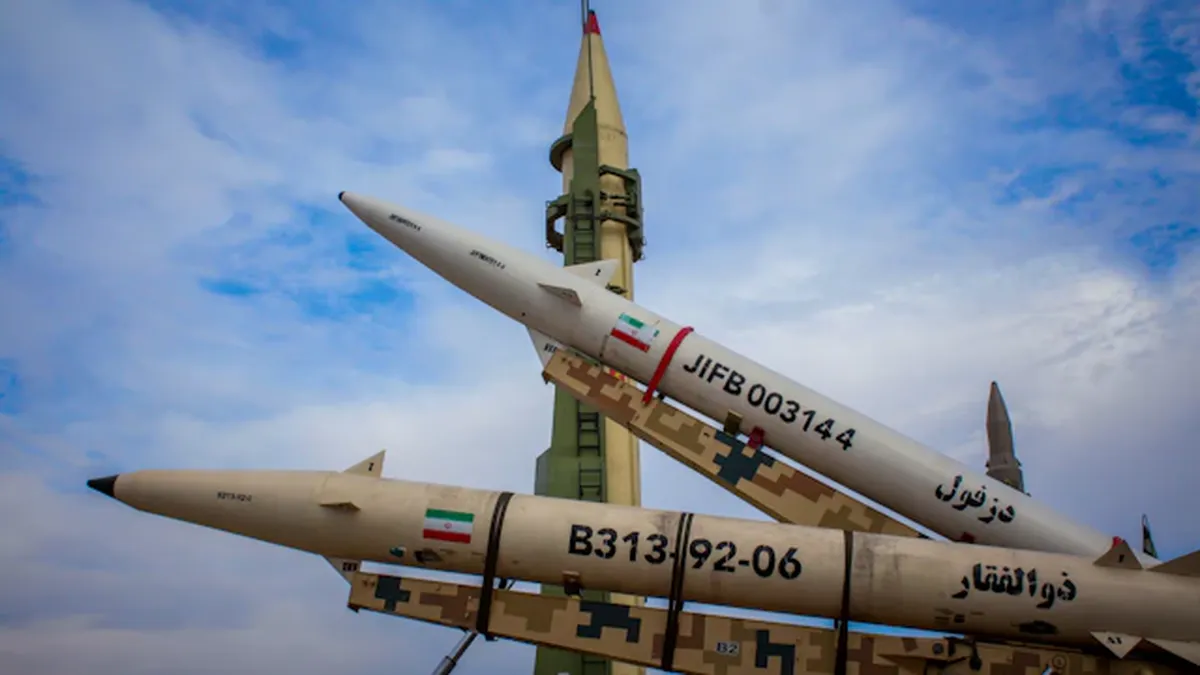
• Three Iranian cruise missiles launched at Qatar Wednesday
• One missile struck Qatar Energy oil tanker in economic waters
• Qatar intercepted two missiles, evacuated 21 crew members safely
Why it matters
• First direct Iranian attack on Qatar energy assets
• Tests Gulf defense coordination mechanisms
• Signals potential for wider regional energy disruption
⬇ Full breakdown below
This isn't about military posturing anymore. It's about Iran crossing red lines that have kept Gulf energy flows stable for years.
What Happened
The strike represents the first time Iran has directly targeted Qatari energy infrastructure, breaking with decades of careful regional balance. Qatar's defense ministry confirmed the attack occurred in the country's exclusive economic zone, where most offshore energy operations take place.
"This represents a fundamental shift in Iranian regional strategy," said Dr. Amira Hassan, director of Gulf security studies at the International Institute for Strategic Studies. "Iran is no longer limiting itself to proxy actions or indirect pressure."
But here's the catch: Qatar has maintained relatively neutral relations with Iran compared to other Gulf states.
Regional Implications
The timing couldn't be worse for energy markets already stretched by ongoing supply constraints. Qatar supplies roughly 20% of global liquefied natural gas exports, making any threat to its operations a systemic risk.
Markets aren't reacting. They're panicking.
Brent crude spiked 4% in early trading before settling at elevated levels as traders assessed the implications. More concerning for analysts is what this signals about Iranian risk calculations.
"Iran appears to be testing response mechanisms across the Gulf," explained former Pentagon Middle East advisor James Mitchell. "If Qatar — historically more accommodating to Iranian interests — becomes a target, no Gulf energy infrastructure is safe."
This is where it gets dangerous: Qatar hosts the largest U.S. military base in the region.
Defense Coordination
Qatar's successful interception of two missiles demonstrates the effectiveness of Gulf defense systems, but also highlights the escalating sophistication of Iranian cruise missile technology. The fact that one missile penetrated defenses will raise questions about regional preparedness.
Here's what most people are missing: This attack wasn't random. It targeted energy infrastructure specifically, suggesting Iran is expanding its pressure tactics beyond traditional rivals like Saudi Arabia and the UAE.
And this is what markets are really afraid of: If Iran is willing to strike Qatar's energy assets, the entire Gulf production network becomes vulnerable.
Economic Stakes
For energy consumers worldwide, this escalation carries immediate implications. Qatar's LNG exports feed Asian markets experiencing winter demand spikes, while its oil production contributes to already tight global supplies.
The real test hasn't even begun yet.
What Comes Next
The attack forces Gulf states to recalculate their security arrangements with Iran while managing economic relationships that have provided regional stability. Qatar's response — measured but firm — suggests efforts to avoid escalation while demonstrating defensive capabilities.
But Iran's willingness to directly target energy infrastructure marks a dangerous precedent that could reshape Gulf security dynamics for years.
Readers seeking context on Gulf security arrangements should examine the broader framework of regional defense cooperation agreements.

Discussion