Iran Tanker Strike Triggers Trump Nuclear Ultimatum
Oil markets shatter $118 as Tehran attacks Dubai shipping amid Strait of Hormuz crisis escalation
PARIS — Oil prices just broke $118 — and this time, it's not about the market. It's about a chokepoint that controls 21% of global petroleum liquids, and a president who just threatened to turn Iran's energy sector into rubble.
What's happening
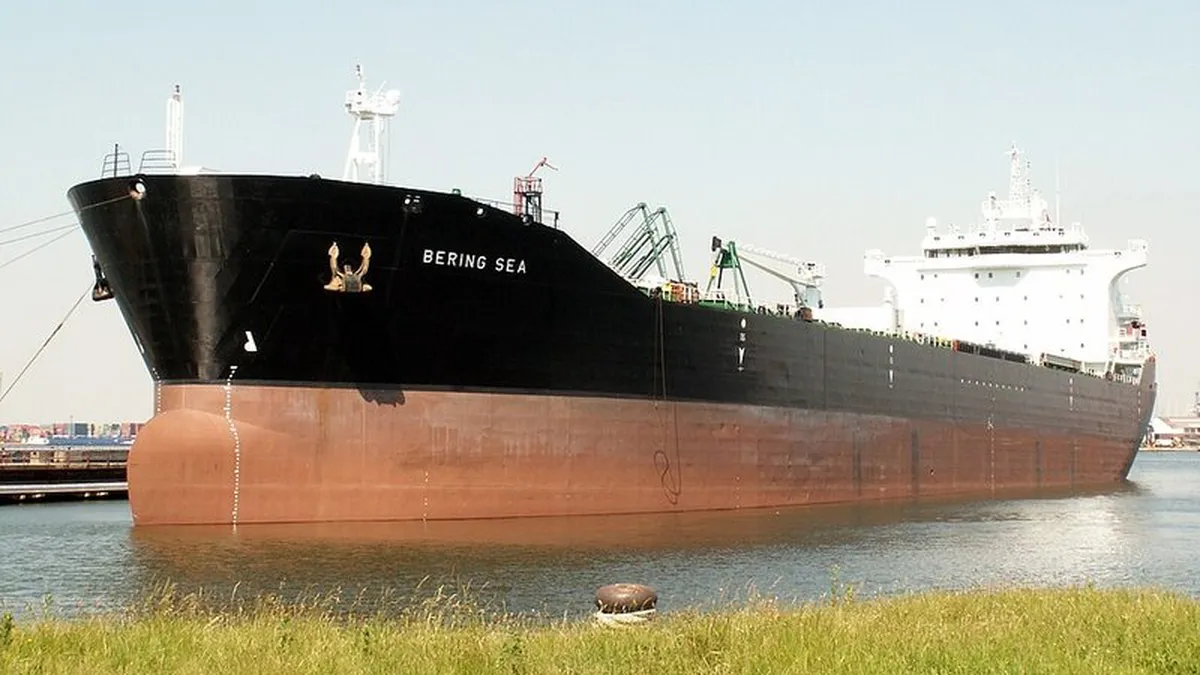
• Iranian missiles struck the Al-Salmi tanker carrying 2 million barrels off Dubai
• Trump issued ultimatum: open Hormuz or face 'obliteration' of energy plants
• Fourth major shipping attack since February's US-Israeli strikes on Iran
Why it matters
• Every $10 oil price jump adds $200 billion to global energy costs
• 40% of seaborne oil passes through this 21-mile strait
• Insurance rates for Gulf tankers have quadrupled in 30 days
⬇ Full breakdown below
What Happened
The Al-Salmi attack represents a fundamental shift in Iran's strategy. Unlike previous harassment campaigns, this was a direct missile strike on a fully loaded crude carrier in broad daylight, 12 miles from Dubai's coast. The tanker's cargo — worth roughly $160 million at current prices — is now burning in international shipping lanes.
"This isn't guerrilla warfare anymore," said Sarah Chen, maritime security analyst at Lloyd's of London. "Iran is declaring open war on Gulf commerce."
But here's the catch: Tehran isn't acting from strength. Intelligence sources suggest Iran's Revolutionary Guard is under immense pressure following last month's strikes on the Natanz and Parchin facilities, which destroyed an estimated 60% of the country's enrichment capacity.
The Hormuz Calculation
Here's what most people are missing: Iran doesn't need to close Hormuz to paralyze global oil markets. The mere threat of closure has already triggered the largest energy security crisis since 1979.
Insurance premiums for tankers transiting the Gulf have exploded from $50,000 to $200,000 per voyage. Major shipping companies — including Maersk and Mediterranean Shipping Company — have suspended operations indefinitely.
"We're seeing a de facto blockade without Iran firing another shot," explains Dr. James Khalil, energy security specialist at King's College London. "The economic impact is already devastating European consumers."
And this is where it gets dangerous: European diesel prices have surged 34% in five trading days, with gasoline following close behind. German industrial output faces immediate curtailment if current supply disruptions continue beyond April.
Trump's Nuclear Option
The president's "obliteration" threat carries unprecedented weight. Unlike previous administrations, Trump 2.0 has already demonstrated willingness to strike Iranian nuclear facilities directly. His February authorization of joint US-Israeli strikes marked the first direct military confrontation between Washington and Tehran since 1988.
But this ultimatum raises the stakes exponentially. Destroying Iran's oil infrastructure would remove 3.2 million barrels per day from global markets — roughly equivalent to losing all of Canada's production overnight.
Markets aren't reacting. They're panicking.
What Comes Next
The next 72 hours will determine whether this remains a regional crisis or becomes a global catastrophe. Iran faces an impossible choice: back down and lose face domestically, or escalate further and risk total economic annihilation.
Trump's deadline — implicit but clear from his rhetoric — appears to be this weekend. Pentagon sources confirm unusual military movements in the region, though specific deployments remain classified.
Here's what that actually means for you: if Iran doesn't blink, European fuel costs could double within weeks. Supply chain disruptions will cascade through every sector dependent on Gulf shipping — which is essentially everything.
The real question isn't whether Iran will reopen Hormuz. It's whether the global economy can survive this standoff long enough to find out. And if current market behavior is any indication, that timeline is measured in days, not months.



Discussion