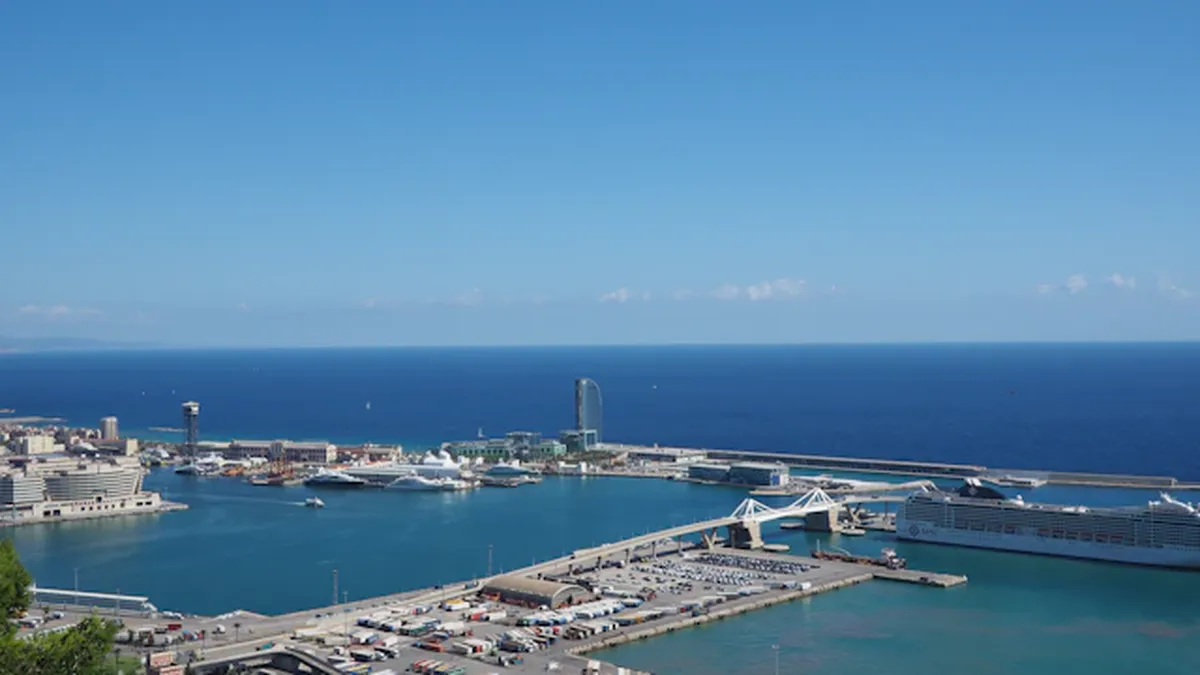
How Spain Is Affected By Iran Oil Crisis: Complete Guide
Spain's energy security, economic stability, and diplomatic relations face mounting pressure from Iran's oil supply disruptions.
Spain's relationship with Iranian oil represents a critical vulnerability in the country's energy security framework. Despite European Union sanctions and international pressure, Spain has historically maintained significant energy ties with Iran, making it one of the most exposed European nations to Iranian oil supply disruptions.
Spain's Energy Dependency on Iran
Spain imports approximately 1.2 million barrels per day of crude oil, with Iran traditionally supplying between 6-8% of these imports. This dependency stems from Spain's limited domestic energy production and its strategic position as a Mediterranean gateway for Middle Eastern oil. Spanish refineries, particularly the Repsol facilities in Cartagena and A Coruña, have been configured to process Iranian heavy crude, creating technical dependencies that cannot be easily replaced overnight.
The Algeciras and Huelva ports serve as primary entry points for Iranian oil tankers, with sophisticated storage and processing infrastructure built around Middle Eastern crude specifications. When Iranian supplies face disruption, Spanish energy companies must scramble to find alternative sources, often at premium prices that ultimately impact consumers.
Economic Ripple Effects Across Spanish Industry
Iran oil crisis impacts extend throughout Spain's industrial ecosystem. Manufacturing sectors, particularly petrochemicals, steel production, and transportation, face immediate cost pressures when Iranian crude becomes unavailable. "Spain's industrial competitiveness directly correlates with stable energy inputs," explains Dr. Miguel Fernández, energy economist at IE University Madrid. "Iranian oil disruptions force Spanish manufacturers to absorb higher costs or pass them to consumers, weakening export competitiveness."
The tourism sector, representing 12% of Spanish GDP, also suffers indirect impacts through higher transportation costs and increased operational expenses for hotels and airlines. Regional economies in Andalusia and Catalonia, home to major refineries and industrial clusters, experience disproportionate effects during Iranian oil supply interruptions.
Diplomatic Balancing Act and EU Relations
Spain faces delicate diplomatic challenges when Iranian oil crises intersect with European Union sanctions policies. Madrid must balance its energy security needs against solidarity with EU partners and compliance with international sanctions regimes. This tension became particularly acute during the 2018-2020 sanctions escalation, when Spain lobbied for energy exemptions while maintaining public support for diplomatic pressure on Tehran.
"Spanish diplomacy operates in a narrow corridor between energy pragmatism and alliance loyalty," notes Dr. Carmen Claudín from the Barcelona Centre for International Affairs. The Spanish Foreign Ministry has historically advocated for diplomatic engagement with Iran while supporting sanctions frameworks, reflecting the country's complex position as both an EU member and energy-dependent nation.
Alternative Energy Strategies and Diversification
Spanish energy policy has evolved toward greater supply diversification following repeated Iranian oil crises. The government has strengthened relationships with Algeria, Nigeria, and Saudi Arabia as alternative suppliers, while accelerating renewable energy investments. Spain's ambitious plan to achieve 74% renewable electricity generation by 2030 represents a long-term strategy to reduce Middle Eastern oil dependency.
State-owned energy company Repsol has invested heavily in refinery flexibility, enabling processing of various crude types beyond Iranian heavy oil. These technical modifications, costing over €2 billion since 2015, provide strategic resilience during Iranian supply disruptions.
What This Means Today
The Iran oil crisis continues shaping Spanish energy policy and economic planning in 2026. Current geopolitical tensions maintain upward pressure on oil prices, forcing Spanish consumers to pay premium costs for gasoline, heating, and industrial energy. Spain's commitment to energy diversification and renewable transition reflects lessons learned from repeated Iranian supply disruptions, while ongoing diplomatic efforts seek to balance national energy security with international obligations. The crisis demonstrates how regional conflicts can cascade through global energy markets, impacting European nations far from Middle Eastern flashpoints.


Discussion