Houthis Iran Military Relationship Explained: Complete Guide
How Iran transformed Yemen's Houthi rebels from local militia into regional proxy force through weapons, training, and funding.
The military relationship between Iran and Yemen's Houthi rebels has evolved from opportunistic cooperation into a strategic partnership that fundamentally altered the balance of power in the Arabian Peninsula. What began as limited Iranian support for a marginalized Shia minority has transformed into a comprehensive military alliance that enables Iran to project power across the Red Sea while providing the Houthis with capabilities far beyond their original guerrilla warfare roots.
Historical Origins of the Alliance
The Iran-Houthis relationship predates the current conflict, with roots stretching back to the early 2000s when Iran began cultivating ties with various regional groups. However, the partnership intensified dramatically following the 2011 Arab Spring and the subsequent political upheaval in Yemen. When the Houthis launched their military campaign in 2014, eventually capturing the capital Sanaa, Iran recognized an opportunity to establish a strategic foothold on Saudi Arabia's southern border.
The relationship deepened further after the Saudi-led coalition intervened in Yemen in March 2015. Dr. Michael Knights, a senior fellow at The Washington Institute, explains: "Iran's initial support was relatively modest, but the Saudi intervention created both the necessity and opportunity for Iran to dramatically expand its assistance to the Houthis." This intervention transformed what had been a limited proxy relationship into a full-scale military partnership.
Nature of Iranian Military Support
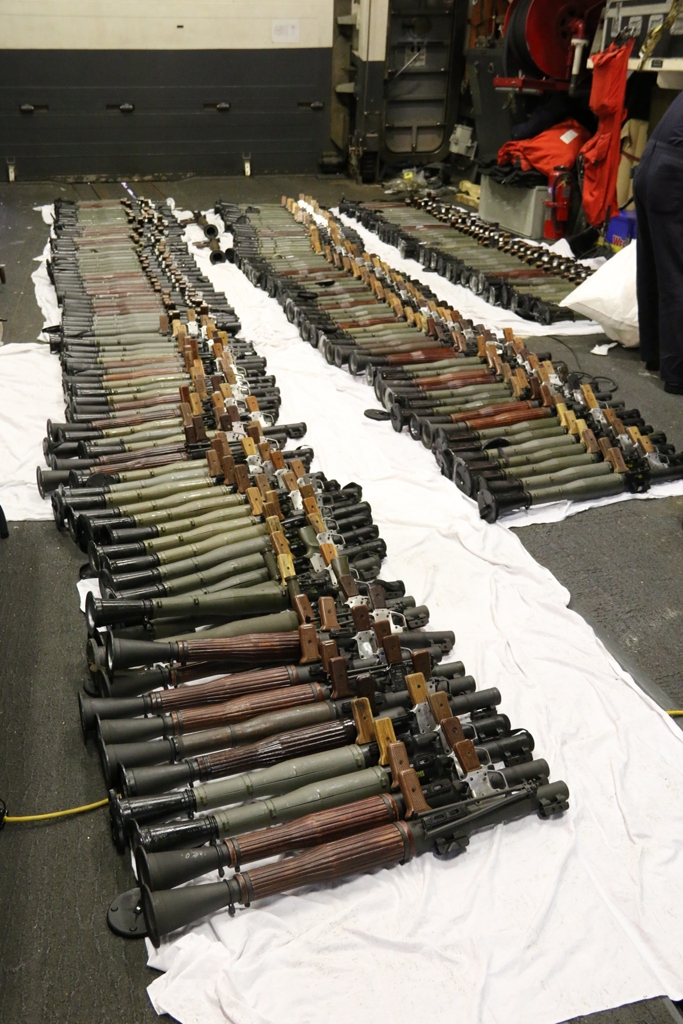
Iran's military assistance to the Houthis operates through multiple channels, despite a UN arms embargo imposed in 2015. The Islamic Revolutionary Guard Corps (IRGC) coordinates this support through a network that includes Lebanese Hezbollah advisers and smuggling routes through Oman, Somalia, and directly across the Red Sea. Intelligence reports consistently document shipments of small arms, rocket-propelled grenades, anti-tank missiles, and increasingly sophisticated weaponry.
The most significant aspect of Iranian support involves missile and drone technology. The Houthis have demonstrated capabilities with Burkan ballistic missiles, Qasef drones, and naval mines that mirror Iranian designs. According to UN investigators, many of these weapons systems show clear evidence of Iranian manufacturing or technological transfer. The Houthis' ability to strike targets deep inside Saudi Arabia and threaten international shipping lanes reflects this technological assistance.
Amanda Kadlec, a former Pentagon analyst specializing in Iranian proxy networks, notes: "Iran doesn't just provide weapons; they provide training, maintenance capabilities, and operational planning support. This creates a force multiplication effect that transforms the Houthis' military effectiveness."
Strategic Benefits for Both Parties
For Iran, the Houthis represent a cost-effective means of pressuring Saudi Arabia and projecting power beyond its borders. The partnership allows Iran to tie down Saudi military resources in Yemen while positioning Iranian-aligned forces near the Bab el-Mandeb strait, through which roughly 10% of global maritime trade passes. This strategic positioning provides Iran with leverage in broader regional negotiations and the ability to threaten critical shipping lanes during periods of escalation.
The Houthis benefit from Iranian support that has enabled their survival against a technologically superior coalition. Beyond weapons transfers, Iran provides intelligence sharing, tactical advice, and financial support estimated at hundreds of millions of dollars annually. This assistance has allowed the Houthis to evolve from a tribal militia into an organized military force capable of governing territory and conducting complex operations.
What This Means Today
The Iran-Houthis military relationship continues to evolve and intensify, presenting ongoing challenges for regional stability and international security. Recent Houthi attacks on commercial shipping in the Red Sea demonstrate how this partnership can disrupt global commerce and draw international military intervention. As diplomatic efforts to resolve the Yemen conflict continue, the depth of the Iran-Houthis military relationship remains a critical factor that complicates peace negotiations and regional de-escalation efforts. The partnership has effectively created a permanent Iranian military presence on the Arabian Peninsula, fundamentally altering the regional security architecture in ways that will persist regardless of how the Yemen conflict ultimately resolves.


Discussion