Lebanon Displacement Crisis Sparks Regional Security Alert
Mass population movements from Israeli strikes threaten to destabilize Middle East power balance
TEL AVIV — The numbers are staggering, but they don't tell the real story.
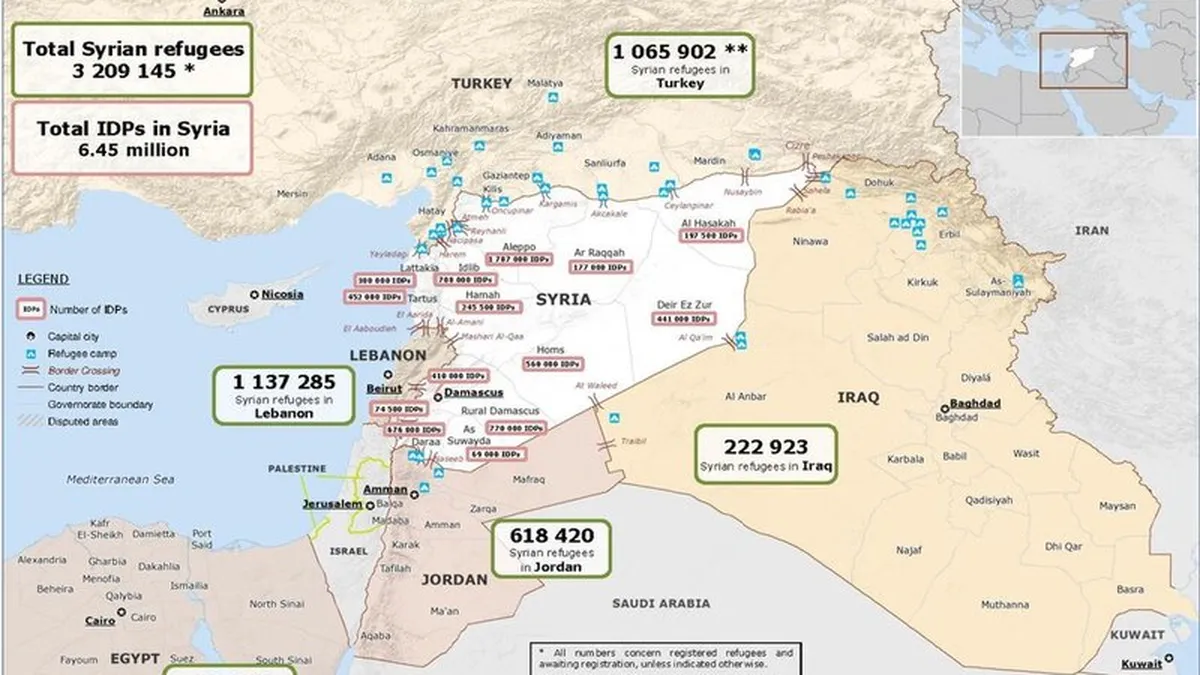
More than one million Lebanese — nearly a quarter of the country's population — have abandoned their homes as Israeli strikes intensify across the region. But this mass displacement isn't just overwhelming Lebanon's already fractured infrastructure.
It's creating a domino effect that threatens to drag Syria, Jordan, and potentially Turkey into a conflict they've desperately tried to avoid.
What's happening
• Over 1 million Lebanese civilians displaced in three weeks
• Border crossings into Syria reporting 40% capacity overflow
• UN agencies declaring emergency resource shortages
Why it matters
• Regional governments face domestic pressure as refugees strain resources
• Syria's fragile economy cannot absorb another displacement wave
• Turkey threatens to close borders if numbers exceed 200,000
⬇ Full breakdown below
The Strategic Calculation
Israel's military planners know exactly what they're doing. The displacement isn't collateral damage — it's strategic pressure designed to force Hezbollah's hand.
"We're seeing a deliberate attempt to create facts on the ground," says Dr. Rami Khouri, senior fellow at the American University of Beirut. "The displacement serves multiple strategic objectives simultaneously."
But here's the catch: the strategy might be working too well.
Regional Breaking Points
Syria absorbed 1.5 million refugees during its civil war. The country's infrastructure never recovered. Now, with Lebanese families crossing at Masnaa and other border points at unprecedented rates, Damascus faces an impossible choice.
Accept the refugees and risk economic collapse. Close the borders and face international condemnation while families remain trapped in active combat zones.
Jordan's King Abdullah has already signaled his government won't repeat the Syrian refugee experience. "We cannot be the region's safety valve again," he told European Union officials in closed-door meetings last week.
This is where it gets dangerous:
The Hezbollah Response
Hezbollah's leadership faces its own strategic dilemma. The group's support base — concentrated in southern Lebanon and the Bekaa Valley — is being systematically displaced.
"Hassan Nasrallah is watching his human shield disappear," explains Colonel (ret.) Jonathan Spyer, director of the Middle East Center for Reporting and Analysis. "Without civilian cover, Hezbollah's military infrastructure becomes exponentially more vulnerable."
The organization has three options: escalate dramatically, negotiate from weakness, or watch its territorial control evaporate.
None of these outcomes favor regional stability.
Economic Ripple Effects
Lebanese displacement is already impacting energy markets. The country's ports handle significant regional trade flows, and with Beirut's capacity reduced by 60%, shipping costs across the Eastern Mediterranean are spiking.
Oil futures jumped 3.2% Tuesday as traders priced in potential supply disruptions if the crisis spreads to Syrian transit routes.
Here's what happens next — and it's not pretty:
The Winter Factor
Displacement crises that begin in spring can be managed. Those that persist into winter become humanitarian catastrophes.
With Lebanon's economy already in freefall — the lira has lost 90% of its value since 2019 — the country lacks resources to house and feed displaced populations through cold months.
International aid organizations are projecting funding shortfalls of $2.3 billion if displacement numbers remain at current levels through December.
And this is only part of the story:
The real test comes when displaced families start making permanent settlement decisions. Temporary displacement becomes permanent migration. Villages empty permanently. Demographics shift irreversibly.
For context on Lebanon's previous displacement cycles and their long-term regional impacts, readers should examine the 2006 war's lasting demographic changes.

Discussion