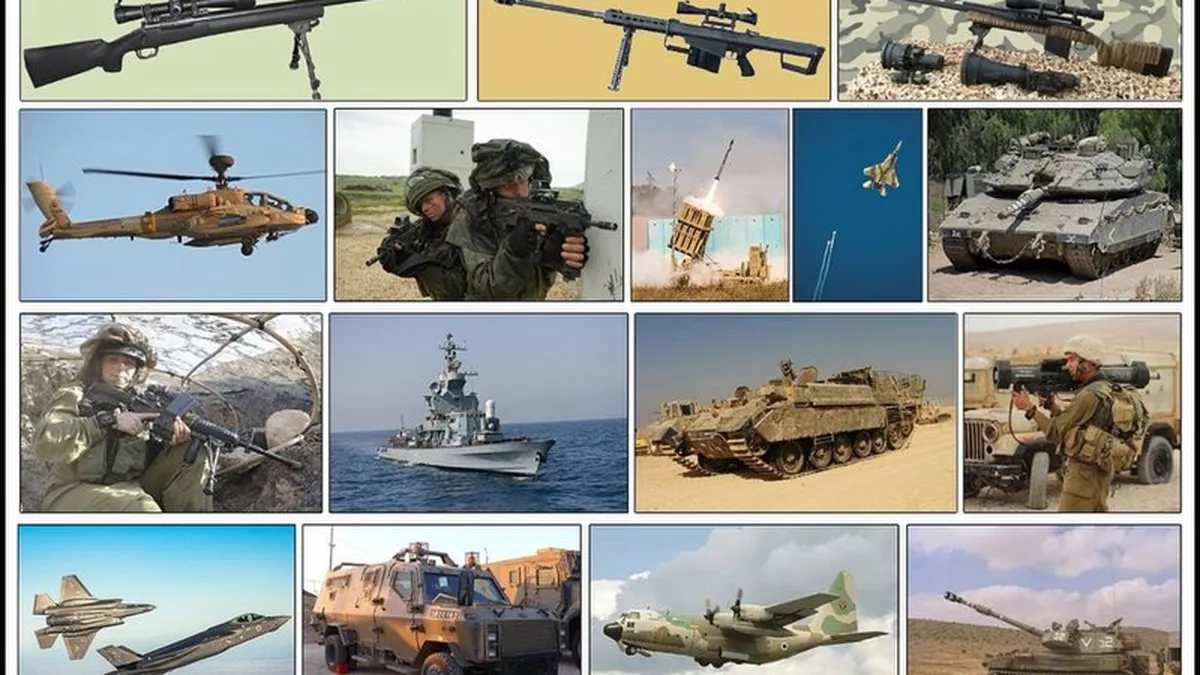
Israel warns of endless conflict as regional power shifts
Foreign minister's blunt admission signals fundamental change in Middle East security strategy
NEW YORK — Israel just abandoned the fiction of lasting peace in the Middle East. Foreign Minister Gideon Saar's blunt declaration that his country cannot promise "the last war" represents more than diplomatic honesty — it's a fundamental rewiring of regional security doctrine.
What's happening
• Israel publicly abandons peace-seeking rhetoric
• Foreign minister warns of perpetual military vigilance
• Strategic shift from conflict resolution to permanent readiness
Why it matters
• Signals end of traditional peace process frameworks
• Regional arms races will intensify
• International mediation efforts face fundamental challenge
⬇ Full breakdown below
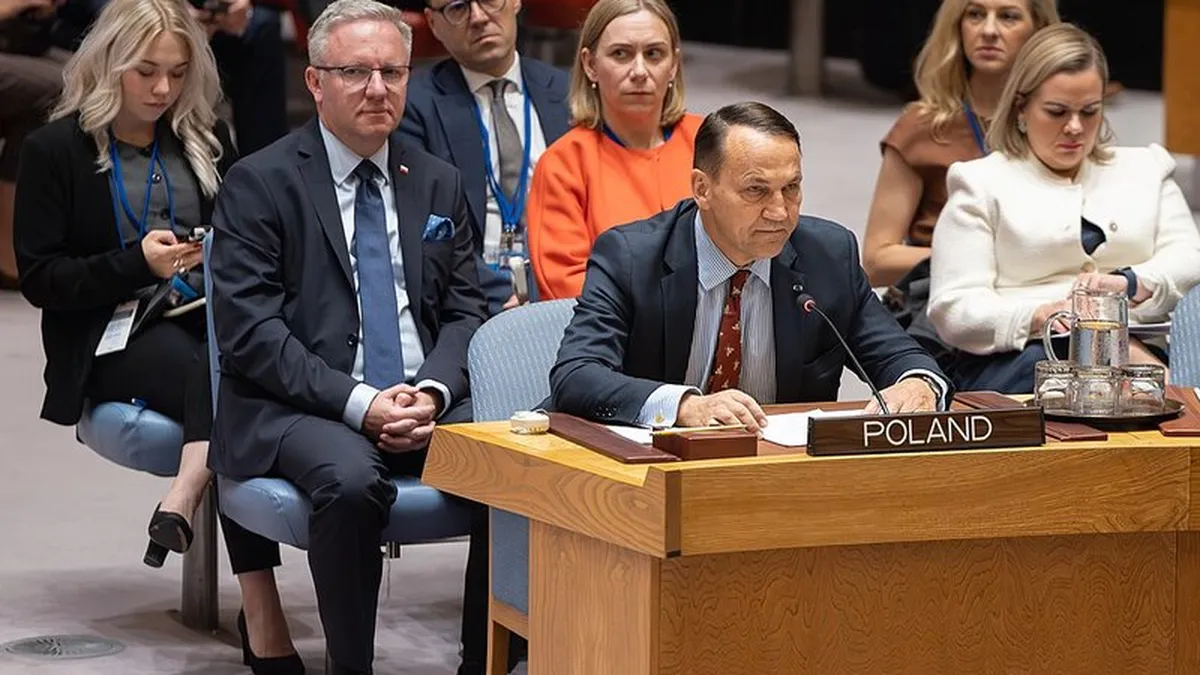
Saar's comments at the UN Security Council weren't off-the-cuff remarks. They represent calculated messaging designed to reset expectations about Israel's regional role. The foreign minister explicitly stated that while enemies "do not pose an existential threat," Israel must "remain vigilant against our enemies' plots."
This is where it shifts: Israel is moving from reactive defense to proactive indefinite engagement.
Background
The admission comes as regional power balances undergo seismic shifts. Iran's nuclear program continues advancing despite sanctions, while proxy networks across Lebanon, Syria, and Gaza maintain operational capacity. Traditional peace frameworks — from Oslo to Abraham Accords — presumed eventual conflict resolution through negotiation.
Saar's statement effectively declares those frameworks obsolete. "We're witnessing the institutionalization of permanent conflict as state policy," explains Dr. Sarah Mitchell, Middle East analyst at the International Crisis Group. "This isn't about defeating enemies — it's about managing them indefinitely."
Here's what most people are missing: This strategy shift affects global energy markets, regional investment flows, and international diplomatic architecture.
What This Changes
The economic implications cascade immediately. Defense spending becomes permanent infrastructure investment rather than crisis response. Regional trade patterns solidify around security considerations rather than economic efficiency.
For you as an energy consumer, this means sustained risk premiums on oil prices. Regional instability becomes a pricing constant, not a temporary shock.
"Traditional conflict economics assumed wars ended," notes Professor James Crawford from Oxford's Centre for International Studies. "Israel is essentially announcing a shift to wartime economy as normal state — that changes everything about regional development."
But this is only part of the story: Other regional powers must now recalibrate their own strategic planning.
Regional Implications
Saudi Arabia and UAE face immediate pressure to accelerate defense modernization. Their normalization agreements with Israel assumed eventual regional stabilization. Saar's admission forces recognition that security cooperation becomes permanent necessity, not temporary arrangement.
Turkey and Egypt must reassess their regional positioning. Neither can afford prolonged instability on their borders, yet both lack capacity to impose stability unilaterally.
And this is where it gets dangerous: Iran gains strategic validation for its own permanent conflict doctrine.
Tehran has long argued that regional competition is existential and indefinite. Israel's public acknowledgment of this reality strengthens Iranian arguments for continued proxy development and nuclear advancement.
What Comes Next
International mediation efforts face fundamental crisis. Peace processes require belief in achievable endpoints. If major regional powers adopt permanent conflict as doctrine, traditional diplomacy becomes obsolete.
The Trump administration's regional policies assumed manageable tensions leading to eventual stability. European energy security planning presumed decreasing Middle East volatility over time.
Both assumptions now require complete revision.
Here's what happens next — and it's not pretty: Arms races accelerate as permanent readiness becomes regional norm. Defense spending crowds out development investment. Demographics and climate pressures interact with security competition to create cascading instability.
The real test hasn't even begun yet. Regional powers must now demonstrate they can maintain indefinite military readiness without economic collapse or social breakdown. History suggests this balance proves extremely difficult to sustain.
Readers seeking deeper context should examine how permanent conflict doctrine shaped Cold War superpower competition and its ultimate resolution through economic exhaustion.



Discussion