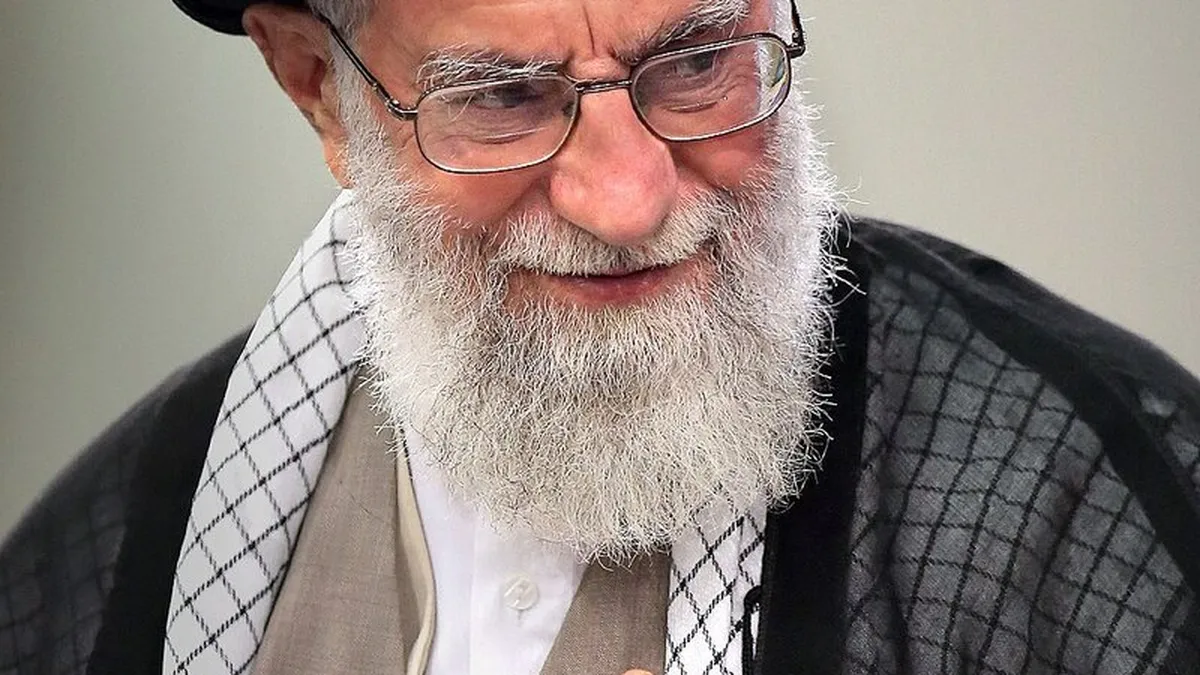
Iran's Leaders Walk Tehran Streets as Killing Spree Rages
After weeks of targeted assassinations, Tehran's power brokers risk exposure to project control — a gamble that reveals weakness
TEHRAN — Iran's President Masoud Pezeshkian walked openly through central Tehran Tuesday, shaking hands and posing for photographs with supporters. For any leader, it's routine politics. For Iran's president right now, it's a death wish.
What's happening
• Iranian leaders making unprecedented street appearances
• Month-long assassination campaign targeting regime figures
• Public displays designed to project control and resilience
Why it matters
• Reveals deep regime anxiety about authority
• Exposes leadership to extreme personal risk
• Tests Iranian public support during crisis
⬇ Full breakdown below
The New Reality of Iranian Leadership
For more than a month, Iran's power structure has been under siege. Targeted assassinations have created a climate where senior officials typically remain behind closed doors, protected by layers of security. State television footage showing both President Pezeshkian and his foreign minister mixing with crowds represents a dramatic departure from standard protocol.
Here's what most people are missing: This isn't confidence. It's calculated desperation.
"The optics matter more than the security risk right now," said one Tehran-based analyst familiar with regime thinking. "They need to show they're still in control, even if it means exposing themselves to danger."
What Changed the Calculation
The Islamic Republic has faced external pressure before, but the current campaign appears different in scope and precision. Unlike previous conflicts focused on military targets or nuclear facilities, this wave specifically targets leadership figures — creating psychological pressure at the highest levels.
This is where it gets dangerous: Public appearances traditionally serve as strength demonstrations. In Iran's current context, they function more as vulnerability exhibitions.
Regional intelligence sources suggest the decision to increase public visibility came directly from Supreme Leader Ali Khamenei, who views the street appearances as necessary to counter narratives about regime weakness. "The calculation is that showing fear publicly would be worse than the physical risk," one source explained.
The Crowd Dynamic
The gatherings themselves reveal important details about Iran's domestic situation. State media described "several hundred" supporters — modest numbers for a capital of nine million. More telling is the spontaneous nature claimed by officials versus the obvious coordination visible in footage.
And this is where it shifts: Genuine popular support requires no orchestration. Manufactured displays require careful management.
Analysts note the supporters appeared predominantly older, suggesting the regime's traditional base rather than broader popular enthusiasm. For a government claiming revolutionary legitimacy, the demographics matter.
Regional Implications
Iran's public relations offensive extends beyond domestic audiences. Regional allies watch closely for signs of Iranian resilience or weakness, with implications for proxy relationships across the Middle East. The street appearances send specific messages to Hamas, Hezbollah, and Houthi partners about Iranian resolve.
But here's the catch: appearing in public also signals vulnerability to enemies planning next moves.
U.S. intelligence assessments, according to sources familiar with classified briefings, view the public appearances as indicators of internal pressure rather than strength. "Confident leaders don't need to prove they're unafraid," noted one Washington-based Iran specialist.
What Comes Next
The sustainability of this strategy remains questionable. Each public appearance raises stakes, creating expectations for continued visibility while increasing security risks. Iranian leadership faces a paradox: stopping the appearances suggests fear, continuing them invites catastrophe.
Markets watch Iranian leadership stability as a key indicator for oil price volatility and regional conflict escalation. Any successful attack on senior officials during these public displays would trigger immediate consequences for energy markets and broader Middle East stability.
Here's what happens next — and it's not pretty: Either Iran's leaders prove their calculation correct and demonstrate genuine control, or the strategy backfires spectacularly.
The real test hasn't even begun yet.
Discussion